





More Than Just a Move
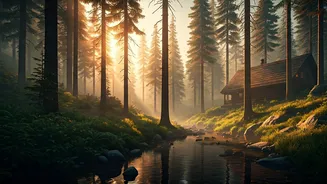
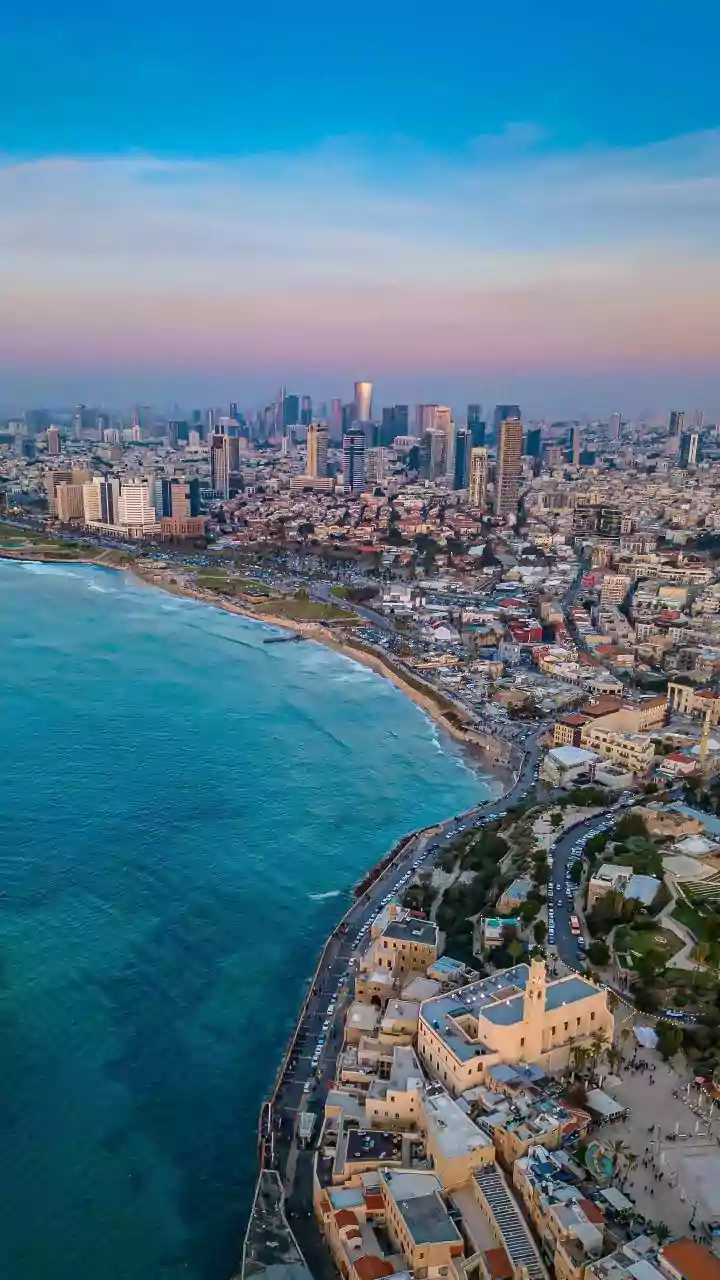
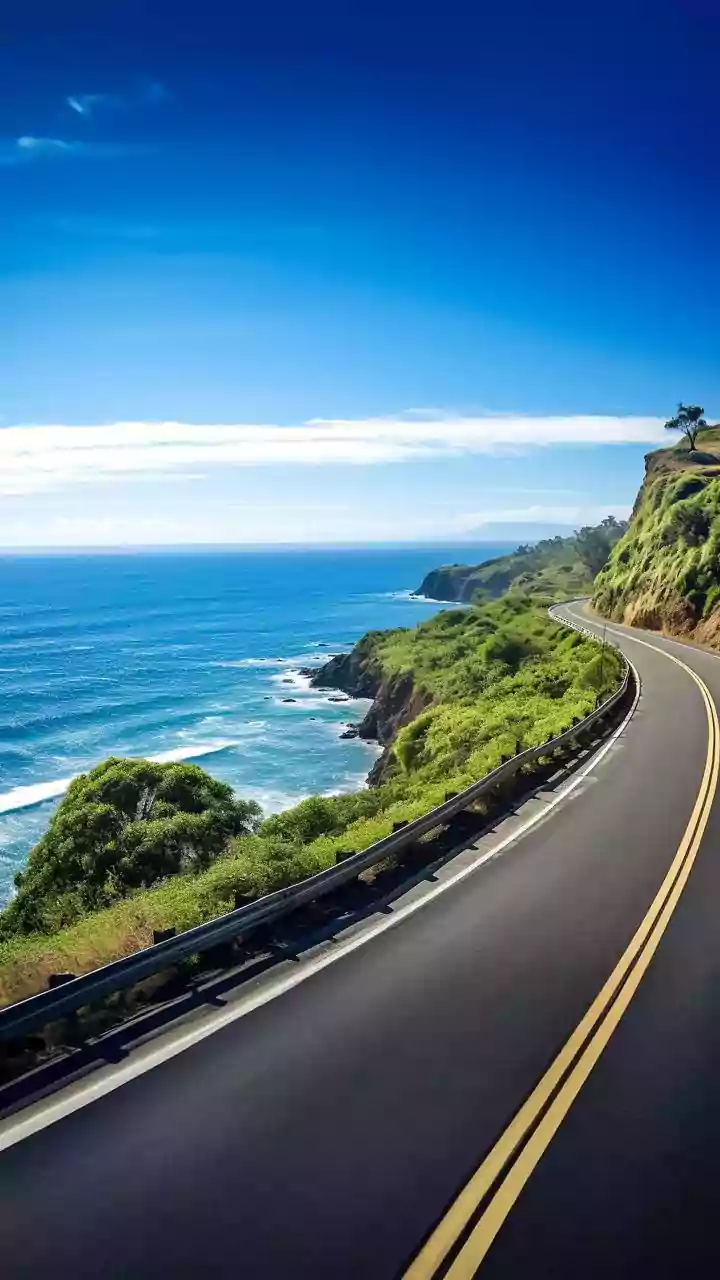
Dubbed the “Great Forest Escape,” this phenomenon is less an organized movement and more a collective cultural drift. It represents a deliberate turning away from the high-cost, high-stress hustle of urban and suburban centers toward a life perceived
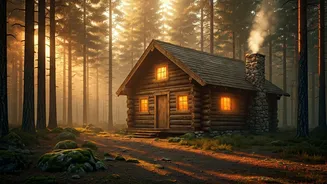
as slower, more authentic, and deeply connected to the natural world. While Americans have always romanticized the rustic ideal, today’s escape is different. It’s not about ruggedly surviving off-grid; it’s about intentionally living *within* nature, often aided by the very technology—remote work infrastructure—that many are trying to escape.
The Post-Pandemic Catalyst
The seeds of this trend were planted long before 2020, but the pandemic acted as a massive accelerator. Widespread adoption of remote work untethered millions of knowledge workers from their physical offices, turning a daydream into a logistical possibility. For the first time, a well-paying job didn’t have to mean a zip code in a major metropolitan area. This newfound freedom coincided with a period of intense reflection. Confined to their homes, many people began to question the trade-offs they’d been making. Was a cramped apartment and a brutal commute really worth the proximity to an office they no longer needed to visit?
Driven by Digital Burnout
The Forest Escape is also a direct response to digital exhaustion. We live in an 'attention economy' that constantly vies for our focus, leaving many feeling depleted and disconnected from the physical world. The forest offers a powerful antidote. The concept of 'biophilia,' or our innate human tendency to connect with nature, has gained significant traction. Scientific studies increasingly support what we intuitively feel: time spent in natural environments can reduce stress, improve cognitive function, and boost overall well-being. 'Forest bathing' (Shinrin-yoku), a Japanese practice of simply being in and connecting with the atmosphere of the forest, has moved from a niche wellness activity to a mainstream prescription for modern anxieties.
The Reality Beneath the Canopy
Of course, the Instagram-filtered fantasy of a cozy cabin with perfect Wi-Fi doesn't always match the reality. The challenges of the Great Forest Escape are significant. Rural and remote areas often suffer from a lack of reliable, high-speed internet, which is the very tool that makes this lifestyle possible for many. Social isolation can be profound, especially for those accustomed to the vibrant, anonymous energy of a city. Access to amenities—from diverse restaurants and cultural venues to specialized healthcare—is limited. Furthermore, the influx of affluent urbanites can drive up housing costs, sometimes straining the resources and social fabric of small, long-established communities. The romantic vision of a simple life can quickly be complicated by the practicalities of septic tanks, well water, and the sheer distance to the nearest grocery store.