
The End of the Monolith Menu
For decades, American restaurant-goers understood ethnic food through broad, simplified categories. "Chinese" meant sweet-and-sour pork and fortune cookies. "Mexican" involved crispy tacos and combo platters smothered in cheese. "Italian" was synonymous
with spaghetti and meatballs. While delicious in their own right, these menus were often monoliths—one-size-fits-all representations of vast and incredibly diverse culinary landscapes. They were designed for accessibility, smoothing over the sharp, unique, and sometimes challenging flavors of specific regions to appeal to the broadest possible American palate. But that landscape is changing, and fast. The restaurants that once felt compelled to offer a greatest-hits album of a country’s cuisine are now finding success by releasing the deep cuts.
Authenticity as a Business Strategy
So, what's fueling this delicious revolution? It’s a perfect storm of cultural and economic factors. First, diners are more educated and adventurous than ever. Thanks to travel, a food television, and social media, the average person is more likely to know that the food in Oaxaca is profoundly different from the food in Baja California. Curiosity has replaced caution. Second, there's a powerful story of cultural pride. Immigrant chefs and their first-generation children are increasingly unwilling to water down their heritage. Instead of cooking what they think Americans *want* them to cook, they are cooking the food of their specific hometowns, grandmothers, and childhoods. This shift turns a meal into a story, and authenticity becomes the main ingredient. It’s also a brilliant business move in a crowded market. You can find a generic taqueria on any corner, but a restaurant specializing in the slow-roasted cochinita pibil of the Yucatán? That’s a destination.
From Hyper-Local to National Stage
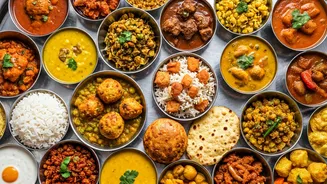
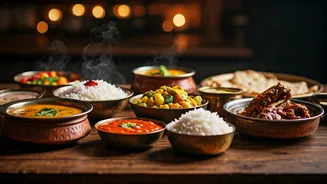
This trend is visible across the country. Instead of just “Indian,” you now find restaurants celebrating the coconut-rich vegetarian fare of Kerala or the distinct street food of Mumbai. The monolithic “Chinese food” umbrella is fracturing to reveal the fiery, numbing power of Sichuan cuisine, the delicate dim sum of Guangdong, and the hearty noodle dishes of Shanxi. In Italian cooking, the focus is shifting from a generic red-sauce identity to the seafood-centric dishes of the Amalfi Coast, the earthy risottos of Piedmont, or the rustic simplicity of Apulian “cucina povera.” These restaurants aren’t just serving food; they’re acting as culinary ambassadors. They teach diners that a country’s cuisine isn’t one single thing, but a vibrant collection of hyper-local traditions, ingredients, and techniques, each with its own history and identity.
Why This Is a Win for Everyone
This embrace of regional specificity is more than just a foodie trend; it represents a maturation of the American dining scene. For chefs, it’s a liberating act of creative and cultural expression. They can finally cook with integrity, sharing the flavors that mean the most to them without fear of alienating customers. For diners, it’s a passport to a world of flavor without leaving town. It makes eating out more exciting, educational, and ultimately, more delicious. It encourages us to look beyond what’s familiar and ask better questions: not just “Is it good?” but “Where is it from? What’s the story?” This shift ensures the restaurant landscape remains dynamic and diverse, pushing back against the homogenization that can make every city’s food scene feel the same.