








Rajasthan’s Lone Hill Station
In a state defined by the sprawling Thar Desert, Mount Abu is a geographical anomaly. It’s the only hill station in Rajasthan, a lush plateau nestled in the Aravalli Range, soaring to an elevation of over 4,000 feet. This altitude is its secret sauce.
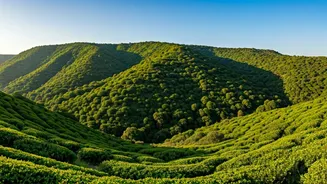
While cities like Jaipur and Jodhpur swelter in temperatures that can climb past 110°F (43°C) during the notorious pre-monsoon heatwaves, Mount Abu maintains a climate that is blissfully mild, often a full 20-30 degrees cooler. The drive up is a revelation in itself; the arid, sandy landscape gradually gives way to dense forests of pine, eucalyptus, and bamboo. The air thins, cools, and suddenly, the idea of needing a light jacket in Rajasthan doesn't seem so absurd.
A Sanctuary of Spirit and Stone
Mount Abu’s appeal isn't just climatic; it’s deeply spiritual. The town is a major pilgrimage site, most famously for the Dilwara Temples. Built between the 11th and 13th centuries, these Jain temples are an exercise in breathtaking artistry. From the outside, they appear deceptively simple, but stepping inside reveals a world of impossibly intricate marble carvings. Every ceiling, pillar, and doorway is adorned with detailed figures of deities, dancers, and lotus flowers, so finely worked that the stone appears almost translucent. The craftsmanship is considered unparalleled in India, creating a serene and awe-inspiring atmosphere that quiets the mind and soul. It's a place where the cool stone underfoot feels as restorative as the mountain air.
The Heart of the Mountain: Nakki Lake
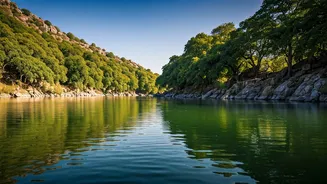
At the center of Mount Abu lies Nakki Lake, a man-made body of water with a mythical backstory. Legend says it was dug by the gods using their fingernails (or “nakh”), hence the name. Today, it’s the town’s social and recreational heart. Colorful paddle boats dot the water, surrounded by hills, hotels, and bustling market stalls. A walk around the lake’s perimeter is a quintessential Mount Abu experience, especially in the late afternoon as the sun begins to dip. You’ll pass by Toad Rock—a massive stone formation that looks uncannily like a toad about to leap into the water—and find countless spots to simply sit and watch the world go by. It’s a peaceful counterpoint to the grand spiritual sites, offering simple, unhurried pleasure.
From Royal Retreat to Modern Escape
This tradition of escaping the heat is nothing new. Long before modern tourists arrived, Mount Abu served as the summer capital for the Rajputana Agency, allowing British officials and local maharajas to flee the oppressive heat of the plains. They built stately summer homes, palaces, and lodges, establishing the town’s identity as a cool haven. Many of these colonial-era and royal buildings have been converted into heritage hotels, allowing visitors to experience a slice of that history. This legacy underpins the entire town's vibe: it’s a place built for leisure, relaxation, and recuperation. It’s not a stop on a whirlwind tour; it’s a destination designed to make you slow down, breathe deeply, and cool off.