

The Unkillable ZZ Plant
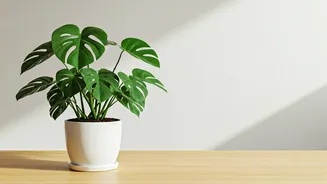
The Zamioculcas zamiifolia, or ZZ plant, is the undisputed champion of hands-off plant care. Its resilience extends directly to pest resistance. The ZZ’s thick, waxy, rubber-like leaves are not just for storing water—they form a tough, unappealing barrier
for common piercing and sucking pests like aphids and spider mites. These insects struggle to penetrate the leaves, so they simply move on to find an easier meal. Furthermore, the ZZ plant thrives on neglect and low light, conditions that often deter the proliferation of pests that favor more humid, high-maintenance environments. If you want a plant that looks like a piece of modern sculpture and asks for almost nothing in return, the ZZ is your starting point.
The Indestructible Snake Plant
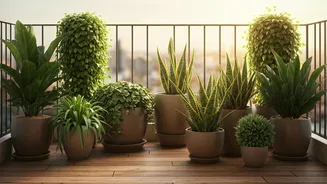
Sansevieria, affectionately known as the snake plant or mother-in-law's tongue, is a classic for a reason. Its tough, fibrous, sword-like leaves are its primary defense mechanism. Not only are they structurally difficult for pests to chew through, but the plant also contains natural chemical compounds called saponins, which are toxic if ingested by many insects (and pets, so be mindful of placement). This combination of physical armor and chemical warfare makes the snake plant a fortress. They are rarely troubled by mealybugs, spider mites, or scale. Add in their tolerance for low light and infrequent watering, and you have a nearly bulletproof companion for any room in your home.
The Hardy Cast Iron Plant
Its name says it all. The Aspidistra elatior, or cast iron plant, earned its moniker for its ability to withstand conditions that would kill most other houseplants: deep shade, inconsistent watering, and temperature fluctuations. This inherent toughness is also its secret weapon against pests. Its dark green, leathery leaves are simply too rugged for most common houseplant pests to bother with. While not completely immune—a very stressed and neglected plant can occasionally fall prey to scale—a healthy cast iron plant is one of the most pest-free options available. It provides a lush, deep green backdrop without demanding constant vigilance, making it perfect for filling a dim corner with life.
The Waxy and Wonderful Hoya
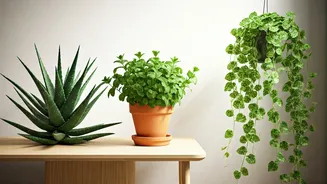
Often called wax plants, Hoyas are a fantastic choice for those who want a bit more flair without the fuss. Their defining feature is their thick, succulent-like leaves that are—you guessed it—waxy. This texture makes them less appetizing and harder for pests to latch onto. While they are known for their stunning, fragrant blooms, it’s their foliage that provides the primary defense. Hoyas are most susceptible to mealybugs if they are overwatered or stressed, but a healthy plant in a well-draining soil mix is remarkably trouble-free. They offer the beauty of a trailing or climbing vine with the pest-resistant qualities of their tougher counterparts.
The Resilient Pothos
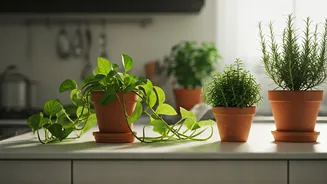
While Pothos (Epipremnum aureum) isn't as completely bomb-proof as a snake plant, it makes this list for its sheer resilience and vigor. Pothos grow so quickly and robustly that they can often out-grow minor pest issues before they become full-blown infestations. A few pests can be simply snipped off with a trim of a vine, and the plant will quickly replace the lost foliage. Their smooth leaves don't offer many hiding places, and they are not a top target for pests like spider mites, which prefer other plant families. For beginners, the ability to simply trim away a problem area without harming the plant’s overall health is a massive confidence booster.