






Meet “Swicy”: The Flavor You Already Know
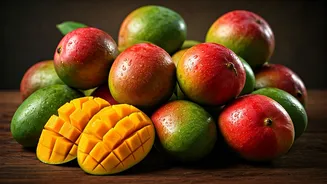
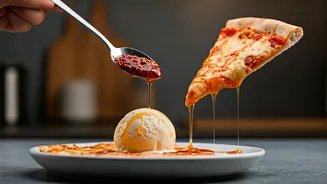
If you’ve drizzled Mike’s Hot Honey on a pepperoni pizza, dipped a french fry in a milkshake with a side of sriracha, or enjoyed a mango chili lollipop, you’ve experienced “swicy.” The portmanteau of “sweet” and “spicy” describes a flavor profile that
creates a culinary rollercoaster in your mouth. The initial sweetness is quickly followed by a wave of heat, which in turn is soothed by more sweetness, creating a complex and craveable loop. While the name is new and trendy, the concept is ancient. For centuries, cuisines around the world have mastered this dynamic duo. Think of Thai sweet chili sauce, Korean gochujang-based glazes on fried chicken, or the classic Mexican pairing of fresh fruit sprinkled with Tajín. What’s different now is its explosion into the American mainstream. It’s no longer a niche flavor found only in specific restaurants; it’s a full-blown movement showing up in grocery aisles, fast-food chains, and high-end cocktail bars.
Why Is This Happening Now?
So, why the sudden ubiquity? The swicy surge is a perfect storm of cultural shifts. First, there's the ongoing globalization of the American palate. Consumers, especially younger ones, are more adventurous than ever, seeking out authentic and bold flavors from around the world. The pandemic accelerated this, with home cooks experimenting with ingredients like gochujang, harissa, and chili crisp to break up the monotony of lockdown meals. Then there’s the social media factor. A drizzle of glistening hot honey or a vibrant red dusting of chili powder is incredibly photogenic. Platforms like TikTok and Instagram turned swicy foods into viral sensations. Videos of people trying chili oil on their vanilla ice cream for the first time racked up millions of views, creating a feedback loop of curiosity and participation. It’s a trend that’s as fun to watch as it is to taste.
The Science of Craveability
There’s also a bit of brain science at play. The appeal of swicy isn’t just cultural; it’s chemical. Capsaicin, the compound that makes chili peppers hot, triggers pain receptors in our mouth. In response, our brain releases endorphins—natural pain-killers that produce a mild sense of euphoria, similar to a “runner’s high.” When you pair that exhilarating heat with sugar, something magical happens. The sweetness provides an immediate, pleasant reward and also helps temper the burn, making the experience more enjoyable and less overwhelming. The heat, in turn, cuts through the richness and prevents the sweetness from being cloying. This push-and-pull makes each bite interesting, compelling you to go back for another to experience the full cycle again. It’s a sophisticated, layered sensation that basic sweet or salty snacks can’t replicate.
How to Join the Swicy Movement
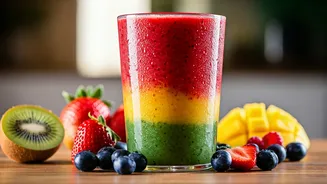
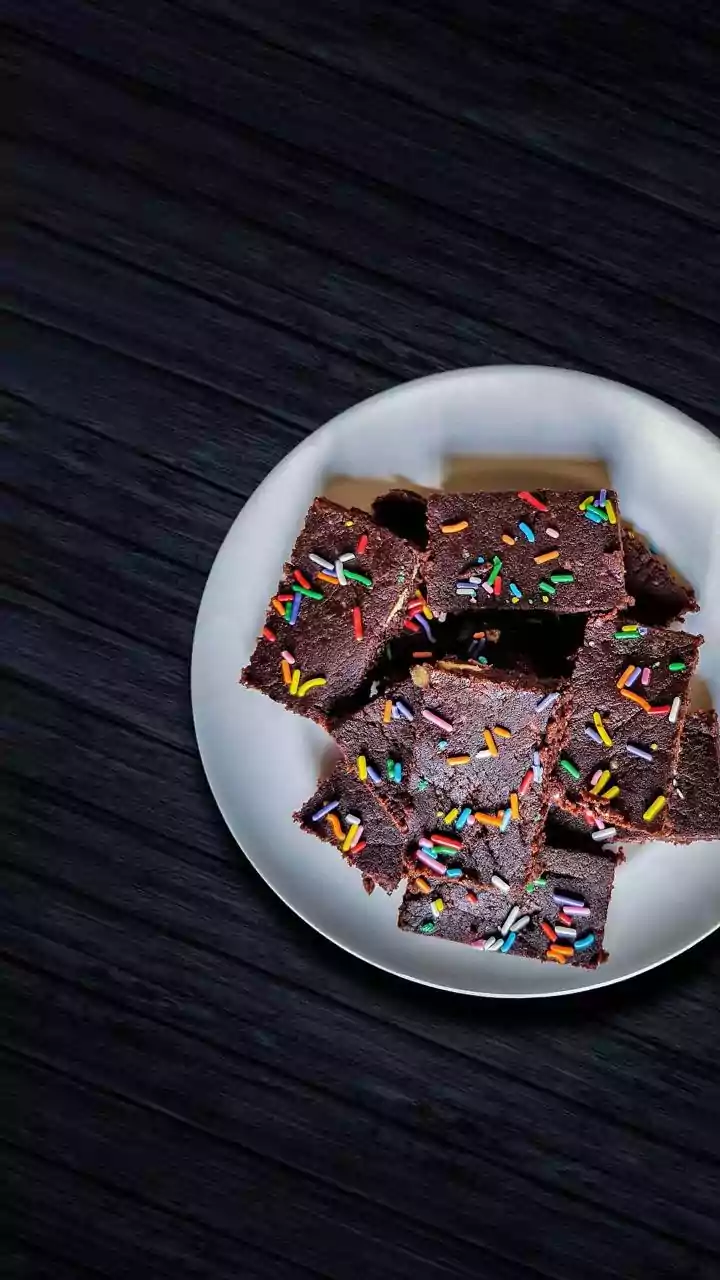
Jumping on the swicy bandwagon is easy, and you can dial the intensity up or down to your liking. For a gentle introduction, start with products where the balance is already perfected. Think sweet and spicy barbecue sauce on ribs, pepper jelly on a cracker with cream cheese, or a bag of Sweet & Spicy Doritos. The next level involves a bit of DIY. Drizzle hot honey on fried chicken, roasted vegetables like Brussels sprouts, or a cheese board. Try adding a dash of cayenne pepper and a squeeze of lime to your favorite fruit salad. Mix a spoonful of chili crisp into your ramen or on top of a fried egg. For the truly adventurous, the dessert course awaits. A sprinkle of chili flakes on a dark chocolate brownie or a swirl of spicy mango sorbet can be a revelation, proving that the swicy trend knows no bounds.