


An Ancient, Epic Set
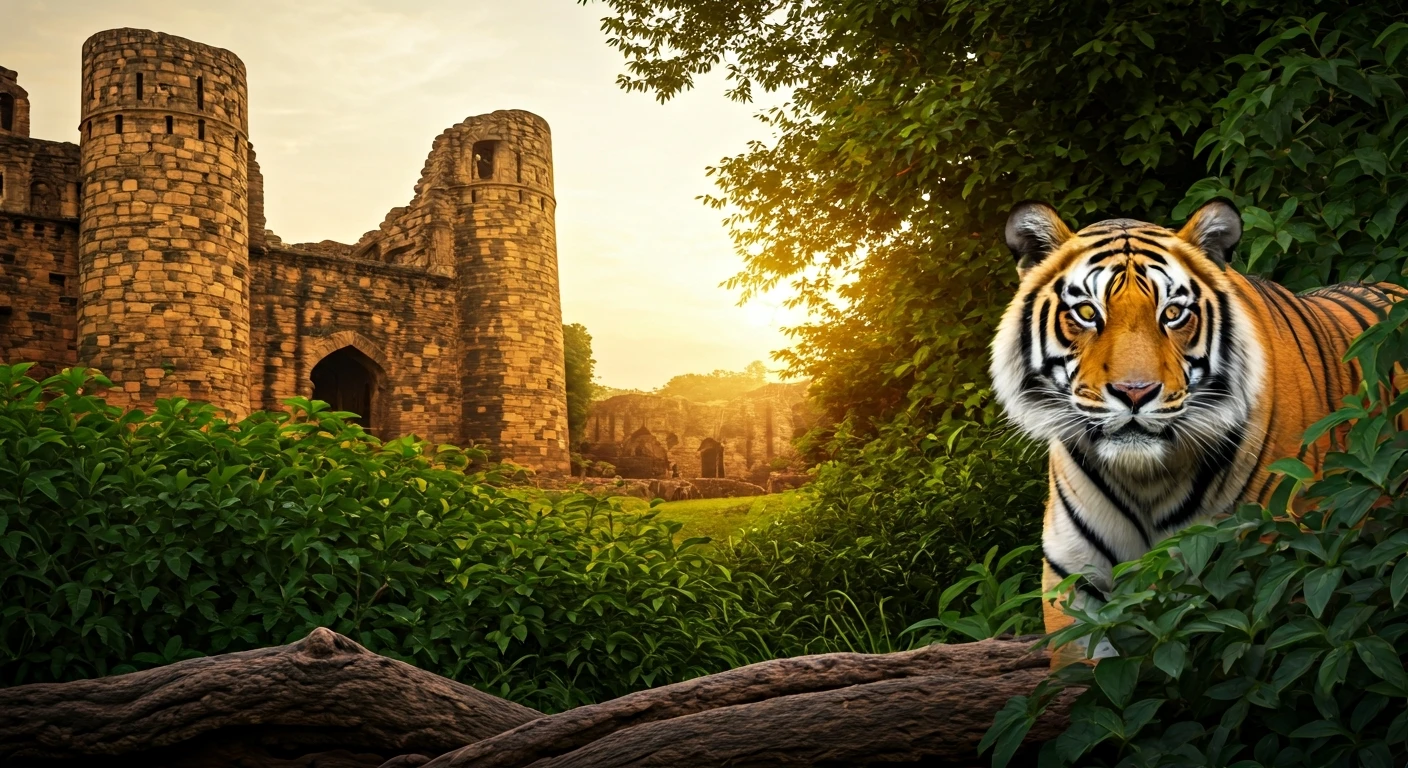
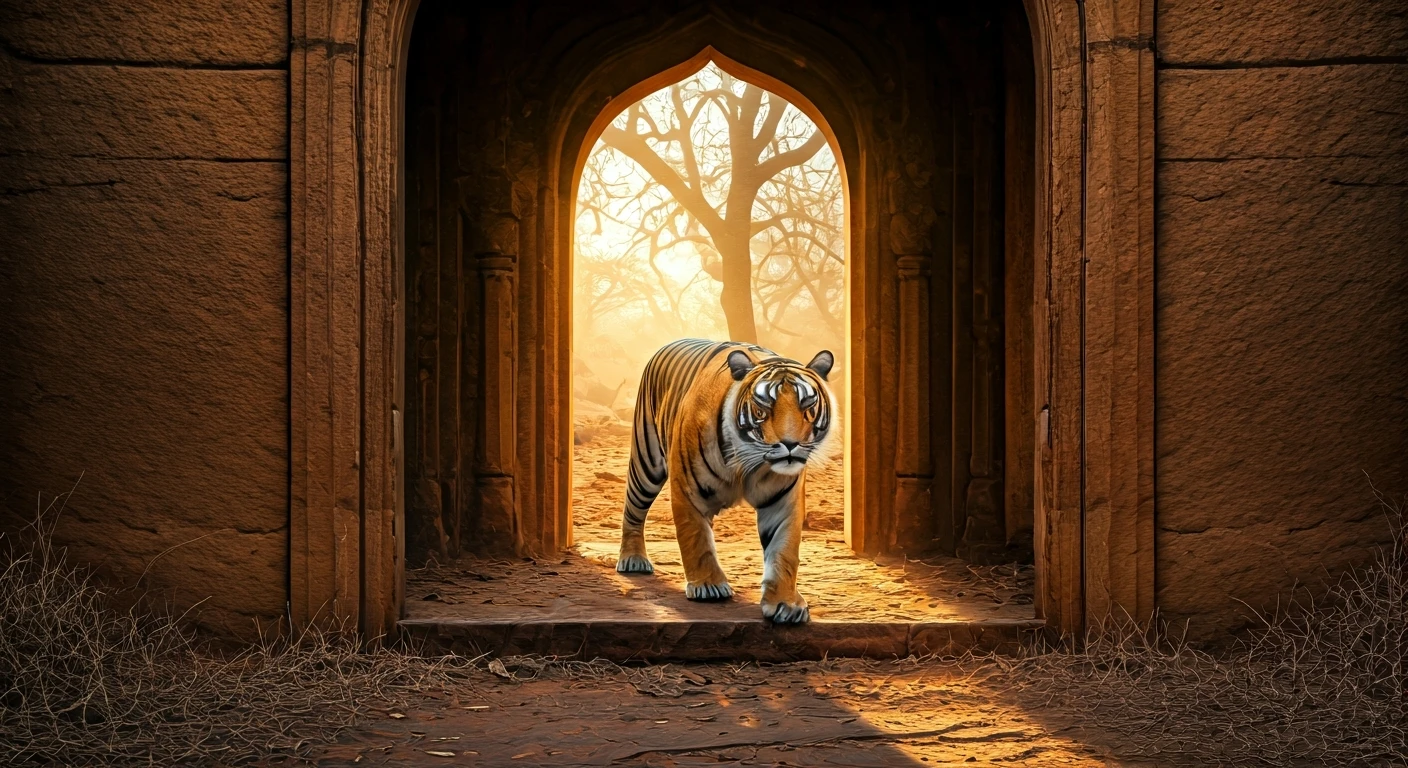
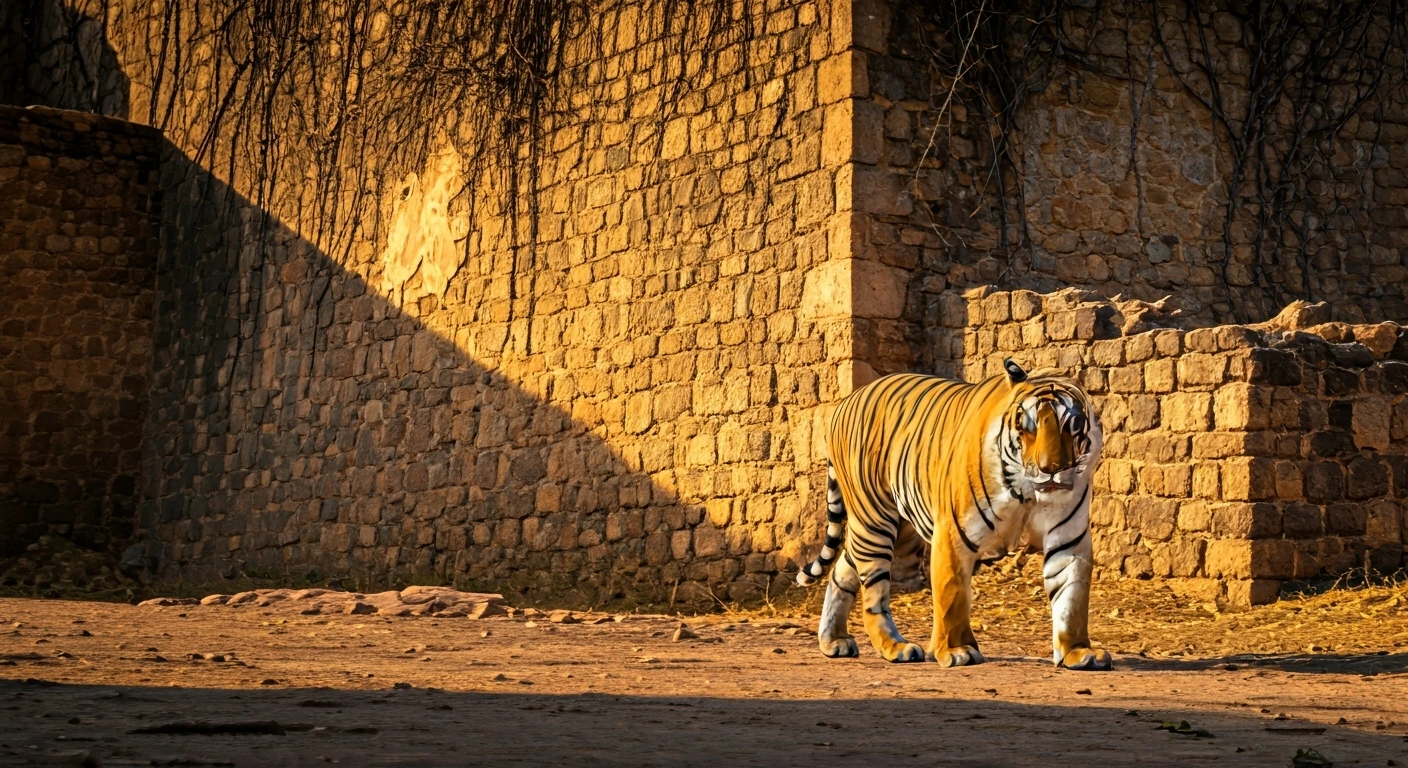
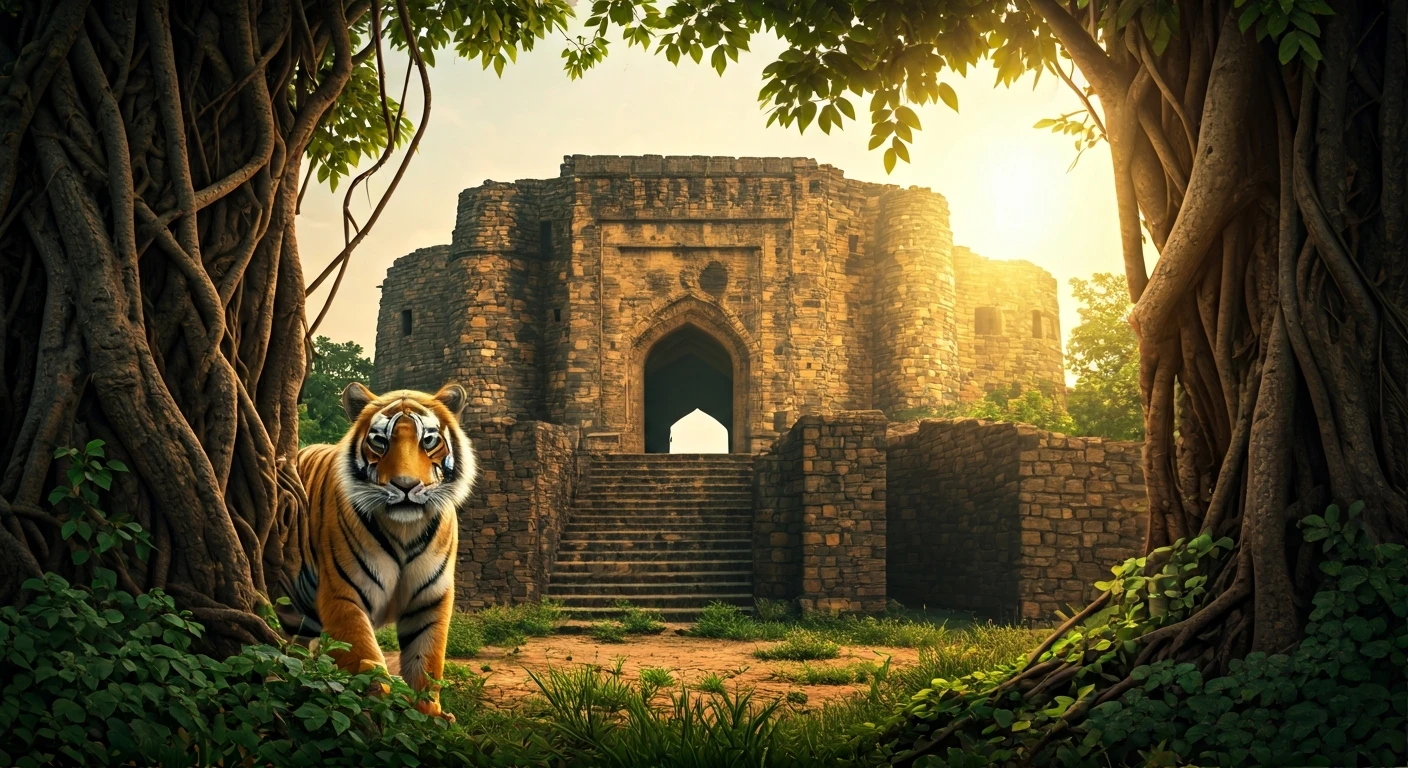
Forget a soundstage; Ranthambore National Park in Rajasthan, India, uses a 10th-century fort for its backdrop. Sprawling across a rugged landscape of arid forests and glassy lakes, the park is dominated by the imposing Ranthambore Fort, a UNESCO World
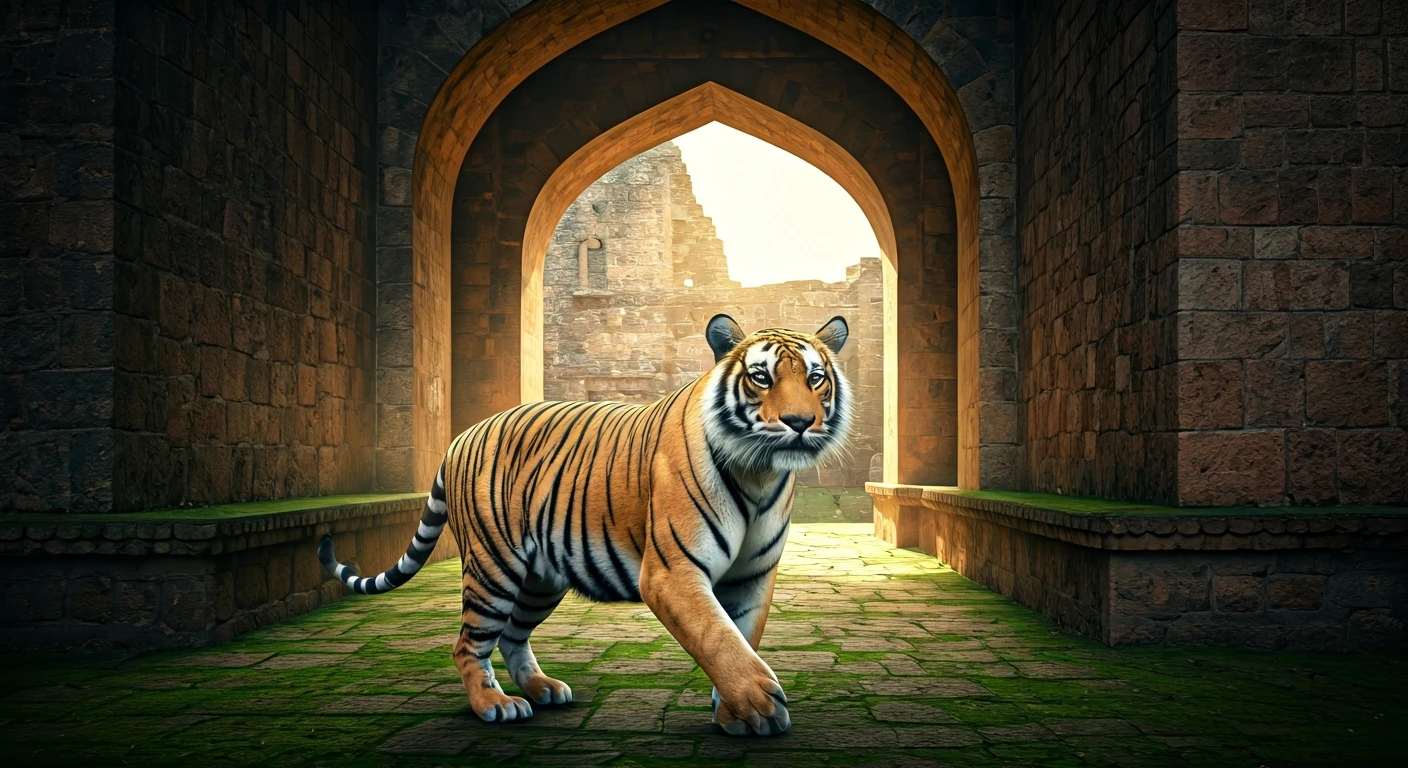
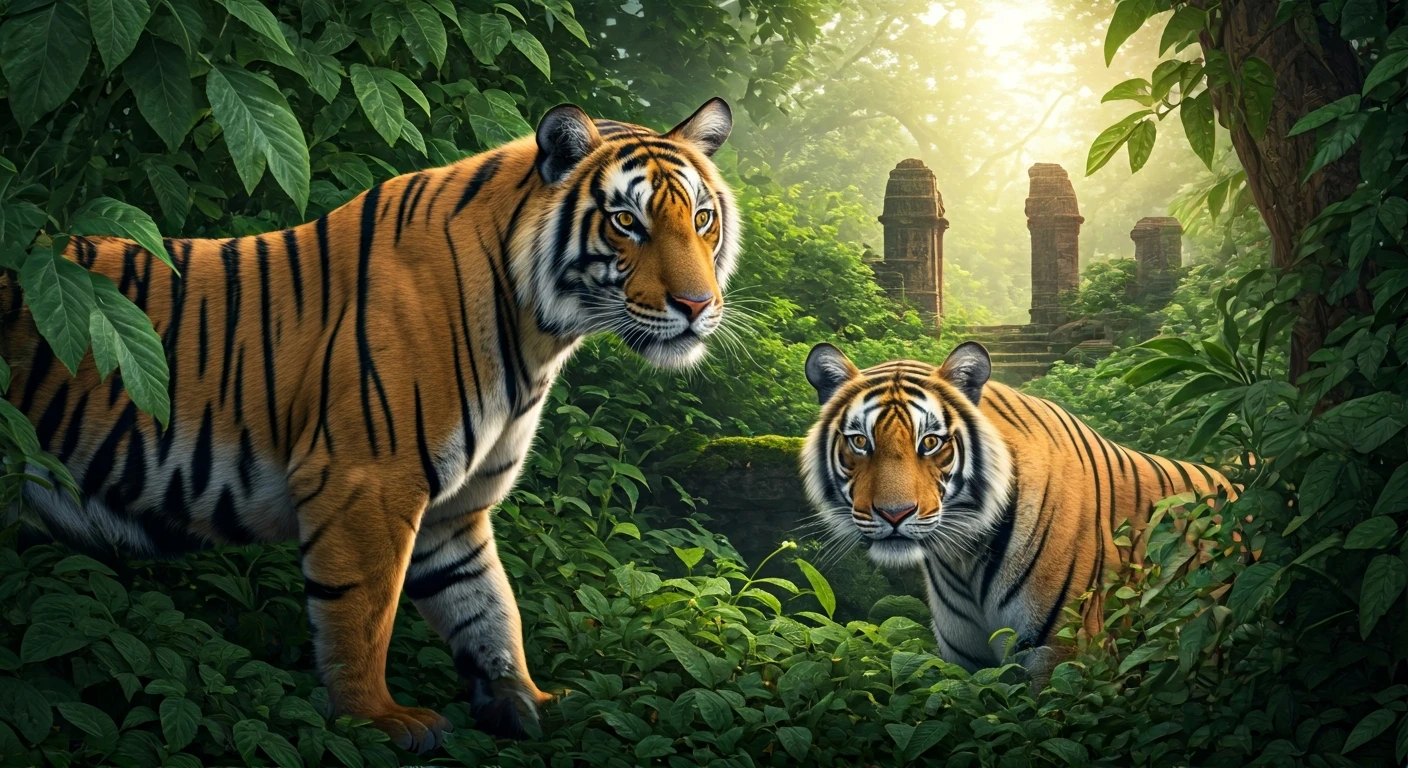
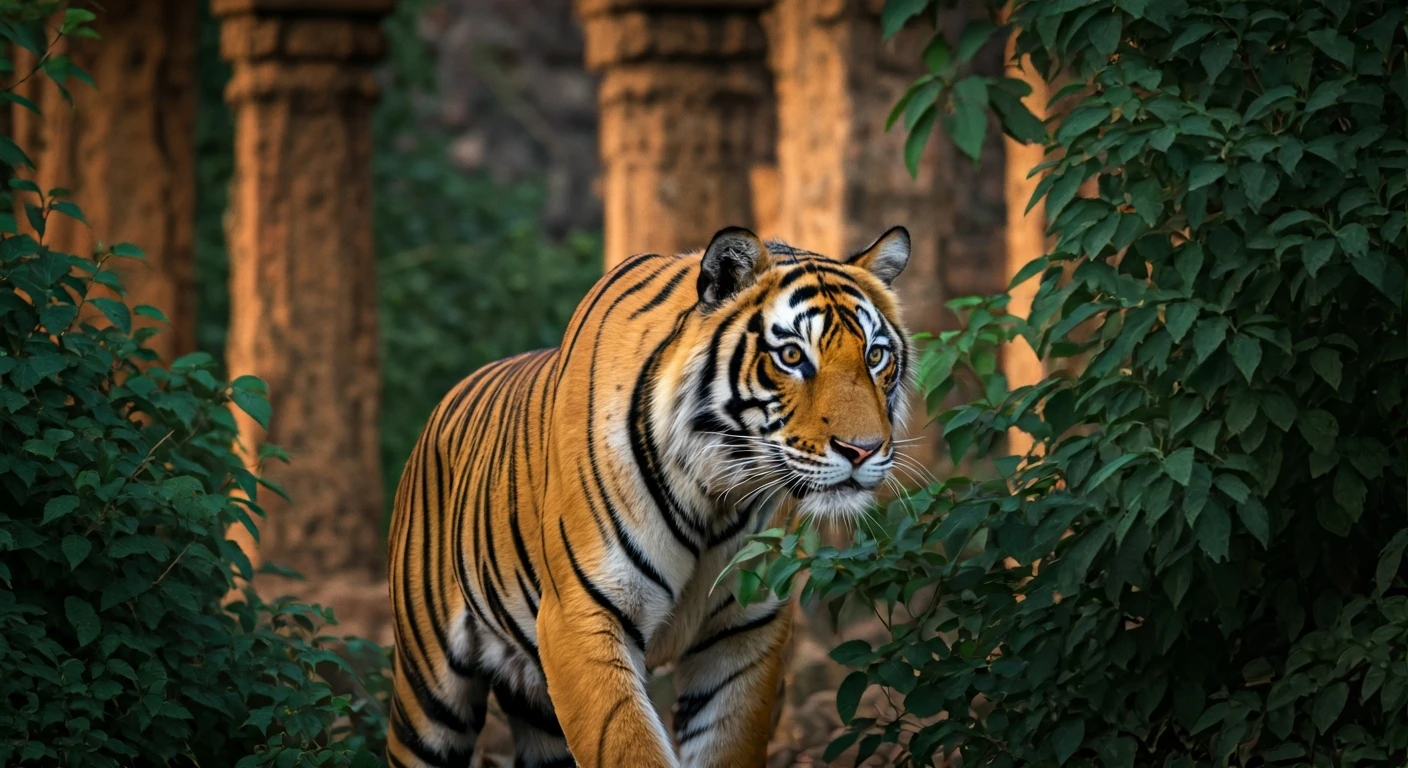
Heritage Site. Its crumbling walls, ancient temples, and hunting pavilions rise from the cliffs like forgotten monuments, creating a dramatic tension between nature and history. As your jeep navigates the dusty tracks, you’ll pass through massive stone gates and see a lone langur monkey perched on a turret, surveying its kingdom. It feels less like a wildlife park and more like the ruins of a lost civilization that nature has triumphantly reclaimed. This isn’t just a setting; it's a character in the story, lending an air of ancient mystery to the modern-day quest for tigers.
The Protagonist's Entrance
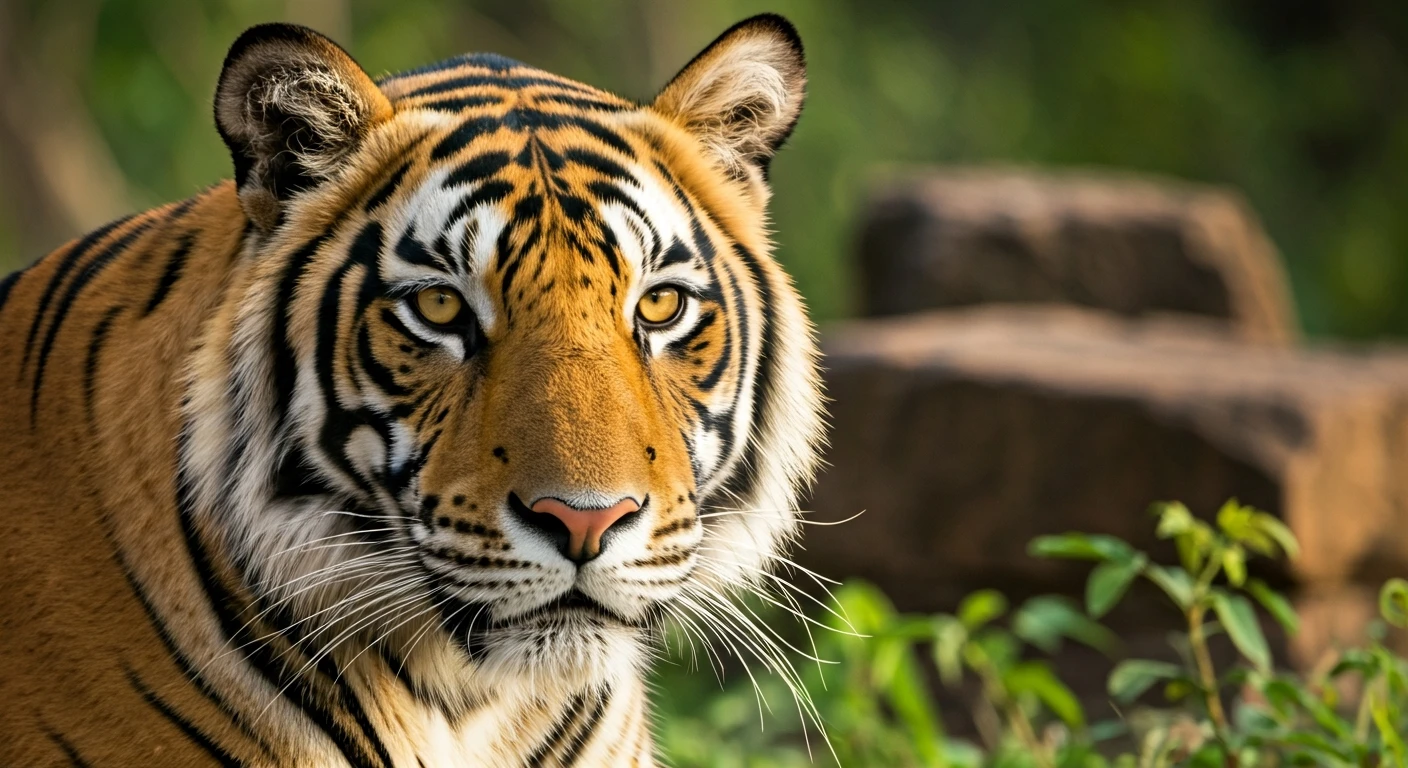
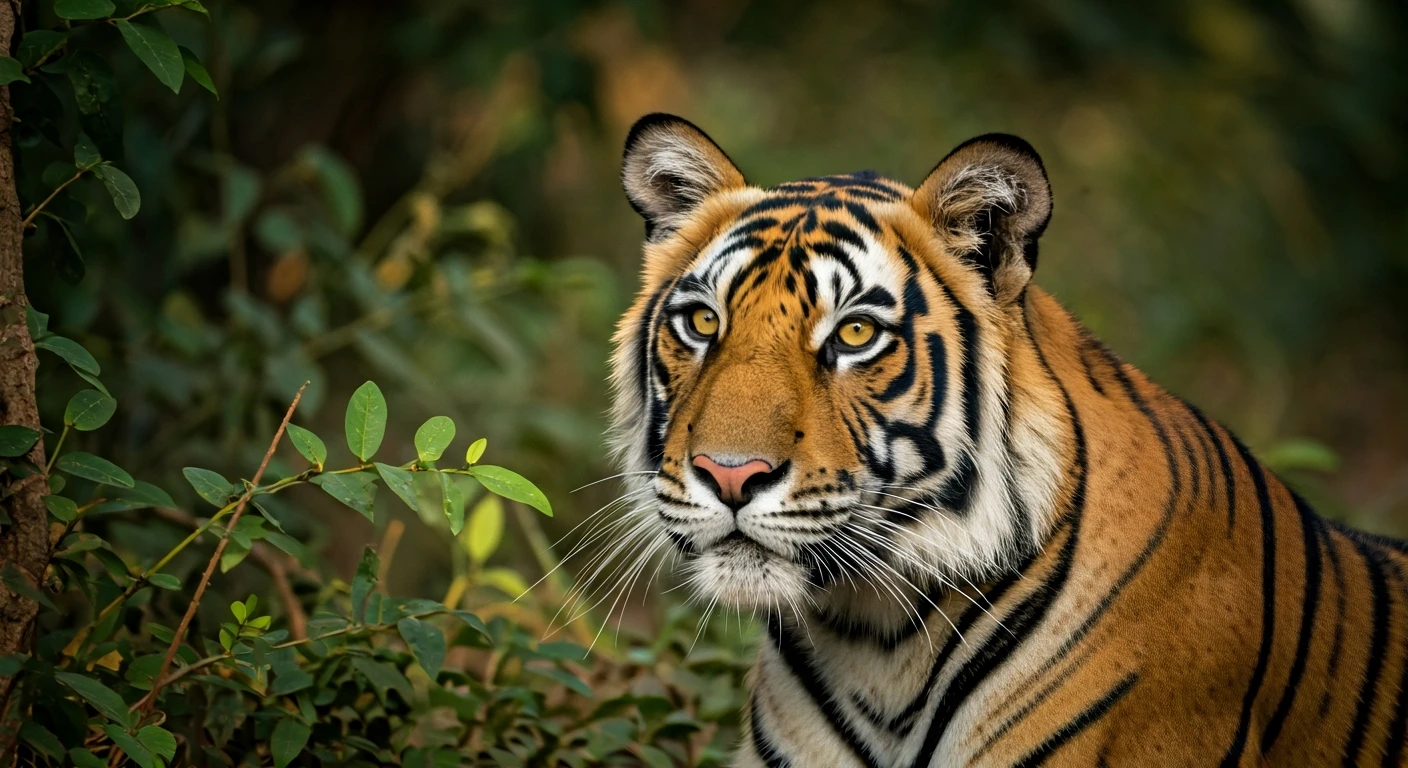
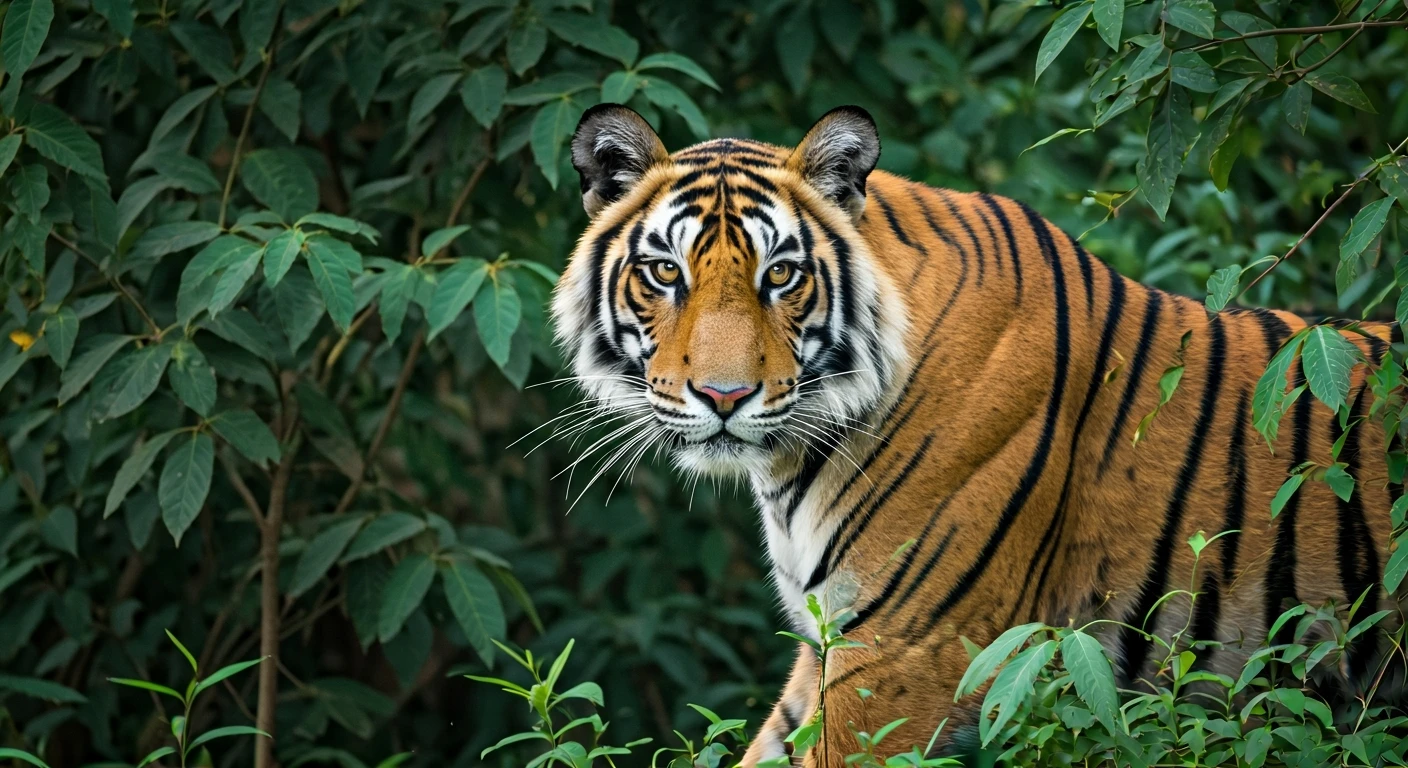
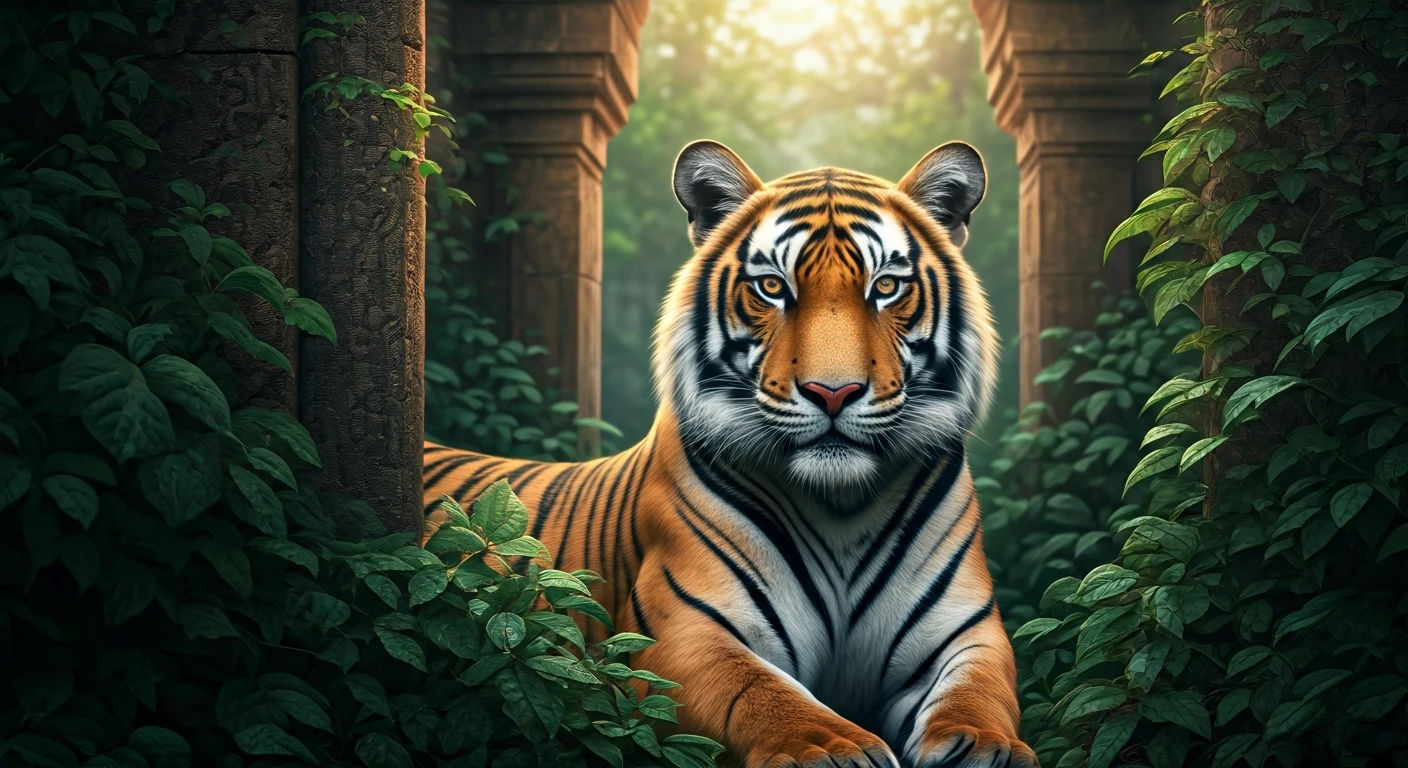
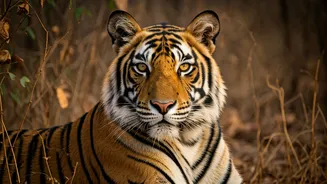
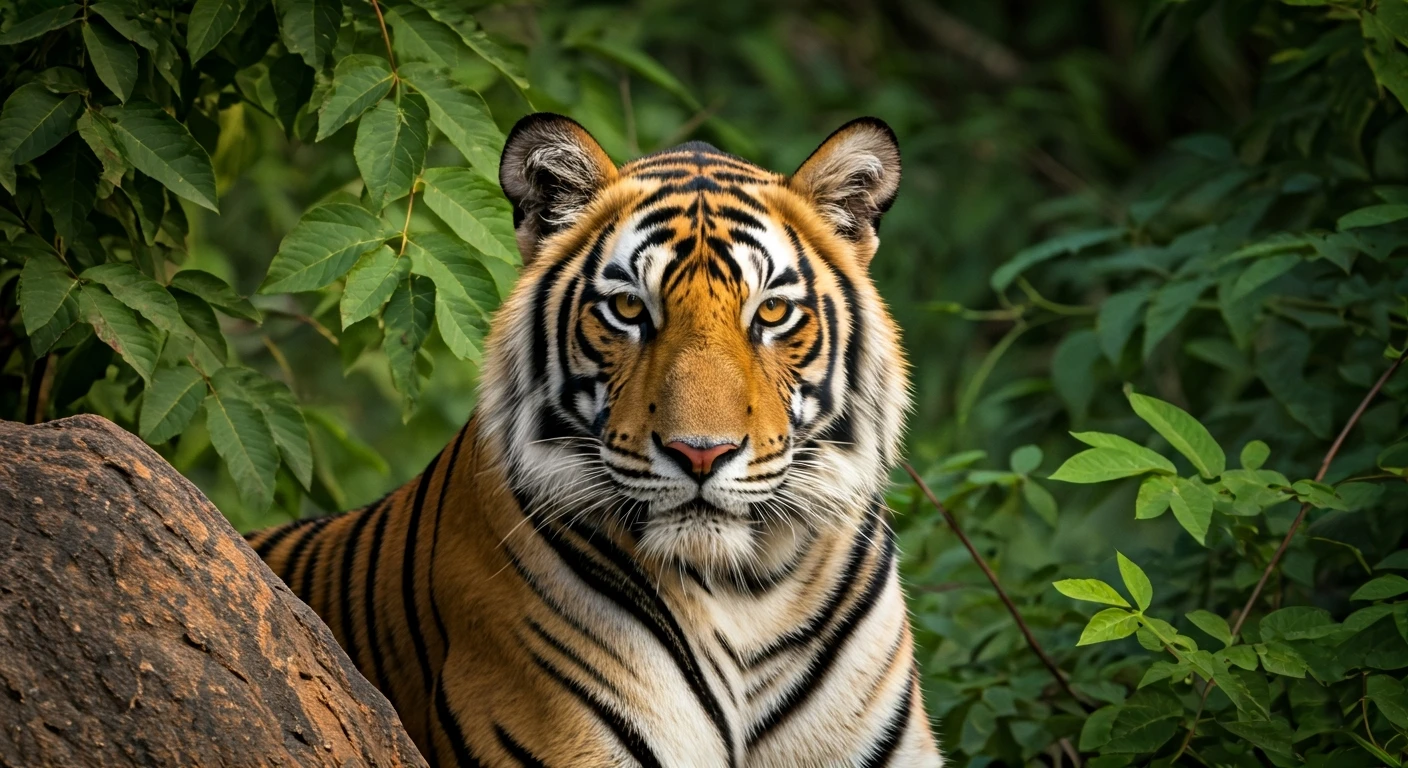
The star of this show is, without question, the Bengal tiger. Ranthambore is one of the best places in the world to see these magnificent predators in their natural habitat. But a sighting is never guaranteed, and that's the source of the filmic suspense. The entire safari experience is a masterclass in building narrative tension. Your guide, a seasoned tracker with an almost supernatural ability to read the forest, becomes your director. He points out fresh pugmarks in the soft earth—a silent announcement that the star is nearby. He cocks his head, listening for the 'alarm calls' of sambar deer or monkeys, the forest’s own warning system that a predator is on the move. Every rustle in the undergrowth, every shadow that flickers at the edge of your vision, makes your heart pound. You are completely immersed in the hunt, a willing participant in a real-life thriller.
The Climactic Scene
When the moment finally arrives, it’s always breathtaking. It rarely happens with a roar. More often, it’s a silent, almost ghostly appearance. The tiger emerges from the tall grass, a ripple of orange and black, and steps into a clearing. A collective, silent gasp is the only sound from the dozen or so people in nearby jeeps. Phones and cameras are forgotten for a second as the sheer, physical presence of the animal commands your full attention. It might be a tigress leading her cubs to a waterhole, their playful tumbles a stark contrast to her lethal grace. Or it could be a massive male, patrolling his territory with an unhurried, muscular stride that radiates power. He might glance in your direction, his gaze cool and indifferent, a powerful reminder of who truly rules this domain. In that moment, you are not a tourist; you are an audience held captive by one of nature's greatest performers.
A Rich Supporting Cast
While the tiger is the undisputed headliner, Ranthambore’s supporting cast is just as compelling. The park is a vibrant, living ecosystem. Marsh crocodiles bask like logs on the banks of Padam Talao lake, their jaws slightly agape. Herds of spotted deer (chital) graze peacefully in sun-dappled meadows, their ears twitching at every sound. A lumbering sloth bear might shuffle across the track in front of you, and the flash of a kingfisher's brilliant blue wings adds a splash of color to the dusty greens and browns. Peacocks, India’s national bird, strut with iridescent plumage, their haunting calls echoing through the forest. These encounters provide the texture and richness of the film, ensuring that even if the star remains elusive, the movie itself is still a spectacular production.