
From Destination to Daily Identity
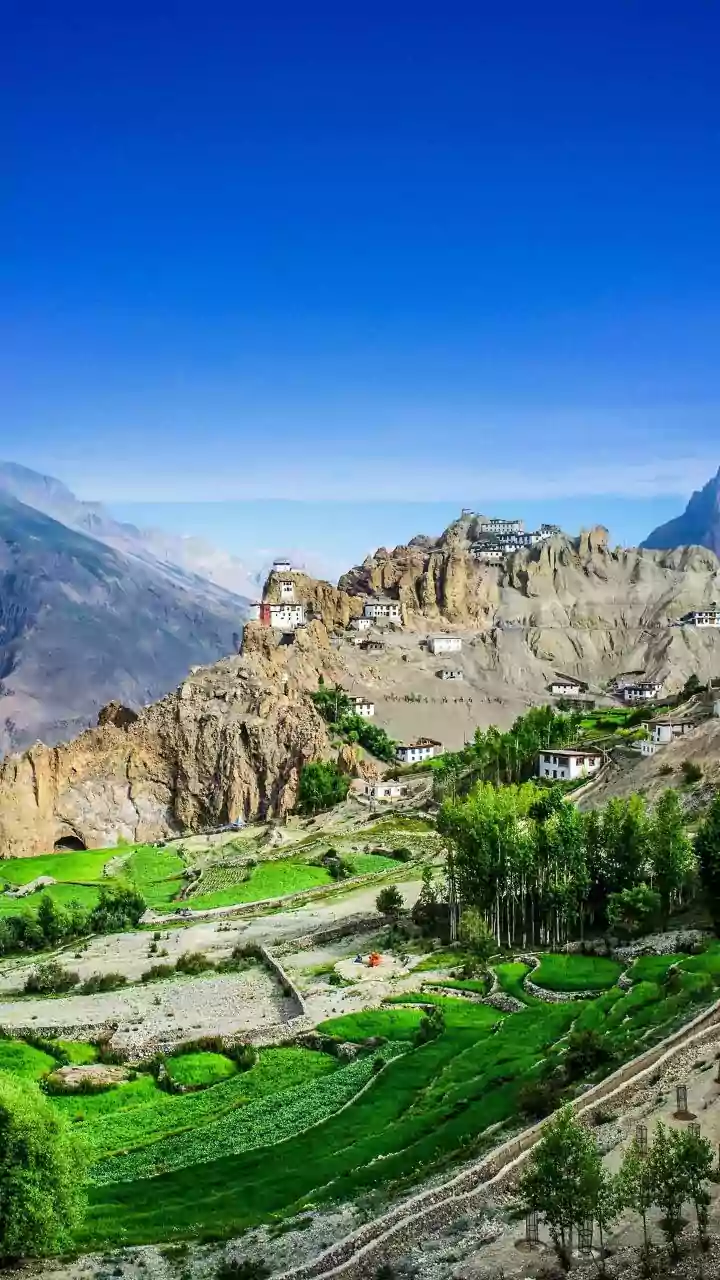
The great outdoors is no longer just a place you visit; it’s a lifestyle you inhabit. This is the core of nature travel’s new era. It represents a fundamental shift from viewing nature as a separate, rugged sphere for specialists to a seamless extension
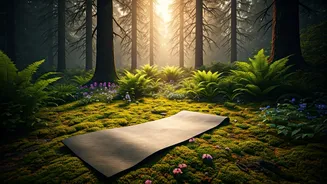
of our personal brand and wellness practices. Where adventure travel was once about conquering a peak or completing a trail, the new focus is on embodying the feeling of the outdoors. It’s the curated cabin getaway shared on Instagram, the high-performance rain jacket worn for a coffee run, and the sunrise hike viewed as a form of mindfulness. This transition reframes nature not as a challenge to be overcome, but as an atmosphere to be consumed and integrated into one’s identity.
The Post-Pandemic Wellness Mandate
The seeds of this trend were planted long ago, but the pandemic acted as a powerful fertilizer. Lockdowns and indoor confinement created a profound, collective craving for open space, fresh air, and a tangible connection to the non-digital world. The outdoors became a sanctuary, one of the few safe places for recreation and mental respite. This mass exodus into local parks, national forests, and backyard campsites rewired our collective priorities. Getting outside was no longer just for fun; it became an essential act of self-care. This therapeutic association has stuck, positioning nature as a cornerstone of the modern wellness movement, right alongside meditation apps and green juice. A weekend in a remote forest is now prescribed, by culture if not by doctors, as an antidote to burnout.
The Rise of 'Gorpcore' and Glamping
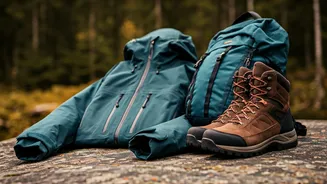
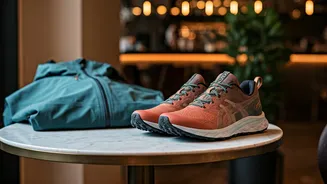
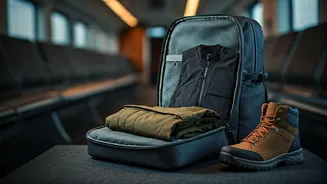
Every lifestyle has its uniform and its accessories, and the nature lifestyle is no exception. Enter “gorpcore,” a fashion trend named for the colloquial term for trail mix (“Good Ol' Raisins and Peanuts”). It describes the appropriation of functional outdoor gear—think Arc’teryx shells, Salomon trail runners, and Patagonia fleeces—as high-fashion streetwear. Wearing a $500 mountain jacket in a downtown metropolis signals not just wealth, but an affiliation with the values of adventure, durability, and authenticity. Parallel to this is the explosion of “glamping” (glamorous camping). It offers the aesthetic of the wild—the canvas tents, the starry skies, the crackling fire—without the associated discomforts. Fully-furnished yurts with king-sized beds and Wi-Fi allow people to purchase an experience of rustic immersion, perfectly packaged and ready for consumption.
A Curated and Commodifed Wild
With any lifestyle trend comes a market eager to serve it. The new nature era is driven by a powerful commercial engine that sells not just products, but access to an aspirational identity. It’s the explosion of van-life conversion companies, the proliferation of design-forward cabin rental platforms like Getaway, and the ubiquity of products like the Stanley cup, which transforms a simple hydration tool into a symbol of rugged-chic preparedness. While this movement has encouraged more people than ever to appreciate the outdoors, it also raises questions about accessibility and authenticity. The high cost of gear and curated experiences can create a barrier to entry, and the pressure to perform “nature” for social media can sometimes overshadow a genuine connection to it. The wild is becoming a carefully branded and bookable commodity.