




An Emerald World Awakens
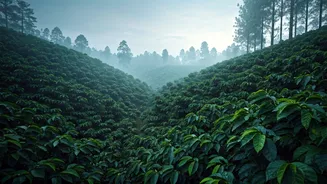
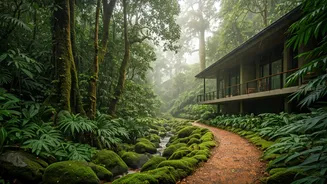
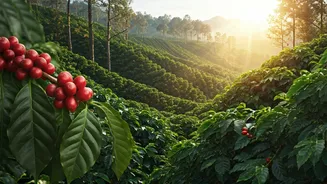
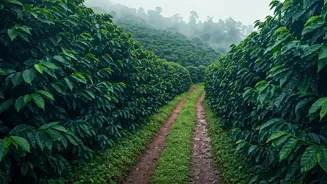
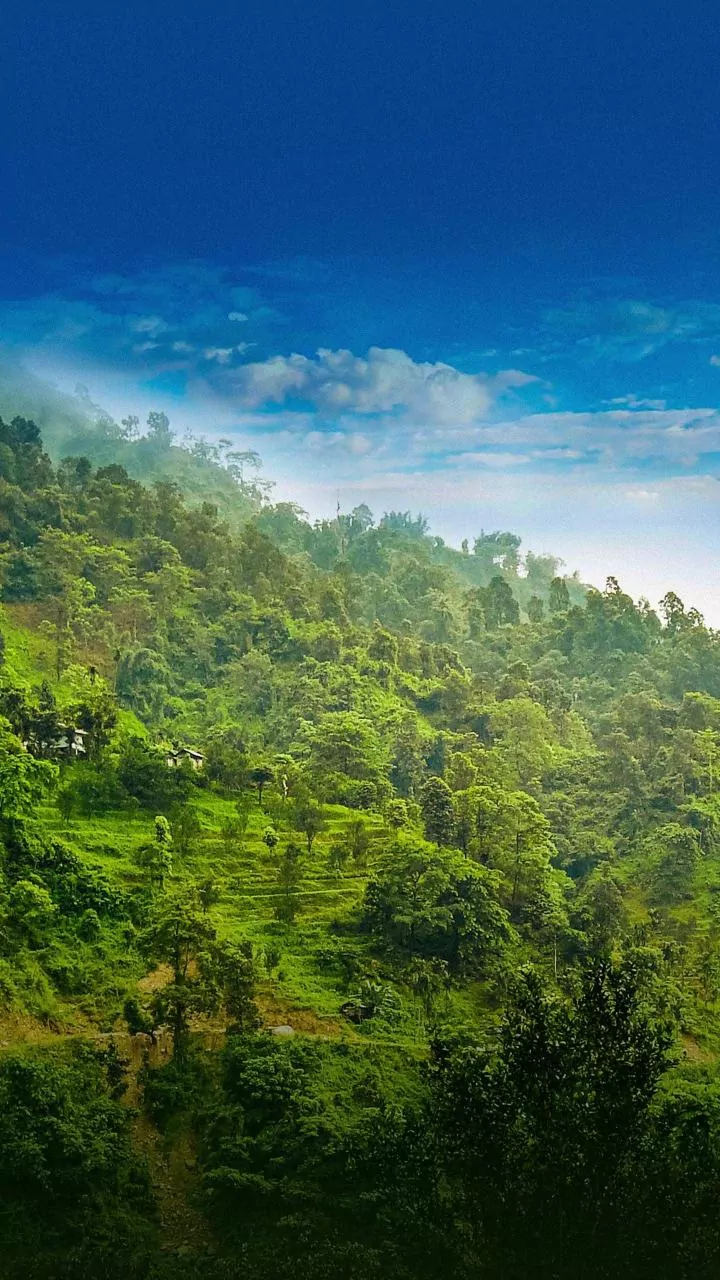
When the monsoon arrives, typically from June to September, the Western Ghats mountain range transforms. The sun-scorched, dusty landscapes of the dry season give way to an almost impossibly vibrant green. The coffee plantations of Coorg (Kodagu), Chikmagalur,
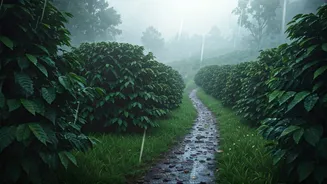
and Sakleshpur, which form the heart of India's coffee belt, become a rolling expanse of emerald. The rain washes every leaf, creating a fresh, clean, and deeply saturated world. The mist that hangs low over the valleys in the morning adds a layer of mystery and serenity, making a simple walk or drive a cinematic experience. This isn't just rain; it's a complete atmospheric makeover that has to be seen to be believed.
Waterfalls in Their Full Glory
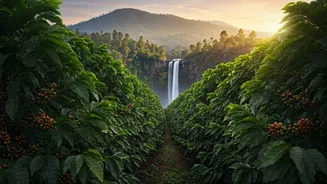
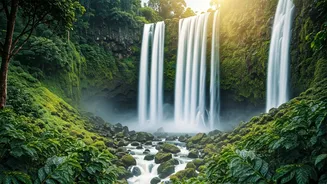
Many of the region's most beautiful waterfalls are reduced to a trickle during the hotter months. The monsoon, however, brings them roaring back to life. Cascades like Abbey Falls and Iruppu Falls in Coorg, or Hebbe Falls in Chikmagalur, are at their most powerful and dramatic. The sound is thunderous, the spray is refreshing, and the sight of immense volumes of water carving its way through the rocky, green terrain is awe-inspiring. While swimming might be off-limits due to strong currents, simply witnessing this raw display of nature's power is a key part of the monsoon allure. They become destinations in themselves, not just a footnote on a tourist map.
The Ultimate Coffee Experience
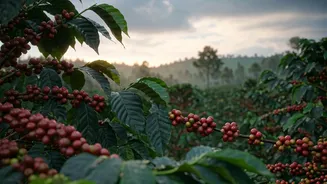
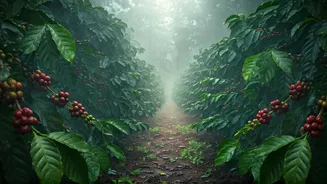
What better time to appreciate a warm cup of coffee than when it's cool and rainy outside? Visiting during the monsoon offers a unique perspective on the coffee-making process. The berries are developing on the bushes, and the estates are quiet and contemplative. Many plantations and homestays offer guided tours where you can learn about the journey from bean to cup. Afterwards, you can retreat indoors to a cozy armchair, watch the rain fall, and savor a freshly brewed cup of local Arabica or Robusta. The aroma of coffee seems to hang in the very air, mingling with the scent of damp soil and fragrant spices like cardamom and pepper that are often grown alongside the coffee.
Fewer Crowds and More Tranquility
While summer and winter are peak tourist seasons, the monsoon is considered the off-season by many. This is a massive advantage for the discerning traveler. You'll find fewer crowds at popular viewpoints, more peaceful trails, and a general sense of having the place to yourself. It’s an opportunity to connect with the region on a deeper, more personal level. The quiet allows you to hear the sounds of the forest—the rain, the chorus of frogs, the calls of exotic birds. This solitude turns a simple vacation into a genuine retreat, perfect for reading, writing, or simply unwinding from the noise of daily life.
Cozy Homestays and Seasonal Cuisine
The region is famous for its charming homestays—family-run guesthouses often set right in the middle of a plantation. During the monsoon, they become the coziest of havens. Imagine sitting on a covered veranda, wrapped in a blanket, as the rain drums on the roof. The hosts often cook delicious, home-style Kodava (Coorgi) food, which is hearty and flavorful. The monsoon season also brings its own culinary specialties. Think warm soups, steamed dumplings, and spicy curries featuring foraged greens and mushrooms that only appear during the rains. It’s comfort food that perfectly complements the cool, damp weather.