




The Backlash Against 'Better' Bubbles
For a while, the probiotic drink scene felt like a competition to see who could pack the most into one bottle. We saw kombuchas with exotic superfoods, adaptogenic herbs, and enough fruit juice to rival a soda. While these drinks brought fermented beverages
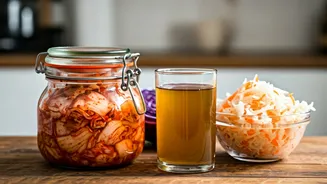
into the mainstream, a quiet fatigue has set in. Consumers are growing wary of long, complicated ingredient lists and hidden sugars masquerading as health benefits. This isn't about rejecting probiotics; it's about wanting them in their purest form. The “back to basics” movement is a direct response to this wellness overload. It’s a return to the foundational idea of fermentation: a simple, natural process that creates complex flavors and beneficial bacteria without needing a chemistry degree to understand the label. Drinkers are seeking authenticity and transparency, favoring beverages that taste like what they are—fermented tea, water, or fruit—not a lab-created flavor profile. This shift mirrors the broader clean-eating movement, where shorter ingredient lists and recognizable components are king.
Meet the Old-School All-Stars
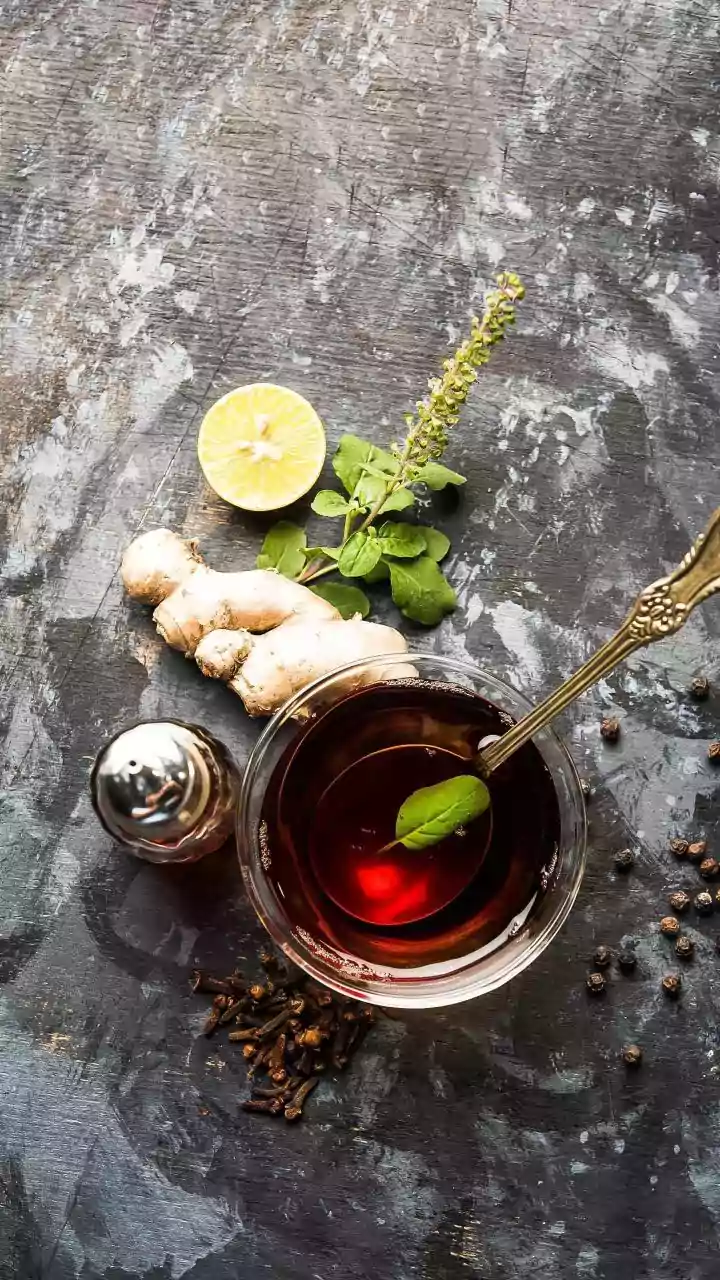
So, what does “basic” look like? It’s less about being boring and more about being elemental. First, there’s kombucha, but not as you might know it. The new wave focuses on high-quality tea and minimal additions. Think classic kombucha that’s tangy, lightly effervescent, and tastes distinctly of tea, perhaps with a subtle hint of ginger or a single fruit, rather than a blast of mango-chili-lime. These brews celebrate the craft of fermentation itself. Next up is water kefir, kombucha’s lighter, milder cousin. Made by fermenting sugar water with “kefir grains” (a symbiotic culture of bacteria and yeasts), it’s a delicate, often less acidic drink that’s naturally caffeine-free. Its simplicity makes it a perfect canvas for subtle infusions of fresh fruit or herbs, aligning perfectly with the minimalist ethos. Finally, the most surprising comeback kid is the shrub. A Colonial-era staple, a shrub is a non-alcoholic drinking vinegar made from three simple ingredients: fruit, sugar, and vinegar. The fruit is macerated in sugar and then steeped in vinegar, creating a tart, sweet, and intensely flavorful syrup that’s mixed with sparkling water. It’s a grown-up, sophisticated drink that delivers a tangy kick and gut-friendly acetic acid without the need for a SCOBY.
Why Simpler Is Often Smarter
Choosing a simpler probiotic drink isn’t just an aesthetic choice; it often comes with tangible benefits. The most obvious is sugar content. Many of the heavily flavored commercial kombuchas that taste like juice are, well, full of juice and added sugars, sometimes packing as much as 20 grams per bottle. The back-to-basics versions typically contain significantly less, letting the natural tartness of fermentation shine through. This makes them a more sustainable daily habit for those monitoring their sugar intake. Furthermore, a cleaner label means you know exactly what you’re putting in your body. Traditional fermentation relies on a diverse community of wild yeasts and bacteria. Overly processed, pasteurized, or heavily filtered drinks can diminish this microbial diversity. While all commercial probiotic drinks must meet safety standards, simpler recipes often mean a product that’s closer to its natural, nutrient-rich state. It’s about trusting a centuries-old process over modern food science’s attempt to “improve” it.
Your DIY Probiotic Primer
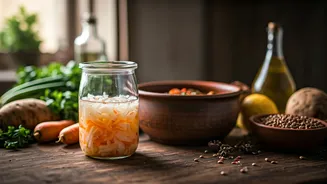
Perhaps the most compelling part of this trend is its accessibility. You don’t need a high-tech lab to embrace it; you just need a few jars and some patience. Making your own simple kombucha, water kefir, or shrub at home is the ultimate expression of the “back to basics” philosophy. It puts you in complete control of the ingredients, the sugar level, and the final flavor. Starting a batch of shrubs, for example, requires little more than chopping some summer berries, covering them with sugar, and adding vinegar a day later. Kombucha brewing begins with sourcing a SCOBY (often from a friend or online), brewing some sweet tea, and letting nature do the rest. This hands-on approach not only demystifies fermentation but also connects you more deeply to what you consume. It’s a rewarding ritual that yields a delicious, healthy beverage tailored exactly to your taste.