




The Peak of Empty Promises
Remember the boom? It felt like every celebrity and influencer had a magic bullet for what ailed you. The wellness industry, valued in the trillions, was built on a simple, seductive premise: maximum results for minimum effort. This model thrived in the visual,
aspirational world of social media, where a photogenic smoothie bowl or a well-packaged 'skinny tea' could be marketed as a complete lifestyle transformation. The appeal was obvious. In a culture obsessed with optimization and instant gratification, the idea that you could buy your way to better health without the hard work of, say, consistent exercise or balanced nutrition was intoxicating. Brands sold not just products, but a feeling of control and self-improvement that was just a click away. For a while, it worked. Consumers bought in, hoping the next powder or pill would finally be the one that delivered on its promise.
The Rise of the Skeptic
The problem with promises that sound too good to be true is that they usually are. The backlash didn't happen overnight, but it grew steadily. It started with a quiet murmur of disappointment from consumers who drank the tea but saw no change, bought the supplement but felt no different. This frustration found a voice online, amplified by journalists, doctors, and registered dietitians who began systematically debunking the pseudoscience propping up these products. They pointed out the lack of credible research, the misleading marketing language, and the potential dangers of unregulated supplements. The term 'wellness' itself, once a positive signal of self-care, began to be associated with expensive placebos and thinly veiled disordered eating habits. Consumers grew weary of being sold a solution that didn't work, and they started asking tougher questions. The credibility of a charismatic influencer began to wane against the hard evidence presented by a credentialed expert.
From Influencers to Experts
A key part of this shift is who we trust for health advice. While a beautiful Instagram model might have once been a credible source for diet tips, today’s savvy consumer is more likely to seek out a registered dietitian, a certified personal trainer, or a licensed therapist. The pandemic accelerated this trend, forcing a global conversation about health that prioritized science and expertise over aesthetics and marketing. People weren't looking for a 'beach body' anymore; they were looking for immune support, mental resilience, and genuine, long-term health. The new heroes of wellness are the ones with degrees on the wall, not just a massive follower count. They speak in terms of peer-reviewed studies, not personal anecdotes. This move toward professionalization is a sign of a maturing market, where customers are no longer content with aspirational content and demand real, evidence-based guidance.
The Dawn of 'Slow Wellness'
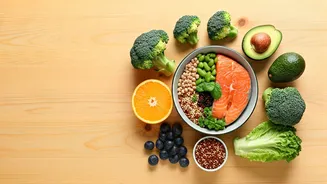
So, what's replacing the quick fix? 'Slow wellness.' This emerging philosophy rejects the idea of instant transformation in favor of small, sustainable, and often simple habits. Instead of a frantic 10-day detox, slow wellness champions consistency. It's about getting enough sleep, eating a variety of whole foods, moving your body in a way you enjoy, and managing stress through proven techniques like mindfulness or spending time in nature. It’s less about buying a product and more about building a practice. This approach is inherently less marketable—it's hard to sell a good night's sleep in a bottle—but it's far more effective. It reclaims wellness from a consumer trend and returns it to its roots: a holistic and realistic pursuit of a healthy, balanced life.