
More Than Just 'Food From Home'
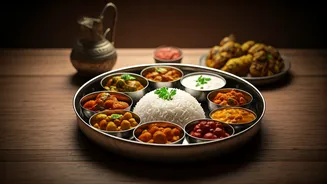
On the surface, 'ghar ka khana' is a simple Hindi phrase meaning 'home's food.' But its cultural resonance runs much deeper. It’s not just about a meal prepared in a domestic kitchen; it’s a shorthand for comfort, authenticity, and love. It’s the dal
your mom made that tastes like no other, the perfectly soft rotis that feel like a hug, or the simple rice and yogurt that soothes you when you're sick. For years, this food was private, reserved for the family table. It was seen as the opposite of fancy—it was humble, everyday sustenance. Now, that very humility is its source of power. In a world saturated with over-the-top culinary experiences, the quiet confidence of a perfectly executed homemade meal has become the ultimate flex.
The Backlash to Performative Dining
For the better part of two decades, foodie culture was defined by conspicuous consumption. The flex was securing a table at a critically acclaimed restaurant, photographing an avant-garde dish, or waiting in line for a viral pastry. It was external and performative. But a quiet fatigue has set in. The pandemic accelerated this shift, forcing everyone back into their own kitchens and reminding them of the simple joy of cooking and eating at home. But even before that, the relentless pressure to chase the next hot restaurant had begun to feel hollow. People grew tired of the expense, the performance, and the feeling that they were consuming a brand rather than enjoying a meal. The pendulum is swinging back from public spectacle to private, meaningful experiences. Posting a picture of a sizzling tadka for your dal is now more impressive than a photo of a $30 appetizer, because it signals skill, care, and a connection to something real.
A Celebration of Cultural Heritage
This trend is particularly powerful among second- and third-generation immigrants in the U.S. For many, the food of their parents and grandparents was once a source of mild embarrassment—the 'smelly' lunchbox at school is a near-universal trope. But now, that same food is a badge of honor. Cooking traditional recipes is a way to connect with a heritage that can feel distant. It’s an act of reclamation and pride. Social media platforms like Instagram and TikTok are filled with young people mastering family recipes, sharing videos of their parents teaching them techniques, and proudly packing tiffins for lunch. They are not just making food; they are curating and celebrating their identity. Sharing 'ghar ka khana' with friends is an invitation into one’s culture, a gesture far more intimate and meaningful than meeting at a neutral, commercial restaurant.
What the New 'Flex' Looks Like
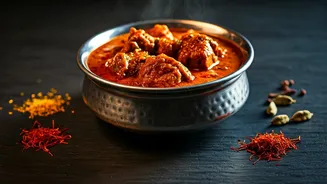
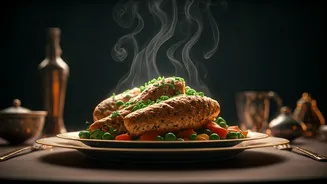
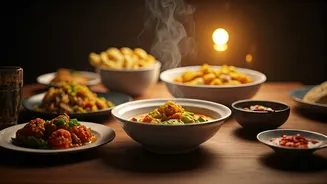
So what does this new foodie flex look like in practice? It’s less about perfect plating and more about showcasing process and substance. It’s the satisfying sizzle of spices blooming in hot ghee. It’s a shot of a pantry stocked with authentic ingredients. It’s the humble, stacked dabba (lunch box) filled with a balanced meal of sabzi, roti, and rice. The status symbol is no longer the reservation confirmation but the knowledge itself—the ability to make a perfectly round roti, to balance the spices in a curry without a recipe, or to have a pot of something delicious simmering on the stove when friends come over. This flex is about capability, not cash. It says, 'I can create this comfort and nourishment myself. I can share it with you.' It’s a display of nurturing and competence, qualities that feel far more valuable today than a hefty credit card bill from a trendy eatery.