





The Great Domestic Rediscovery
So, what’s behind the shift? It’s not one single thing, but a perfect storm of factors that began brewing during the pandemic and has now exploded into a full-blown travel movement. When international borders slammed shut, millions of Indians with disposable
income and a serious case of wanderlust were forced to look inward. What they found surprised them: a coastline stretching over 4,600 miles, dotted with everything from bustling party towns to pristine, untouched islands that could rival any global hotspot. This forced rediscovery has since blossomed into a genuine preference. The phenomenon of “revenge travel”—making up for lost time—found its perfect outlet not in long-haul flights, but in exploring the incredible diversity within India's own borders. The convenience of not needing a passport, dealing with visa applications, or worrying about foreign exchange rates simply sealed the deal.
More Than Just a Budget-Friendly Choice
It’s easy to dismiss this trend as a simple matter of cost, but that’s missing the bigger picture. While a trip to Goa or the Andamans is certainly easier on the wallet than a trip to Europe or Southeast Asia, the decision is increasingly about value and experience, not just savings. India's domestic aviation market has become one of the most competitive in the world, leading to a proliferation of affordable flights that connect major cities to coastal destinations. Simultaneously, the hospitality infrastructure has leveled up. You can now find world-class luxury resorts, slick boutique hotels, and charming eco-lodges that cater specifically to the discerning modern traveler. It's no longer a choice between a five-star international resort and a dated local guesthouse; the domestic options are now just as appealing, if not more so, for their unique cultural flavor.
From Goa's Beaches to Andaman's Reefs
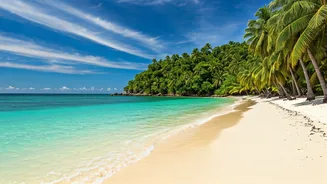
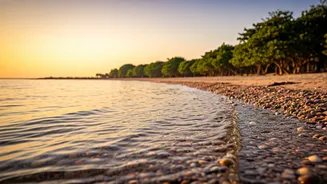
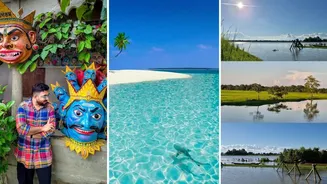
Goa, with its Portuguese-inflected charm and legendary nightlife, remains the undisputed king of Indian beach destinations. But the new wave of domestic tourism is about looking beyond the obvious. The real story is the meteoric rise of alternative coastlines. The Andaman and Nicobar Islands, an archipelago in the Bay of Bengal, are at the top of the list. With turquoise waters, white-sand beaches, and world-class scuba diving, they offer a Maldives-like experience without the international flight. Destinations like Havelock and Neil Island are becoming household names. Similarly, the pristine, sparsely populated islands of Lakshadweep are emerging as an exclusive, off-the-grid paradise. On the mainland, the tranquil backwaters and palm-fringed shores of Kerala, and the surf-friendly beaches of coastal Karnataka like Gokarna, are providing a more laid-back alternative to Goa’s high-energy vibe.
A New Wave of 'Desi' Pride
Ultimately, this trend is powered by a cultural shift. A new generation of Indian travelers, fueled by Instagram and a desire for authentic experiences, is embracing a sense of 'desi' pride. Seeing their own country is no longer a backup plan; it’s a primary aspiration. Influencers showcasing the stunning beauty of a hidden beach in Odisha or a surf camp in Tamil Nadu are driving millions of clicks—and bookings. This dovetails with a broader national sentiment of 'Vocal for Local,' a movement encouraging Indians to prioritize domestic products and services. For travel, this translates into a powerful desire to explore, appreciate, and spend money within one's own country. It’s a vote of confidence in India itself, a declaration that the best beach dreams might just be the ones closest to home.