






Chasing the Rains
For generations, travel in India followed a predictable rhythm dictated by the weather. Summer meant escaping the scorching heat by flocking to cooler hill stations. Winter was for desert safaris and coastal getaways. The monsoon season, however, from
roughly June to September, was a dead zone—a time of torrential downpours, potential floods, and canceled plans. It was the period you endured, not embraced. But for India’s millennials and Gen Z, the script has been completely flipped. Armed with disposable income, a hunger for unique experiences, and an Instagram feed to fill, they are actively seeking out the rain. Travel companies in India now report a massive spike in monsoon bookings, a season that was once written off. This isn't just a quirky trend; it’s a powerful symbol of a new mindset.
The Allure of the Offbeat
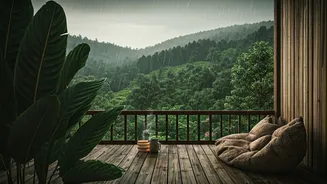
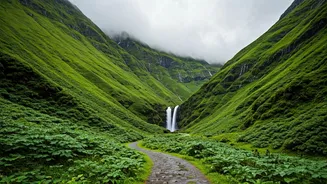
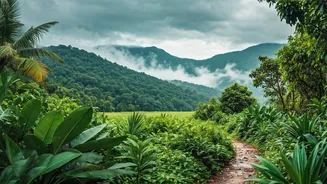
So, what’s behind the change? It’s a cocktail of economic and cultural factors. First, there’s the value proposition. Monsoon travel often means lower prices on flights and high-end hotels that are desperate to fill rooms during the traditional slump. For a young, budget-conscious traveler, this is a massive draw. But it’s more than just about saving a few rupees. It’s about authenticity. This generation is tired of the cookie-cutter vacation. They crave experiences that feel personal and look incredible on social media. The monsoon transforms familiar landscapes into something magical. The dusty hills of the Western Ghats erupt into a carpet of fluorescent green. Waterfalls that are mere trickles for eight months of the year become roaring spectacles. The washed-clean air, the smell of wet earth, and the dramatic, cloud-filled skies offer a sensory feast that a sunny beach day just can’t match. It’s about capturing a mood, not just a destination.
From Goa's Coast to Kerala's Backwaters
The destinations of choice reflect this desire for atmosphere. Goa, India’s famous beach state, which used to be a ghost town in July, is now a hotspot for monsoon tourism. Young travelers rent scooters to zip through lush green paddy fields, sit in cozy cafes listening to the rain, and enjoy the beaches without the overwhelming crowds of peak season. In the south, Kerala’s serene backwaters take on a mystical quality, with houseboat cruises gliding through misty canals. Hill stations like Lonavala near Mumbai or Munnar in Kerala become havens for “trek and chai” adventures, where groups hike to viewpoints shrouded in fog and reward themselves with hot tea. Even the desert state of Rajasthan sees a surge of visitors to cities like Udaipur, where the lakes fill up and the palaces are reflected in the shimmering water. This isn’t about sunbathing; it’s about mood-bathing.
A Barometer of a New India
This embrace of the monsoon is more than a travel fad; it’s a barometer of a changing India. It signifies a generation with more financial independence and personal freedom than their parents. Traditional family trips and religious pilgrimages are being supplemented, and often replaced, by spontaneous getaways with friends or partners. The rise of the gig economy and more flexible work-from-home policies, accelerated by the pandemic, has untethered many young professionals from a rigid office calendar. They can pack a laptop and work from a homestay with a mountain view just as easily as from their city apartment. This shift reflects a move away from purely functional travel towards travel as a form of self-expression and mental wellness—a break from the hustle of India's booming megacities. It’s a quiet declaration of independence, one rain-soaked road trip at a time.