
The Snack We All Fell For
Let’s be honest: at first, the idea of putting chili powder on a sweet, juicy piece of mango sounded a little strange to many Americans. Then we tried it. And we got it. That perfect, simple collision of sweet fruit and mild, tingly heat became a national
obsession. Dried chili-mango slices filled the bulk bins at Whole Foods and became a star at Trader Joe's. Mango-chili lollipops, sorbets, and hard seltzers followed suit. The flavor profile proved its power: it was exciting without being intimidating, a simple one-two punch of sugar and spice. This beloved duo walked so that a new generation of complex flavors could run.
Meet the Cooler, More Complex Cousin
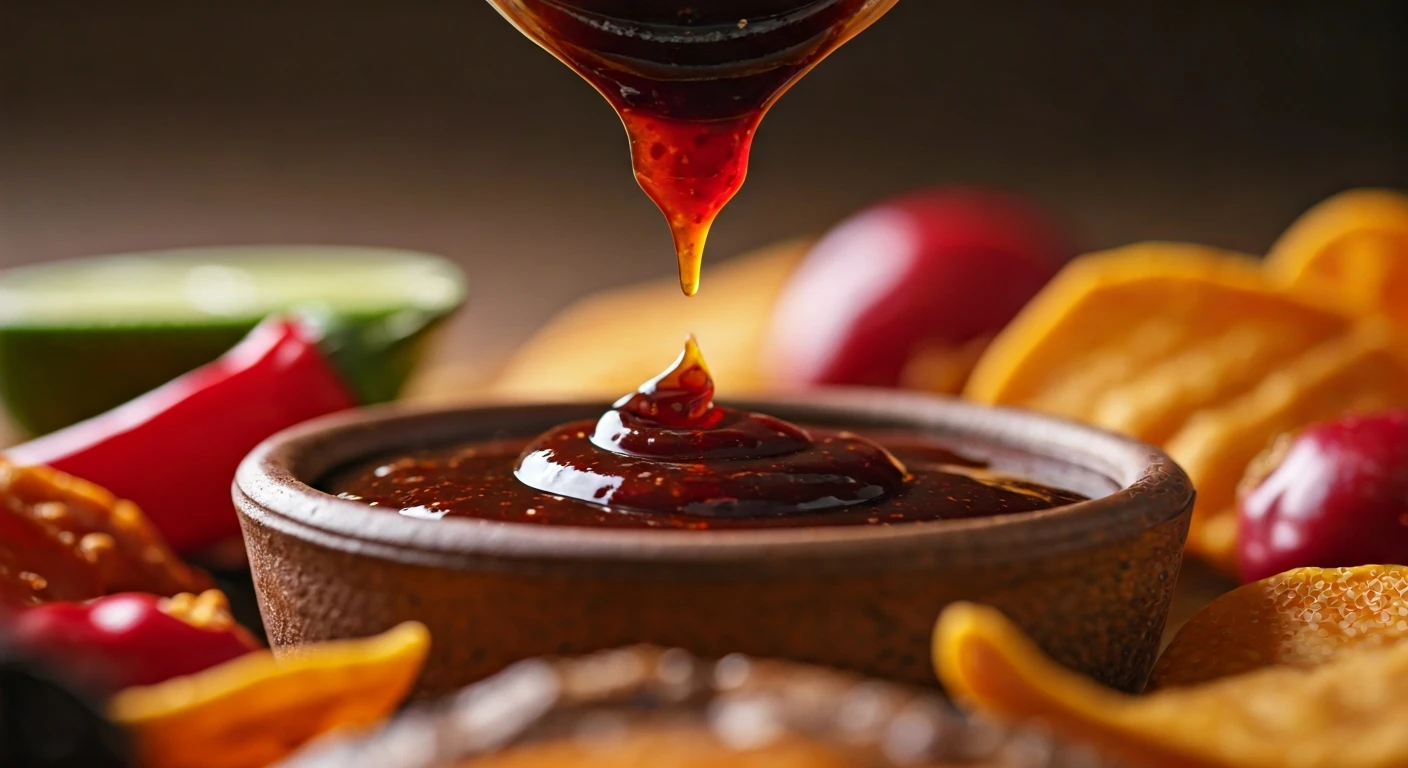
So who is this global cousin? Meet chamoy. If chili-mango is a simple, catchy pop song, chamoy is a full-blown symphony. Hailing from Mexico, chamoy isn’t just a powder; it’s a thick, vibrant red sauce that delivers a staggering quartet of flavors: salty, sweet, sour, and spicy. It’s typically made from pickled fruit like apricot, plum, or mango, which is blended with chili powders, salt, and lime juice. The result is a tangy, savory, slightly sweet, and gently spicy condiment that adds a completely new dimension to whatever it touches. It’s often paired with its trusty sidekick, Tajín, a popular brand of chili-lime-salt powder that adds an extra layer of zesty heat.
A Flavor with Deep Roots
While it might feel like a brand-new invention to many in the U.S., chamoy has a rich and fascinating history. Its story begins not in Mexico, but in China, with *see mui*, a dried, salted plum. This snack was brought to Mexico by Chinese immigrants, where it was adapted over time, morphing into what is now known as chamoy. For generations, it’s been a staple of Mexican snacking culture, drizzled over fresh fruit from street carts, rimming the glasses of micheladas and margaritas, and famously slathered on everything from green apples to gummy bears. Its recent explosion in the U.S. isn’t an invention, but a mainstream discovery of a flavor that has been loved for decades south of the border.
Why It's Exploding Now
The rise of chamoy is a perfect storm of cultural curiosity and digital influence. American palates have grown increasingly adventurous, moving beyond simple sweet and salty to embrace more complex profiles like umami and sour. But the real accelerant has been social media. On platforms like TikTok and Instagram, chamoy is a visual star. The sight of a giant pickle being wrapped in a Fruit Roll-Up, drenched in crimson chamoy, and dusted with Tajín is irresistibly clickable. These viral trends, from "chamoy pickles" to giant platters of "botanas," have introduced the flavor to millions of people who might never have encountered it otherwise, creating a powerful, bottom-up demand that food companies are now racing to meet.
How to Get Your First Taste
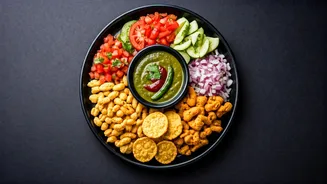
Ready to dive in? You no longer need to hunt for a specialty store. Bottles of chamoy and shakers of Tajín are increasingly available in the international aisles of major supermarkets. The easiest way to start is by recreating the classic street-cart experience: slice up some mango, pineapple, cucumber, or jicama and drizzle it with chamoy, a squeeze of fresh lime, and a sprinkle of Tajín. For the more adventurous, try it on gummy candies or even a light beer. It’s a flavor that invites experimentation. The combination of tangy, salty, and spicy enhances the sweetness of the fruit, creating a mouth-watering experience that chili-mango only hinted at.