

The New Trip Extension
First, bleisure trips are getting significantly longer. Before the pandemic, a typical bleisure add-on was a weekend. Now, professionals are extending trips by three, four, or even more days. According to recent travel industry data, a significant percentage
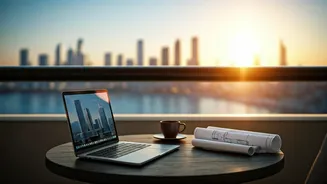
of business trips now include a leisure component, with many travelers using the opportunity to book week-long stays. The driver is obvious: the normalization of remote work. With companies embracing flexible policies, an employee can finish their Thursday meetings in Chicago and then work from a coffee shop or their hotel on Friday and Monday, all without dipping into precious PTO. This transforms a business trip from a frantic in-and-out obligation into a more immersive, less disruptive experience. It’s no longer about a quick vacation; it's about a temporary change of scenery while maintaining productivity, making the travel investment go further for both the employee and, in some cases, the employer who benefits from a happier, less burned-out team.
A 'Softer' Approach to the Itinerary
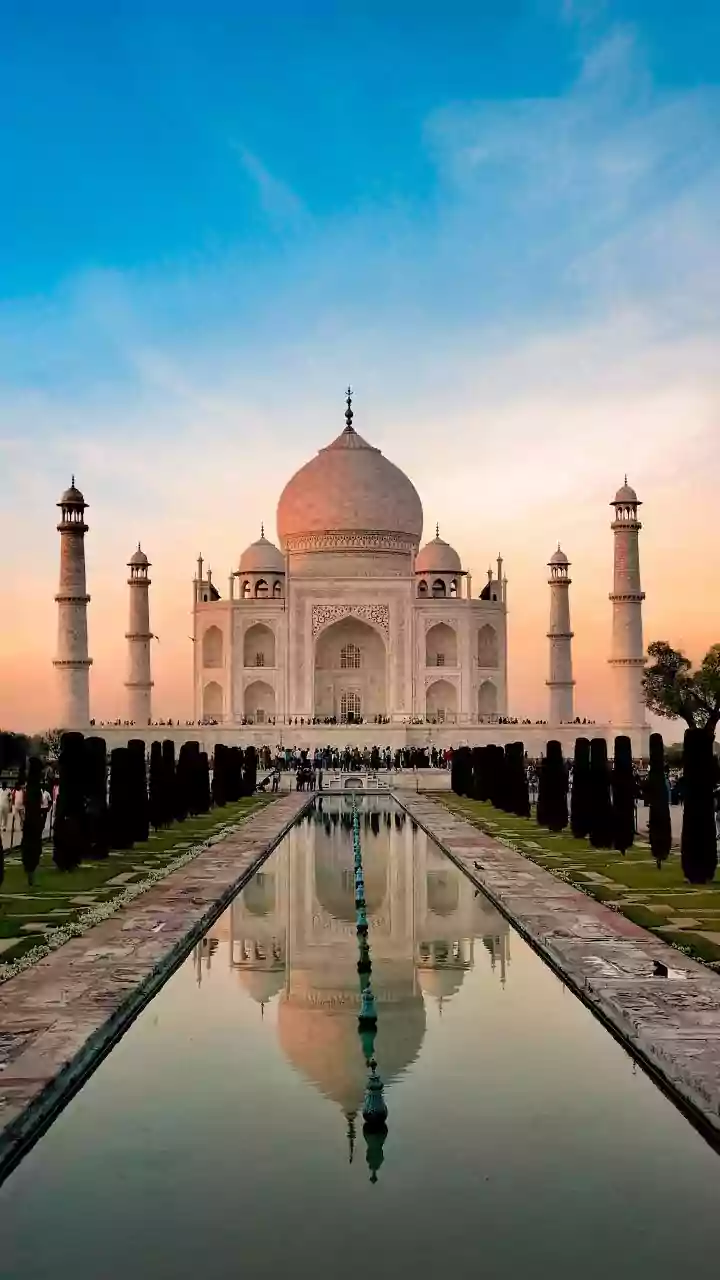
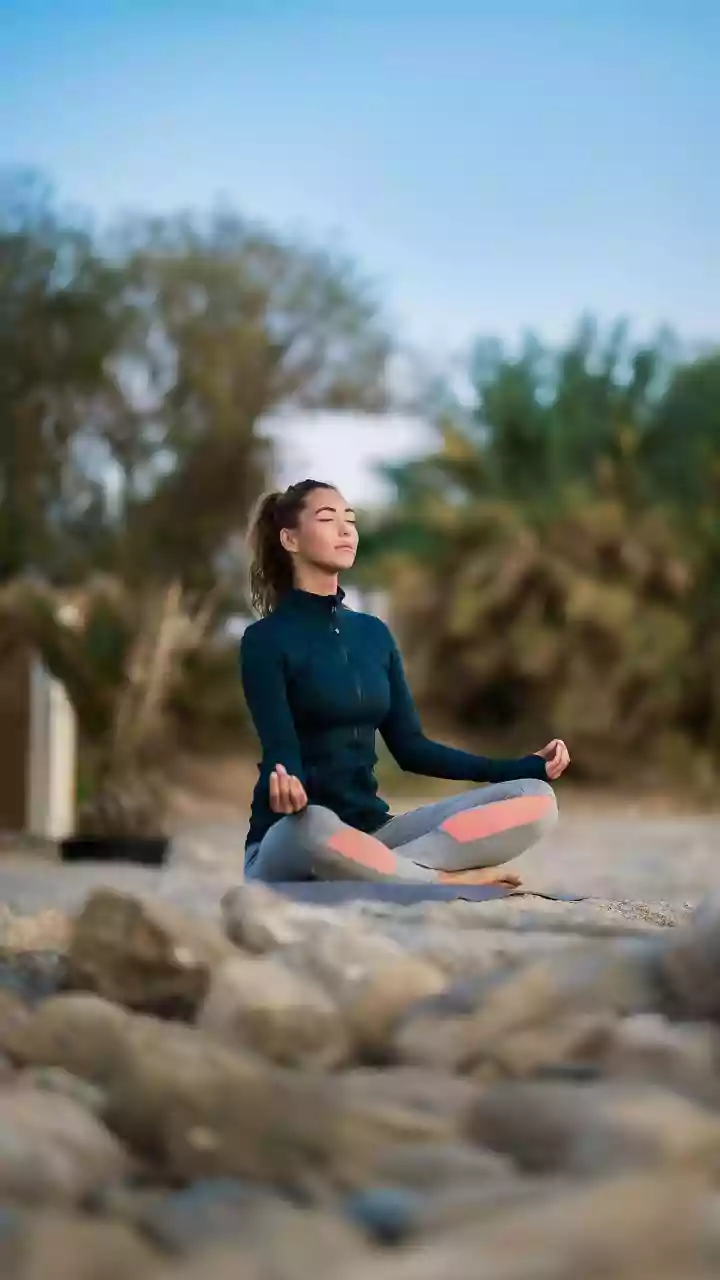
Beyond length, the very texture of these trips is getting 'softer.' The rigid, back-to-back scheduling of old-school business travel is giving way to a more fluid and humane itinerary. A 'soft' bleisure trip prioritizes unstructured time. This might mean blocking out an entire afternoon for a wellness activity, like a hike or a spa visit, instead of squeezing in one more optional meeting. It means choosing a hotel with a great pool to work from for a few hours. It also increasingly involves family. More bleisure travelers are bringing partners or children along, turning a solo work obligation into a shared experience. The focus is shifting from pure efficiency to overall well-being. This softness reflects a broader cultural pushback against hustle culture. Professionals are no longer content to see a new city only through the windows of a conference room and a taxi. They want to connect with the location, even if it's just by visiting a local market or finding a favorite neighborhood park.
The Upgrade to 'Fancier' Stays
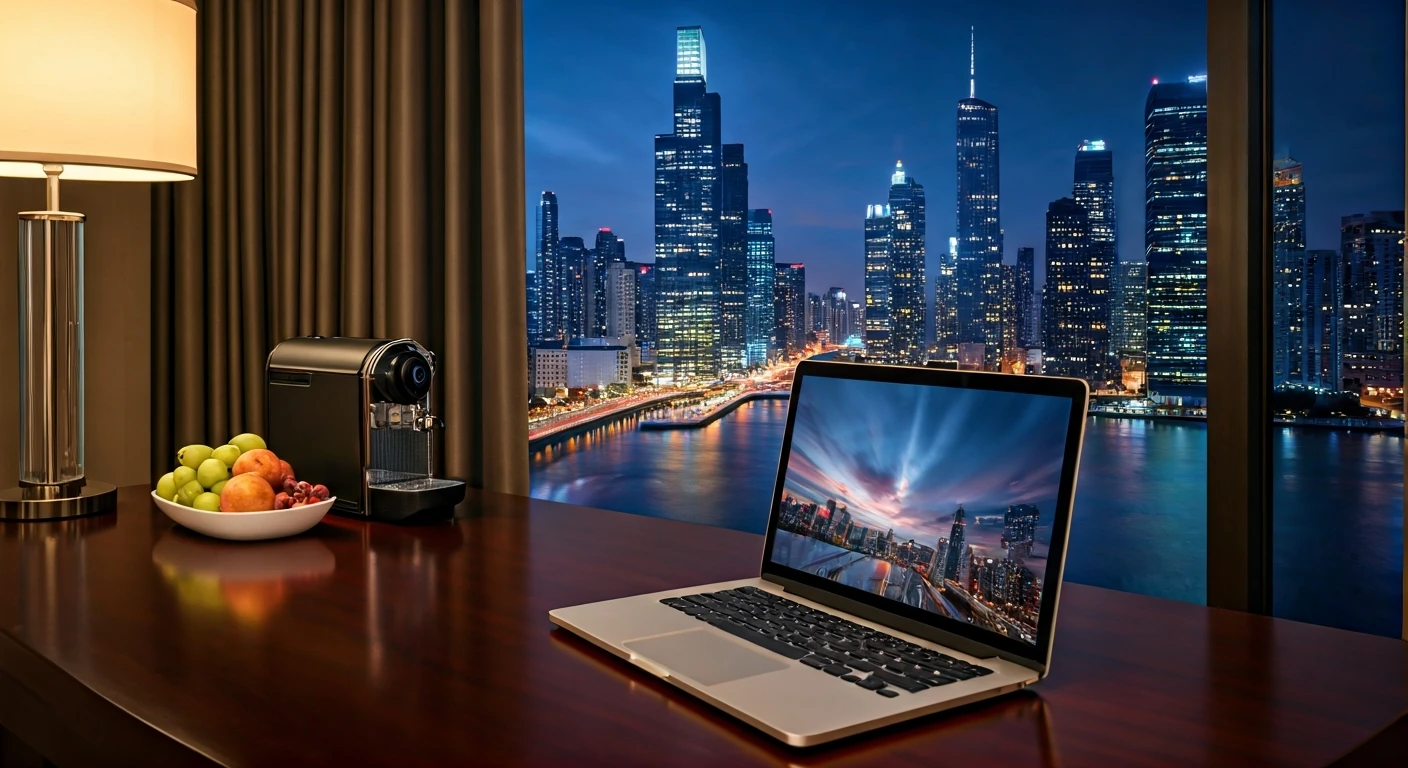
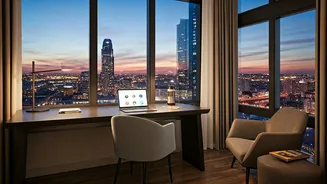
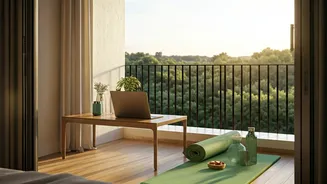
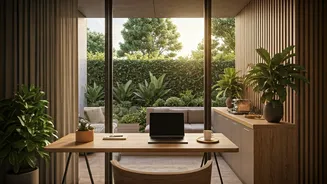
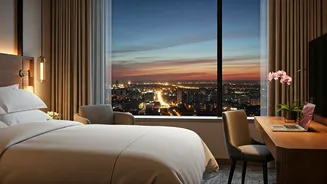
As trips get longer and softer, they’re also getting 'fancier.' The standard, cookie-cutter business hotel is losing its appeal. Bleisure travelers are increasingly opting for accommodations with more personality and better amenities. This includes boutique hotels, high-end apartment rentals, and properties that offer a distinct sense of place. When you’re spending a week somewhere instead of 48 hours, the quality of your environment matters more. A cramped room with a sad desk won’t cut it. Instead, travelers are looking for well-designed co-working spaces, high-quality fitness centers, kitchens or kitchenettes, and access to unique local experiences. Companies are also getting on board, sometimes approving higher travel budgets as a retention tool or a way to make business travel more appealing. This move toward 'fancier' travel isn’t about extravagance for its own sake; it’s a practical response to the new demands of working and living in the same space for an extended period.
Why This Trend Matters
This evolution of bleisure travel is more than just a travel trend; it's a direct reflection of the new contract between employees and employers. In the wake of the 'Great Resignation' and the widespread adoption of hybrid work, power has shifted. Employees now expect and demand greater flexibility and a better work-life balance. Bleisure, in its new, elevated form, is a perfect manifestation of this. For employees, it’s a way to combat burnout and make the hassle of travel worthwhile. For companies, it’s becoming a strategic tool for talent attraction and retention. By enabling and even encouraging longer, more comfortable bleisure trips, businesses can boost morale, improve employee well-being, and demonstrate a genuine commitment to flexibility. It signals a move away from seeing employees as cogs in a machine and toward valuing them as whole people with lives outside the office.