







Meet the Star: Rosemary Oil
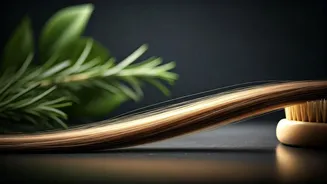
The ingredient you’re seeing everywhere—from TikTok tutorials to high-end salon treatments—is rosemary oil. While your mind might go straight to seasoning a roast, this fragrant herb’s essential oil has a long history in traditional medicine for its purported
stimulating and purifying properties. Its recent explosion in popularity is driven by a perfect storm: a collective desire for more natural beauty solutions, viral before-and-after videos showcasing impressive results, and a growing body of anecdotal and scientific evidence suggesting it might actually work for hair health.
The Science-Backed Potential
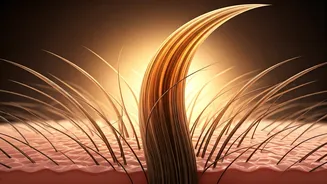
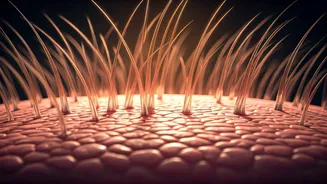
This isn't just wellness wishful thinking. The buzz around rosemary oil for hair growth gained significant credibility from a 2015 study that compared it directly to minoxidil 2% (the active ingredient in Rogaine). After six months, the group using rosemary oil saw a comparable increase in hair count to the minoxidil group, but with less scalp itching as a side effect. The theory is that a key component, carnosic acid, helps heal nerve and tissue damage and improve circulation. Better blood flow to the hair follicles means more oxygen and nutrients, which can potentially encourage healthier, stronger growth. It also has potent anti-inflammatory properties, which can help create a calmer, more hospitable environment for hair to thrive.
More Than Just Growth
Even if you’re skeptical about its growth-boosting claims, rosemary oil offers other compelling benefits. As an antioxidant, it can help protect hair from environmental stressors like pollution and UV radiation that lead to damage and dullness. Its antimicrobial and antifungal properties make it a great ally for scalp health, potentially helping to reduce dandruff, calm irritation, and manage excess oil. Many users report that regular use leaves their scalp feeling refreshed and their hair looking shinier and feeling softer, making it a worthy addition to a routine for its overall conditioning effects alone.
How to Use It Correctly
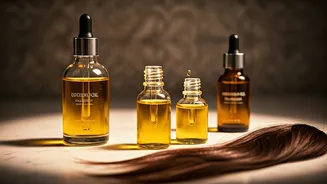
Getting started is simple, but there's a crucial first step: never apply pure rosemary essential oil directly to your scalp. It’s highly concentrated and can cause irritation. Instead, you have two main options. First, the DIY route: Dilute it. Add a few drops of rosemary essential oil to a carrier oil like jojoba, coconut, or argan oil. A good ratio is about 3-5 drops of rosemary oil per tablespoon of carrier oil. Massage this mixture into your scalp for several minutes, leave it on for at least 30 minutes (or even overnight), and then shampoo it out. Do this 1-3 times a week. Second, the simpler path: Buy a pre-made product. Many brands now offer hair oils, serums, and shampoos already formulated with rosemary oil, taking the guesswork out of dilution and application.
A Quick Reality Check
While promising, it's important to manage expectations. First, always do a patch test on a small area of skin to check for any allergic reaction before applying it all over your scalp. Second, consistency is key. Results, if they come, will take time—think three to six months of regular use before you might notice a difference. Finally, remember that hair loss and thinning are complex issues. While rosemary oil may help, it's not a guaranteed cure, especially for conditions related to genetics or underlying health issues. What works wonders for one person may not for another.