

From Fitness Fix to Mental Anchor
For years, the mainstream American narrative around yoga was primarily physical. It was about achieving a ‘yoga body,’ mastering a handstand for Instagram, or getting a high-intensity sweat in a heated room. While those elements haven’t vanished, the primary
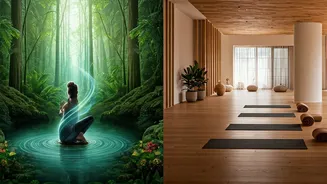
driver for its new wave of popularity is decidedly different: mental and emotional regulation. In the wake of a global pandemic that frayed our collective nervous systems, many are seeking practices that do more than burn calories. They want tools to manage anxiety, process stress, and feel grounded in their own bodies. Yoga, with its emphasis on breathwork (pranayama), mindfulness, and interoception (the sense of the internal state of the body), is perfectly positioned as an antidote to the chronic stress and digital overload of modern life. People aren't just coming for a workout; they're coming for a reset.
The Rise of 'Soft' and 'Slow' Practice
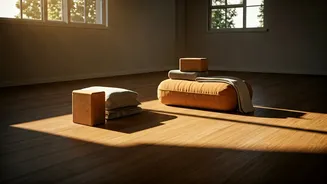
The culture of burnout is finally facing a backlash, and it’s showing up on the yoga mat. The ‘no pain, no gain’ ethos that dominated fitness for decades is giving way to gentler movements like ‘soft living’ and ‘cozy cardio.’ This shift has propelled slower, more restorative forms of yoga into the spotlight. While powerful Vinyasa flows still have their place, studios and apps are reporting a surge in interest for Yin yoga, which involves holding passive poses for long periods to target deep connective tissues. Likewise, Restorative yoga, using props like bolsters and blankets to completely support the body, is no longer a niche offering but a mainstream necessity. This new emphasis values rest as a productive and essential state, reframing the goal of yoga from mastery of difficult poses to the mastery of stillness and self-compassion.
New Forms, New Faces, More Access
The image of yoga is finally diversifying, making it more welcoming to people who previously felt excluded. The stereotypical yogi—thin, white, affluent, and hyper-flexible—is being replaced by a broader, more realistic representation of practitioners. Social media is now filled with instructors and students of all body sizes, ages, abilities, and backgrounds. This has been supported by the rise of specialized niches that address specific needs. Trauma-informed yoga, which creates a safe environment for those with a history of trauma, is becoming a standard certification. There are classes tailored for seniors, for athletes, for people in larger bodies, and for mental health. This move away from a one-size-fits-all model acknowledges that everybody—and every body—is different, making the practice more accessible and relevant than ever.
A Search for Real-World Community
After years of home workouts and digital-first interactions, Americans are craving genuine, in-person connection. The local yoga studio is re-emerging as a vital ‘third place’—a spot for community and belonging that isn't home or work. It's a place where you can be in the presence of others without the pressure to perform socially. The shared experience of breathing and moving together, even in silence, fosters a unique and powerful bond. In a society grappling with an epidemic of loneliness, the simple act of rolling out a mat next to a stranger and sharing a common intention provides a sense of community that a fitness app simply cannot replicate. This search for offline connection is perhaps the most telling reason yoga is resonating so deeply right now.