




From Decoration to Destination
So, what’s the big shift? Gardeners across the country are moving away from creating outdoor spaces that are purely decorative and toward designing habitats that are functional ecosystems. The trend is less about a specific 'look' and more about an intention:
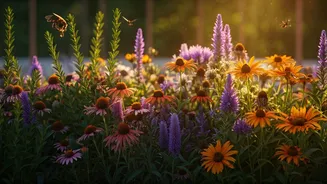
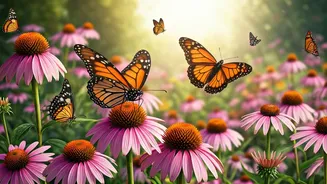
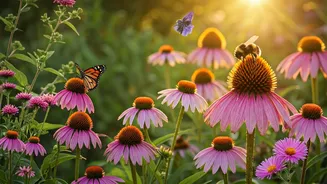
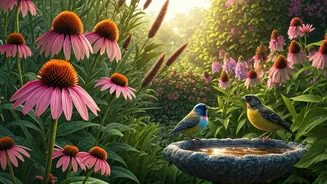
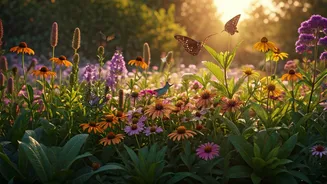
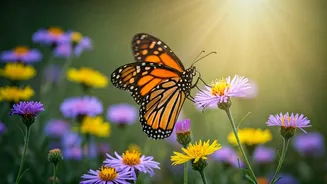
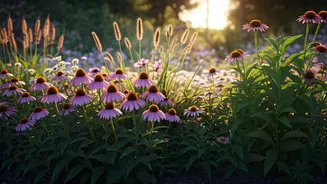
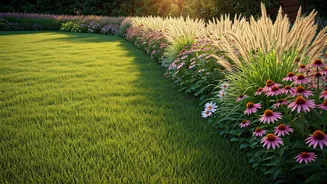
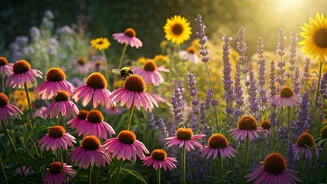
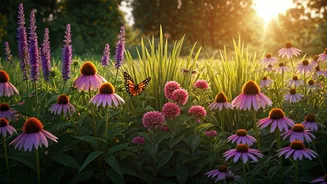
to create a garden that gives back. This often means focusing on pollinator-friendly and native plants to build a small-scale sanctuary for local wildlife like bees, butterflies, hummingbirds, and songbirds. Instead of a static display of perfectly manicured plants, this garden is alive with activity. It’s a dynamic, four-season show. One day, you might see a goldfinch feasting on coneflower seeds; the next, a monarch caterpillar munching on milkweed. It transforms your yard from a simple backdrop for your life into a destination—both for you and for the creatures you’re supporting. It’s about being a participant in your local environment, not just an observer.
The ‘Extra’ in Extra Rewarding
The deep satisfaction of this trend comes from its multi-layered rewards. First, there’s the simple, profound joy of seeing your garden hum with life. That first bee visiting your new salvia or the first butterfly landing on your Joe Pye weed feels like a personal thank you from nature itself. It’s a tangible result that connects you directly to the ecosystem you’re helping to restore, one square foot at a time. Beyond the daily theater of wildlife, there’s a powerful sense of purpose. In an era of headlines about habitat loss and declining insect populations, cultivating a native plant garden is a positive, tangible action you can take right outside your door. You’re not just growing plants; you’re providing crucial food, shelter, and breeding grounds for species that are struggling. This feeling of ecological stewardship—of being a part of the solution—is what elevates the experience from a simple hobby to something truly meaningful.
More Life, Less Work
Here’s the counterintuitive secret: a garden designed for wildlife is often much easier to maintain than a traditional, ornamental one. This isn't about fighting nature; it's about working with it. Native plants, by definition, are perfectly adapted to your local climate, soil, and rainfall patterns. Once established, they typically require less water, little to no fertilizer, and are more resistant to local pests and diseases. Forget the endless cycle of spraying, fertilizing, and fussing over delicate, non-native species. An ecosystem garden embraces a little bit of wildness. A few chewed leaves on your milkweed aren’t a flaw; they’re a sign of success—a caterpillar is getting its lunch! This approach frees you from the pressure of perfectionism and lets you spend less time on chores and more time simply enjoying the vibrant, buzzing, and chirping world you’ve helped create. It’s a shift from gardener-as-laborer to gardener-as-curator.
Getting Started Is Surprisingly Simple
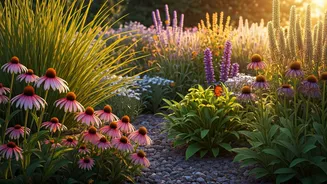
The beauty of this trend is its accessibility. You don’t need a huge yard or a degree in botany. You can start small—really small. A few pots on a balcony with native nectar plants like bee balm or asters can become a vital refueling station for pollinators. You can dedicate a small patch of your lawn to a 'pocket prairie' of native grasses and wildflowers. The key is to begin. Start by identifying a few native plants for your specific region. Resources like the National Wildlife Federation’s Native Plant Finder or the Xerces Society’s pollinator conservation guides make this easy. Add a simple water source, like a shallow bird bath with some stones for insects to land on. Most importantly, avoid using pesticides. The goal is to invite life in, not push it away. Even a single native plant is a step in the right direction, an open invitation to the nature that’s already in your neighborhood.