




Strength Starts at the Source
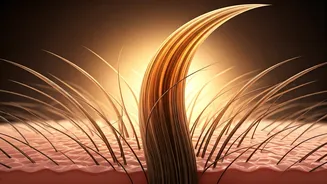
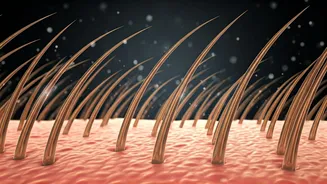
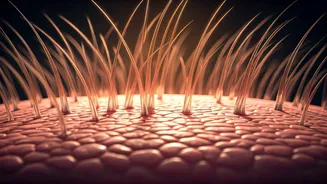
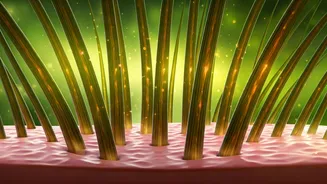
We spend so much time focused on the strands we can see that we often forget where they come from: the scalp. Healthy hair growth is impossible without a healthy foundation. Think of your scalp as the soil and your hair as the plant. A clean, well-nourished,
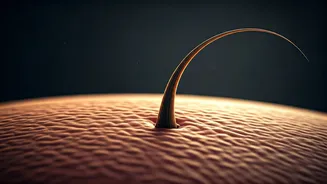
and balanced scalp provides the best environment for your hair follicles—the tiny pockets in your skin that grow hair—to do their job effectively. Buildup from products, oils, and dead skin cells can clog follicles and impede growth, while poor circulation can mean fewer nutrients reach the hair root. Gentle, regular cleansing and occasional scalp massage to boost blood flow are not just relaxing; they’re fundamental to building stronger hair from the ground up.
You Are What You Build With
Hair is not a living tissue once it leaves the scalp. It's primarily made of a protein called keratin. You can't change the composition of the hair you already have, but you can give your body the right materials to build stronger new hair. A balanced diet is your number one tool. Protein is non-negotiable; without enough of it, your body will ration it for more essential functions, and hair growth will suffer. Beyond that, key nutrients like iron (which helps red blood cells carry oxygen to your follicles), zinc (which plays a role in hair tissue growth and repair), and B vitamins like biotin are crucial. While biotin supplements are heavily marketed, true deficiency is rare in the U.S. Focusing on a diet rich in eggs, fish, nuts, spinach, and lean meats often provides everything you need without the extra pills.
The Damage We Do Every Day
The most common culprit behind weak, breaking hair isn’t a deficiency—it’s physical and chemical damage. Each hair strand has a protective outer layer called the cuticle, which looks like overlapping shingles on a roof. High heat from styling tools, chemical treatments like bleach and relaxers, and even vigorous towel-drying can lift and break those shingles, exposing the fragile inner core of the hair. This leads to split ends, frizz, and breakage. The same goes for mechanical stress. Hairstyles that pull tightly on the scalp, like high ponytails or tight braids, can cause a type of hair loss called traction alopecia over time. The goal isn't to stop styling your hair, but to be mindful. Use heat protectant, turn down the temperature on your tools, and give your hair a break from constant tension.
What Products Can (and Can't) Do
The hair-care aisle promises to “repair,” “restore,” and “rebuild.” It’s important to understand what that really means. A conditioner or hair mask can't magically fuse a split end back together. Once the hair is split, the only real solution is to cut it off. What these products *can* do is temporarily smooth the cuticle, reduce moisture loss, and add a protective coating that makes hair feel smoother and less prone to further damage. Think of it like this: shampoo is for your scalp, and conditioner is for your strands. Look for moisturizing ingredients like glycerin and fatty alcohols, and proteins that can temporarily patch weak spots. But view them as protective maintenance, not a cure. A great conditioner is essential for preventing future damage, but it can’t undo the past.
Adopt Smarter, Gentler Habits
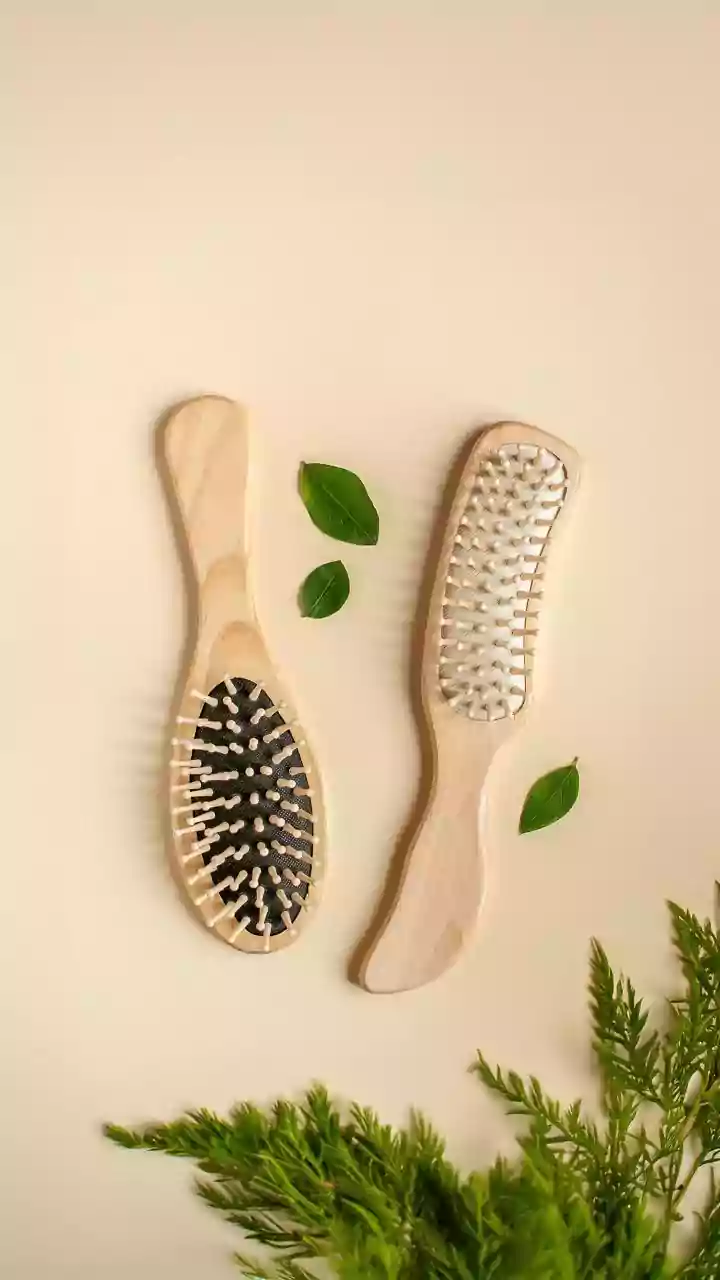
Small changes in your routine can have a big impact. When your hair is wet, it’s at its most fragile. Instead of rubbing it with a coarse towel, gently squeeze out excess water with a soft t-shirt or a microfiber towel. Detangle with a wide-tooth comb, starting from the ends and working your way up to the roots to minimize pulling and snapping. And yes, regular trims matter. They don't make your hair grow faster from the root, but they prevent split ends from traveling up the hair shaft, which would force you to cut off more hair later to keep it looking healthy. Protecting your hair at night by sleeping on a silk or satin pillowcase can also reduce friction and breakage while you toss and turn.