
The Original Masterpiece
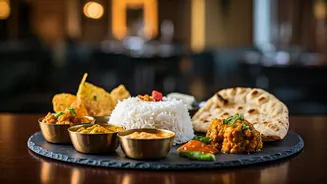
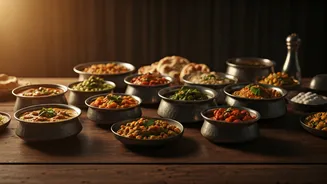
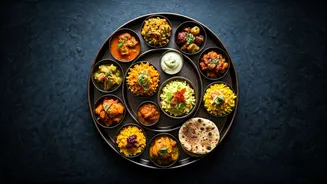
First, you have to understand the classic. A thali is more than just a meal; it's a philosophy on a platter. Traditionally served on a round metal tray, it’s a complete, self-contained universe of flavors and textures. You’ll find a selection of small
bowls (katoris) filled with a variety of dishes surrounding a mound of rice or flatbread. The genius of the thali lies in its balance. It’s a carefully curated map of the six tastes central to Ayurvedic principles: sweet, sour, salty, bitter, pungent, and astringent. A typical thali might include a lentil dal, a seasonal vegetable preparation, a tangy yogurt raita, a sour pickle, a crisp papadum, and a sweet dessert. Each region of India has its own version, from the vegetarian Gujarati thali with its sweet and savory notes to the fiery Rajasthani thali featuring robust meats and grains. It’s a perfect, harmonious system designed to satisfy every part of the palate.
Dropping the New Beat
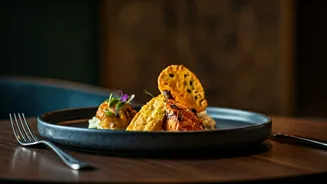
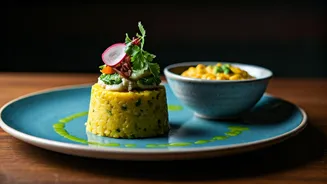
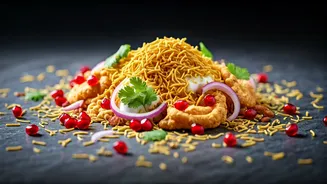
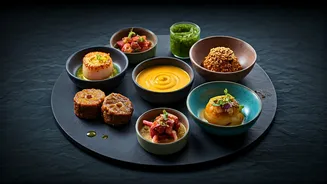
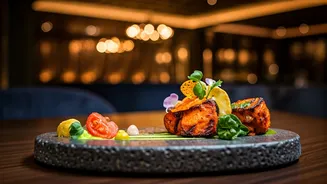
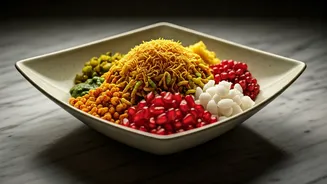
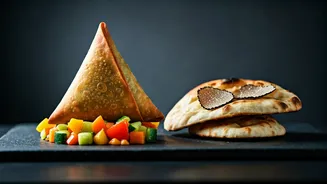
So how do you remix perfection? The new guard of Indian chefs isn’t tearing down the temple; they’re building exciting new wings. A “thali remix” is about taking the core principles of the original—balance, variety, and a journey of flavors—and reinterpreting them through a modern lens. This can take many forms. Some chefs deconstruct it, presenting the meal as a multi-course tasting menu where each course represents an element of a traditional thali. Imagine a tiny, intensely flavored dal “shot” instead of a bowl, or a delicate foam that captures the essence of a chutney. Others play with form and presentation, arranging the components with minimalist, fine-dining precision. You might see a single ingredient, like the humble potato or cauliflower, showcased in five or six different ways on one plate, each preparation representing a different taste profile. It's a move away from the purely rustic and toward a more intentional, narrative-driven dining experience.
A Global Phenomenon
This creative explosion isn’t happening in a vacuum. It’s driven by a generation of Indian chefs who trained in Michelin-starred kitchens around the world and are now returning to their roots with newfound confidence and technique. They are no longer content to simply replicate grandmother’s recipes for a Western audience. Instead, they’re engaging in a dialogue with their own culinary heritage. This trend is visible from high-end restaurants in Mumbai and New Delhi to innovative Indian kitchens in New York, London, and Dubai. Diners, too, have changed. Thanks to travel and the internet, the American palate is more sophisticated than ever. We’re no longer just looking for chicken tikka masala; we’re curious about regional specificity, historical recipes, and the personal stories of the chefs. The thali remix perfectly meets this moment, offering something that feels both authentically Indian and thrillingly new.
Why It's a '2026 Idea'
Calling this a “2026 Idea” isn’t about a specific date; it’s about a trajectory. This trend represents the next chapter for Indian food on the global stage. For decades, much of the Indian food available in the U.S. was a simplified, one-size-fits-all version. The thali remix shatters that. It celebrates nuance, champions creativity, and respects the intelligence of both the chef and the diner. It proves that Indian cuisine is not a static museum piece but a living, breathing art form that can evolve without losing its soul. As this idea continues to blossom over the next few years, it will further cement Indian food’s place not just as a beloved comfort food, but as a global leader in culinary innovation and artistry. It’s a statement that the future of fine dining can be found on a platter that has been part of Indian homes for centuries.