



Embrace Stillness at a City Temple
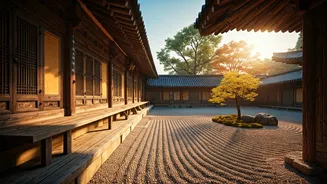
Long before Seoul's subways fill and its streets begin to hum, a different kind of sound can be heard at its urban temples. Places like Bongeunsa in Gangnam or Jogyesa near Insadong offer a profound sense of peace as the day begins. In the crisp air,
you can hear the deep, resonant chants of resident monks, the gentle sweeping of courtyard stones, and the soft rustle of prayer flags. Attending a pre-dawn or early morning ceremony is less a tourist activity and more a chance to participate in a living tradition. You don’t need to be Buddhist to appreciate the meditative atmosphere. Watching the sunrise illuminate the intricate patterns of a temple roof, with the silent backdrop of a waking metropolis, provides a powerful and centering start to any day.
Hike a Mountain Before the Crowds
Hiking is practically a national pastime in Korea, and for good reason—70% of the country is mountainous. While trails can get busy on weekends, an early weekday morning climb is a completely different experience. In Seoul, the trails of Bukhansan National Park are easily accessible by public transit. Starting your hike in the pre-dawn darkness, equipped with a headlamp, you’ll join a small, dedicated fellowship of local ajummas and ahjussis (older Korean women and men) making their daily pilgrimage. The shared sense of purpose is quiet and respectful. The reward for your effort isn't just the panoramic view of the city as the sun breaks through the morning haze; it's the profound silence, the scent of pine, and the feeling of having the world at your feet before it has even had its first cup of coffee.
Be the First at the Palace Gates
The grand palaces of Seoul, like Gyeongbokgung or Changdeokgung, are magnificent historical treasures that draw enormous crowds by midday. But if you arrive just before the 9 a.m. opening, you can experience them as they were meant to be: vast, regal, and serene. Being one of the first people to step into the main courtyard of Gyeongbokgung is a breathtaking moment. For a short while, you can wander through the expansive grounds, past the royal quarters and lotus ponds, with only the sound of your own footsteps on the gravel. It’s an opportunity to appreciate the scale and symmetry of the architecture without jostling for a photo, allowing you to imagine the quiet court rituals that once took place in these very spaces.
Find Calm in a Traditional Teahouse
While many cafes are part of Korea’s vibrant, fast-paced coffee culture, the traditional teahouse, or *dawon*, offers a portal to a slower world. Seek one out in a quiet neighborhood like Insadong or Bukchon Hanok Village in the morning. Stepping inside a classic teahouse often feels like entering a private home. You’ll be invited to remove your shoes and sit on floor cushions in a room filled with the scent of dried herbs and wood. The experience is not just about the drink; it’s a ritual. Taking the time to slowly sip a fragrant jujube tea or a subtly bitter green tea encourages mindfulness. It’s a gentle, restorative act that forces you to unplug from the rush outside and connect with a more tranquil rhythm.
Wander a Local Morning Market
Night markets like Myeongdong get all the fame, but the real heart of local life is often found in the morning markets that serve residents. Places like Gyeongdong Market in Seoul come alive in the early hours, not with tourists, but with vendors meticulously arranging their produce and shoppers looking for the freshest ingredients for the day's meals. The energy here isn’t frantic; it’s purposeful. It’s a symphony of quiet negotiations, the smell of fresh tofu and herbs, and the vibrant colors of seasonal fruits and vegetables. Wandering the aisles as a respectful observer provides an authentic glimpse into the daily routines that sustain the city—a refreshingly real experience far from the curated tourist track.