




The Town That Time Forgot
Tucked just above the bustling Indian hill station of Mussoorie is Landour, a place that feels less like a destination and more like a discovery. Established as a cantonment for the British military in the 1820s, Landour has managed to retain its colonial-era
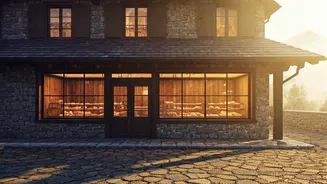
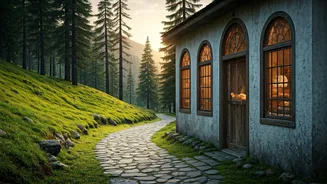
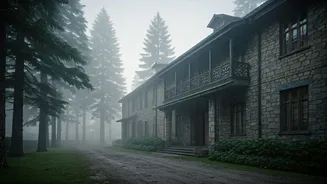
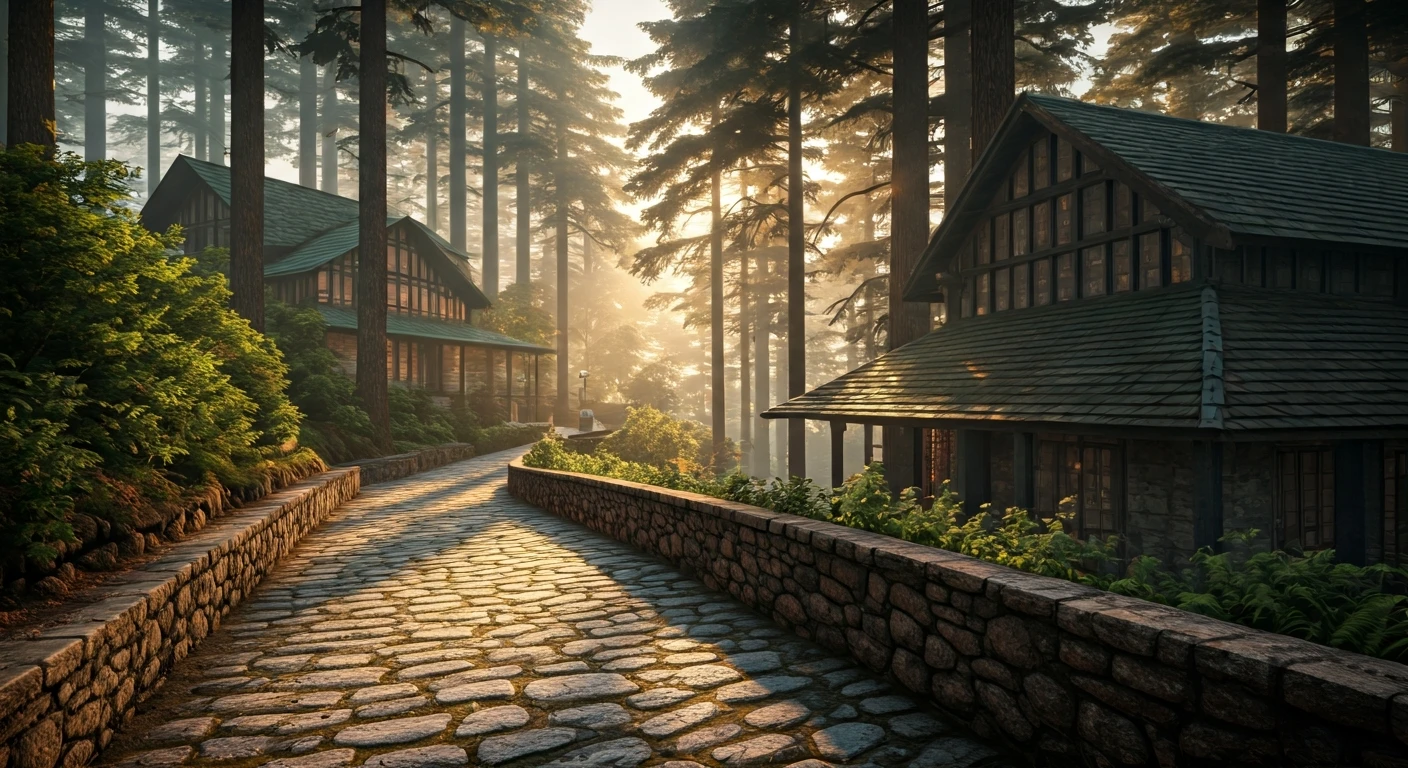
charm by largely resisting the rampant commercialization that has overtaken its more famous neighbor. While Mussoorie's Mall Road throbs with tourists, souvenir shops, and traffic jams, Landour operates at a different frequency altogether. Here, there are no sprawling hotel complexes or noisy amusement arcades. Instead, you'll find winding, pine-scented roads, historic churches, and ivy-covered stone cottages that whisper tales of a bygone era. It's not a place you come to *do* things; it's a place you come to simply *be*.
Life in the Slow Lane
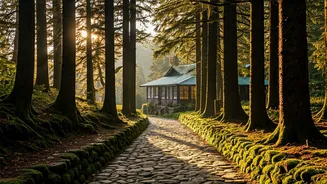
The primary activity in Landour is walking. The town is built around a figure-eight loop of two main roads—Upper and Lower Chukker—that offer breathtaking, panoramic views of the Garhwal Himalayas on a clear day. A stroll here isn't just a means of getting from one place to another; it's the main event. You'll meander past historic homes with names like “The Parsonage” and “Kenilworth,” nod at the few other walkers you encounter, and find your rhythm dictated by the gentle mountain inclines, not a packed itinerary. This deliberate pace is the essence of Landour’s appeal. It’s a forced deceleration, a chance to disconnect from the digital noise and reconnect with the simple pleasure of putting one foot in front of the other, with nothing but the sound of the wind in the deodar trees for company.
Cozy Cafes and Literary Ghosts
For a town so small, Landour has an outsized cultural footprint, thanks in large part to its most famous resident, the celebrated author Ruskin Bond. His presence has turned this quiet hamlet into a pilgrimage site for book lovers, adding a layer of literary mystique to the mountain air. The social heart of the town isn't a bar, but a tiny cluster of shops known as Char Dukan (literally “Four Shops”). Here, travelers and locals gather for pancakes, waffles, and ginger-lemon-honey tea, engaging in quiet conversation while gazing at the snow-capped peaks. A short walk away is the Landour Bakehouse, a restored 19th-century establishment serving sticky-toffee pudding and fresh-baked bread. These aren’t flashy tourist traps; they are cozy, authentic spaces that encourage lingering, reading, and savoring the moment—the very definition of anti-chaos.
Choosing Serenity Over Spectacle
Opting for Landour is a conscious choice. It means trading the convenience and variety of a large tourist town for something more intentional and infinitely more peaceful. Accommodations are limited primarily to historic guesthouses and a few boutique properties, which naturally keeps the crowds at bay. There is no central market to browse, no checklist of sights to conquer. The trip’s success is measured not in photos taken or souvenirs bought, but in moments of quiet reflection. It’s the perfect antidote for the modern traveler suffering from destination fatigue—the exhaustion that comes from vacations that feel more like work. Landour reminds you that the greatest luxury isn't five-star service, but five-star silence.