



The Viral Video That Started It All
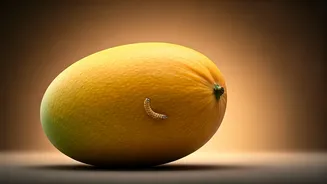
It began, as these things often do, on social media. Videos claiming to show worms in the mango pulp used for a major juice brand spread like wildfire, primarily originating from and focused on products in India. The company vehemently denied the claims,
assuring customers of its rigorous quality checks. But in the digital age, a visceral image is more powerful than a press release. The damage was done. For millions of American consumers, the incident planted a seed of doubt not just about one brand, but about the entire category. If something that gross could allegedly make it into the supply chain, what else was hiding in our food? The unsettling visuals forced a question many of us prefer not to ask: How clean is the fruit that becomes our juice?
Your Juice Isn't 'Raw' for a Reason
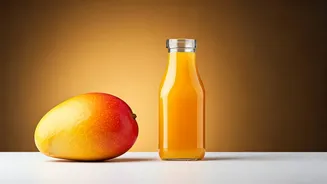
Here’s the good news: your carton of mango juice isn’t just mashed-up fruit poured into a box. It goes through a critical safety step called pasteurization. The most common method involves heating the juice to a specific temperature for a set period to kill off harmful bacteria, yeasts, and molds. This process is a non-negotiable pillar of modern food safety, preventing illnesses from pathogens like E. coli and Salmonella. More recently, a method called High-Pressure Processing (HPP) has become popular with premium juice brands. Instead of heat, HPP uses immense pressure to neutralize contaminants while preserving more of the juice's fresh flavor and nutrients. On top of that, industrial-scale production involves multiple stages of filtering, sieving, and inspection. While no system is perfect, the journey from fruit to carton is designed with a primary goal in mind: to eliminate the exact kind of biological contaminants seen in those viral videos long before the product reaches a consumer.
The FDA’s Unappetizing Little Secret
Ready for a dose of reality? The Food and Drug Administration (FDA) understands that in agriculture, absolute purity is impossible. A farm is not a sterile laboratory. To that end, the agency maintains something called the "Food Defect Levels Handbook." This official document outlines the maximum allowable levels of "natural or unavoidable defects in foods that present no human health hazards." In plain English, it's a list of acceptable amounts of insect fragments, rodent hairs, and mold. For example, the FDA permits an average of up to 10 fly eggs or one maggot per 100 grams of drained canned tomatoes. For citrus juice, the limit is five fly eggs per 250 ml. It sounds disgusting, but these are microscopic, trace amounts that are harmless when consumed. The handbook exists not to allow dirty food, but to set a realistic, science-based standard. It's a pragmatic acknowledgment that your food comes from the earth, not a cleanroom.
Why 'Clean' and 'Transparent' Are In
The mango incident didn’t happen in a vacuum. It landed in a consumer culture already trending toward radical transparency. We’ve all seen it: the QR codes on packaging that trace a tomato back to its farm, the marketing language boasting of "single-origin" coffee, and the rise of the "clean label" movement, where shoppers favor products with short, recognizable ingredient lists. The viral videos simply supercharged this trend. Suddenly, juice safety became a hot topic. Consumers aren't just trusting the system anymore; they want proof. They want to know about the pasteurization method. They’re scrutinizing country-of-origin labels. This new wave of informed skepticism is forcing brands to work harder to earn trust. Being safe is no longer enough; you have to be seen to be safe. It’s no longer just about quality control in the factory, but about telling a compelling story of that quality to the person in the grocery aisle.