





The Great Visa Fatigue
Imagine saving up for a dream vacation, only to face a bureaucratic wall that can take over a year to climb. This is the reality for many Indians hoping to visit the United States or Europe. The application process for a U.S. visitor visa, for example,
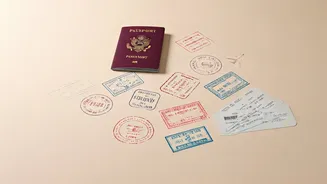
has become infamous for its complexity, high fees, and, most notably, excruciatingly long wait times for an in-person interview—at times stretching beyond 500 days in major Indian cities. The Schengen visa for Europe presents similar hurdles: mountains of documentation, from bank statements and employment letters to detailed itineraries, with no guarantee of approval. This phenomenon, dubbed “visa fatigue,” has left many aspiring travelers feeling frustrated and disrespected. They possess the funds and the desire to explore, but are met with a system that often seems designed to deter them.
Meet India’s New Explorers
This bureaucratic friction is clashing with a powerful demographic shift. India’s millennial and Gen Z population is now entering its prime earning years. Armed with disposable income and a worldview shaped by social media, they prioritize experiences over possessions. They see Instagram feeds filled with stunning landscapes in Vietnam, beach parties in Thailand, and serene getaways in the Maldives, and they want in. Unlike previous generations who might have planned a single, monumental trip abroad every few years, this cohort values spontaneity. They want to book a long-weekend trip on a whim. The months-long, nail-biting visa process for Western countries completely undermines this desire for flexible, accessible travel. They aren’t just looking for a vacation; they're looking for freedom and ease, and they're voting with their passports.
The Welcoming Committee
Sensing a massive opportunity, several countries, particularly in Southeast Asia and the Middle East, have rolled out the red carpet. Nations like Thailand, Malaysia, and Sri Lanka have recently announced temporary or permanent visa waivers for Indian citizens. Others, including Indonesia, the Maldives, and Kenya, offer straightforward visa-on-arrival policies. For an Indian traveler, the difference is night and day. Instead of spending months gathering documents for a chance at a U.S. visa, they can book a flight to Bangkok and walk through immigration in minutes. Travel agencies in India report staggering surges in bookings to these destinations, often immediately following a visa-free announcement. These countries aren't just gaining tourists; they're gaining a reputation as welcoming and smart, directly capitalizing on the West’s administrative gridlock.
More Than Just Lost Tourist Dollars
The implications of this trend extend far beyond tourism revenue. When a young Indian professional’s first several international trips are to Dubai, Singapore, and Bali, their travel habits, brand loyalties, and perceptions of the world are shaped accordingly. They build familiarity and comfort with these regions, making them more likely to return for leisure, business, or investment. Meanwhile, the U.S. and Europe risk becoming an afterthought, associated not with aspiration but with frustration. By making entry so difficult, they are effectively losing a generation of potential visitors who are forming their lifelong travel patterns right now. This is a story of soft power in action: the countries that make people feel wanted are the ones that win their attention and their spending money.