

The End of the Checklist Vacation
Remember the old vacation model? It was a mission, a checklist. See the Eiffel Tower, check. Visit the Colosseum, check. Snap a photo in front of the Statue of Liberty, check. This approach treated travel like a scavenger hunt for iconic backdrops, often
leaving little room for spontaneous discovery or genuine connection. While these landmarks haven't lost their allure, their role in our travel plans is changing. The pressure to simply 'collect' sights is being replaced by a deeper desire for personal enrichment and unique experiences. Travelers are realizing that the most memorable moments often happen between the big monuments—in a quiet café, on a scenic trail, or during an unexpected conversation with a local.
The Allure of the Authentic Aisle
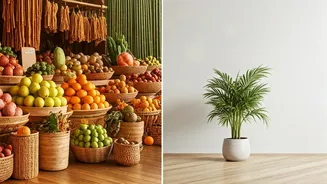
Enter the local market. Whether it's a bustling food market in Bangkok, a fragrant spice bazaar in Marrakech, or a quirky flea market in Brooklyn, these venues have become destinations in their own right. Why? Because they offer a direct, sensory-rich portal into a place's culture. Instead of buying a mass-produced souvenir from a gift shop, travelers can buy handmade pottery directly from the artisan who made it. They can taste produce grown in the surrounding hills, learn the story behind a local cheese, and absorb the rhythm of everyday life. This is the search for authenticity in action. It’s an interactive, unscripted experience that feels more personal and meaningful than standing in a roped-off line at a museum. The souvenir is no longer just an object; it’s the story, the taste, and the memory attached to it.
The Rise of the Wellness Itinerary
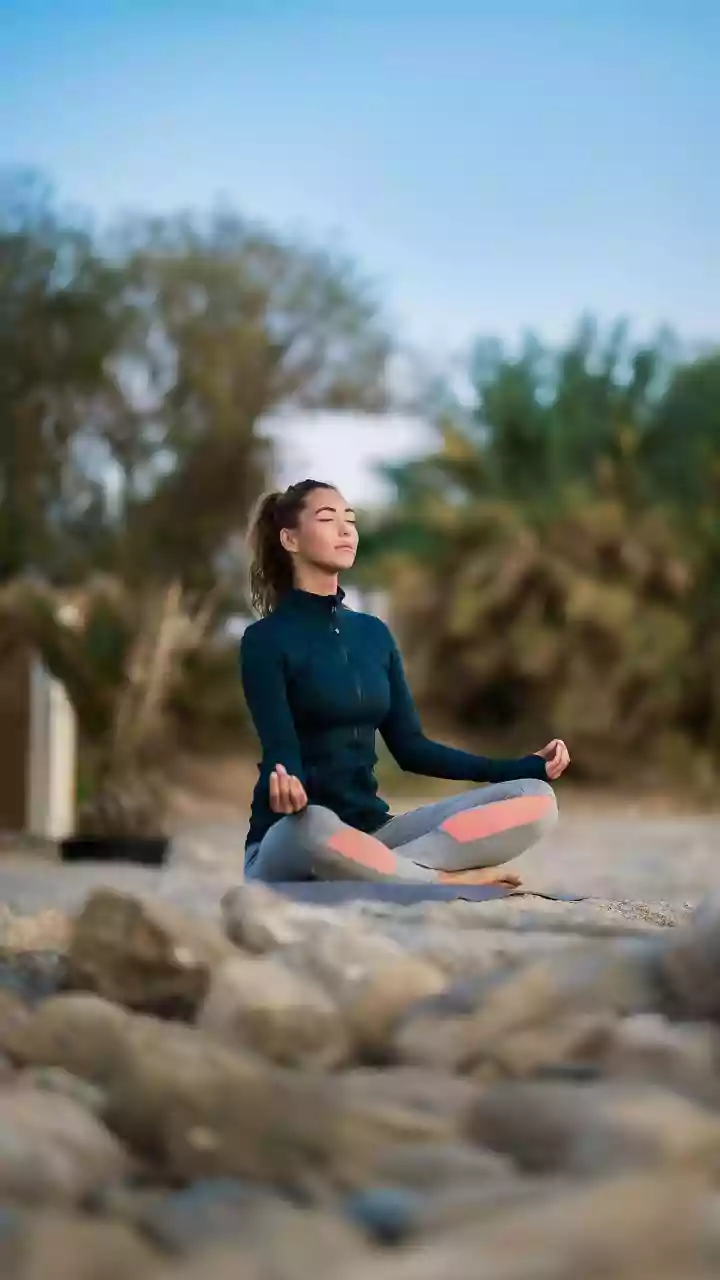
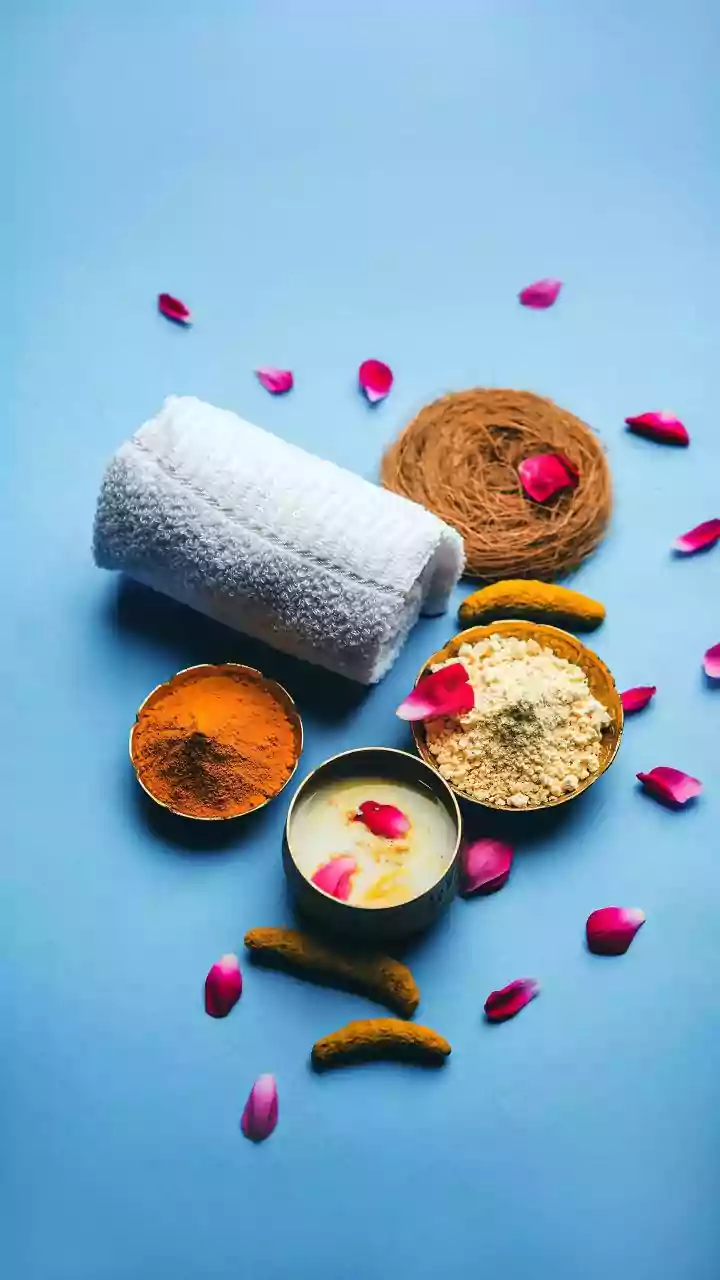
On the other side of the experiential coin is the wellness boom, which has completely reshaped the travel landscape. This isn't just about luxury spas anymore. Wellness travel now encompasses everything from yoga retreats in Costa Rica and silent meditation courses in the Catskills to backcountry hiking trips and beachfront bootcamps. For many, a vacation is no longer an excuse to indulge, but an opportunity to reset, recharge, and return home healthier than when they left. This trend is a direct response to our increasingly high-stress, always-on modern lives. People are using their precious time off not to escape reality with a flurry of activity, but to reconnect with themselves. A successful trip is measured not by how much you did, but by how you feel afterward: restored, centered, and renewed.
Why We're Trading Sightseeing for Self-Care
This fundamental shift is driven by a convergence of cultural forces. First, social media has transformed from a platform for showing off where you’ve been to a space for sharing *what you’ve done*. A photo of you mastering a new yoga pose or rolling pasta by hand tells a more engaging story than another picture of a famous statue. Second, a pervasive culture of burnout has made restorative travel not just a luxury, but a necessity for mental and physical health. Finally, there's a growing sense, particularly among younger generations like Millennials and Gen Z, that true value lies in experiences, not possessions. In a world of digital clutter, a tangible skill, a quiet mind, or a genuine human connection has become the ultimate travel goal.