

The Myth: It's All Heavy and Indulgent
Let’s get this out of the way: the Desi food many Americans know is a specific, celebratory style of cooking. The rich kormas, creamy butter chicken, and pillowy naan served in restaurants are fantastic, but they are not the everyday reality for hundreds
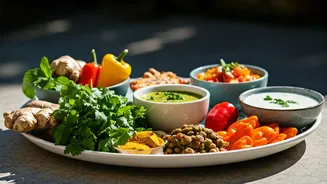
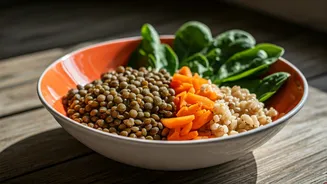
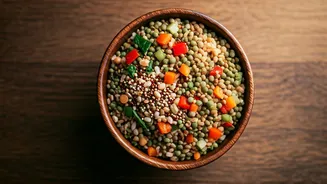
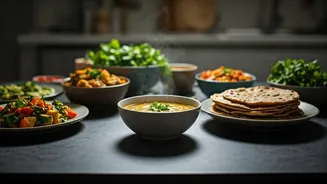
of millions of people. Think of it like this: you wouldn't judge the health of the entire American diet based solely on what’s served at a Thanksgiving feast. The daily Desi diet is a different universe—one built on humble, nutrient-dense staples. The real MVPs are dishes like dal (stewed lentils), sabzi (seasoned vegetables), and roti (whole-wheat flatbread). This trio forms a balanced meal with complex carbs, plant-based protein, and essential vitamins, representing a sustainable and deeply nourishing way of eating that has stood the test of time.
The Reality: A Plant-Forward Powerhouse
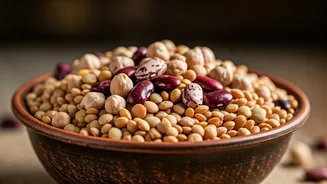
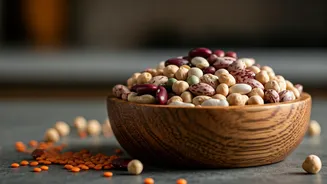
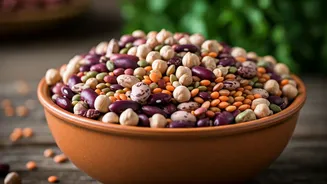
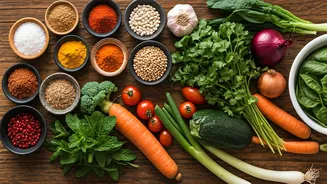
At its core, traditional Desi cuisine is overwhelmingly plant-based. Meat is often a bit player rather than the star of the show. The diet is rich in legumes—lentils, chickpeas, beans—which are loaded with fiber and protein, keeping you full and supporting gut health. The sheer variety of vegetables used is staggering, far beyond the standard American rotation of broccoli and carrots. From bitter melon and okra to gourds and leafy greens, these sabzis are cooked with an arsenal of spices that do more than just add flavor. This focus on a diverse range of plants and legumes aligns perfectly with what modern nutrition science tells us is crucial for long-term health: eat more plants, get more fiber, and diversify your gut microbiome. Authentic Desi food isn’t a diet you have to adapt to be healthy; it’s already there.
Rethinking Fat and Spices
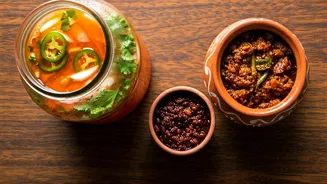
Another common misconception is that the food is laden with oil and fat. While restaurant versions might lean heavily on ghee and cream, home cooking is far more restrained. The secret is in the 'tadka' or tempering—a technique where whole or ground spices are bloomed in a small amount of hot oil or ghee and poured over a dish. This method infuses the entire meal with incredible flavor using just a tablespoon or two of fat. And those spices? They are functional foods. Turmeric is a famed anti-inflammatory, cumin and coriander aid digestion, ginger is a powerful antioxidant, and fenugreek can help regulate blood sugar. Instead of empty calories from sugary sauces, Desi food builds flavor with ingredients that actively benefit your body. It's a culinary philosophy that treats flavor and wellness as two sides of the same coin.
The 'Unapologetic' Advantage
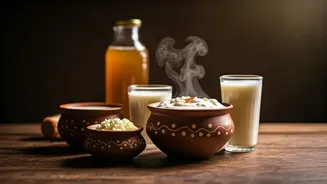
So why is 'unapologetically authentic' the key? Because the healthiest elements are often the first to be stripped away in the name of Western assimilation. The whole-wheat rotis are replaced with refined-flour naan. The complex, earthy dals are overshadowed by cream-based sauces. The fermented, gut-friendly foods of South India, like idli and dosa, are ignored in favor of fried appetizers. Embracing the authentic version means embracing this nutritional wisdom. It means choosing the brown rice, prioritizing the lentil soup, and understanding that the slightly bitter greens are there for a reason. It’s a diet that doesn't need to be 'cleaned up' or put through a 'wellness' filter, because its un-altered, traditional form is already one of the most balanced and health-supportive cuisines in the world.