


The Appeal of the Rainy Season
For years, travel wisdom dictated avoiding the “rainy season” at all costs. But a growing number of adventurers are discovering the magic that happens when the skies open up. Landscapes are transformed, turning dusty canyons and quiet forests into vibrant,
thundering spectacles. The air smells of rain-soaked earth and mineral-rich stone. Crowds thin out, and destinations that feel familiar in the dry season reveal a powerful, wilder personality. This isn't about getting caught in a miserable drizzle; it's about witnessing nature at its most dynamic. This trend is about chasing the sensory overload of a world reborn by water, where the main event is the roar of a waterfall that might not even exist a month earlier.
Arizona: The Desert's Chocolate Waterfall
When you think of Arizona, you probably picture dry heat and cacti. But from July to September, the North American Monsoon season can unleash powerful rains that bring the desert to life. The ultimate prize is Grand Falls, often called the “Chocolate Waterfall.” Located on the Navajo Nation northeast of Flagstaff, this cascade is wider than Niagara Falls and, for a few precious days after a heavy storm, thunders with muddy, sediment-rich water from the Little Colorado River. It’s a spectacular, ephemeral event. Planning is key: the waterfall is entirely dependent on upstream rainfall, so travelers must monitor weather patterns and be ready to go at a moment's notice. The journey is a dusty one, but the reward is a sight few ever get to witness.
Pacific Northwest: A Year-Round Waterfall Wonderland
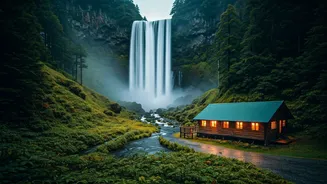
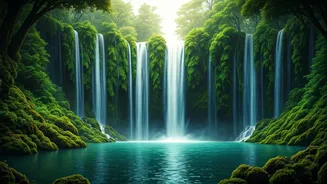
The Columbia River Gorge, separating Oregon and Washington, is America’s waterfall paradise. While stunning year-round, the rainy season from late fall through spring is when the gorge truly flexes its muscles. The crowds of summer disappear, replaced by a moody, atmospheric beauty. Iconic falls like Multnomah and Latourell, which can feel tame in August, become thunderous torrents. More importantly, hundreds of smaller, seasonal falls appear, lacing the moss-covered cliffs with ribbons of white water. A drive along the Historic Columbia River Highway or a hike on the trails around Beacon Rock becomes an immersive experience in water, mist, and every shade of green imaginable. It's a perfect domestic getaway for those who find beauty in a cloudy, dramatic sky.
Costa Rica: The Green Season Advantage
For an international take on the trend, look no further than Costa Rica’s “green season,” which typically runs from May to November. Don't let the name fool you; it’s the rainy season, and it's spectacular. The daily afternoon downpours refresh the landscape, making the rainforest impossibly lush and the waterfalls incredibly powerful. In the region around La Fortuna, the famous La Fortuna Waterfall becomes a force of nature, its swimming hole a churning cauldron of fresh, cool water. Nearby, the Tenorio Volcano National Park is home to the Río Celeste, a river and waterfall of an almost unearthly turquoise blue, a color made more vibrant by the contrast with the rain-darkened foliage. You get lower prices, fewer tourists, and a country at its most verdant and alive.
Upstate New York: Gorge-ous After the Rain
You don't need a technical monsoon to get the vibes. In the Finger Lakes region of New York, a simple summer thunderstorm is all it takes to supercharge the area's already breathtaking gorges. At Watkins Glen State Park, a two-mile trail descends past 19 distinct waterfalls, and after a good rain, the spray soaks the stone bridges and the roar echoes through the narrow canyon. In nearby Ithaca, a town famous for the slogan “Ithaca is Gorges,” dozens of waterfalls are a short hike—or even a short walk—from downtown. Taughannock Falls, which is taller than Niagara, is particularly impressive when it's full. It's the perfect option for an East Coast road trip focused on seeing water carve its way through ancient rock.