



The Magic of a Fresh Pakora
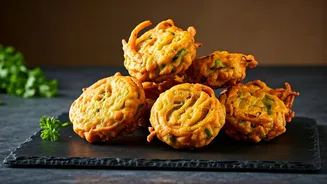
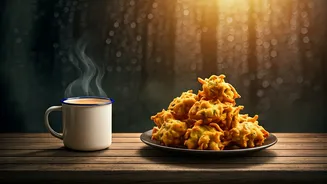
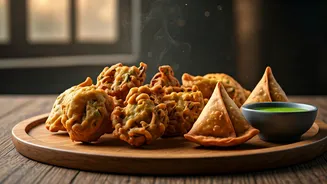
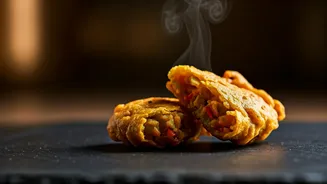
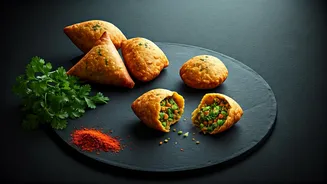
Let’s be honest: a well-made pakora is culinary perfection. Whether it’s a sliver of onion, a slice of potato, or a cube of paneer, the formula is unbeatable. A savory, spiced chickpea flour batter envelops the filling, then plunges into shimmering oil,
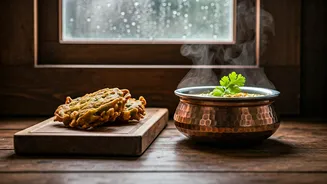
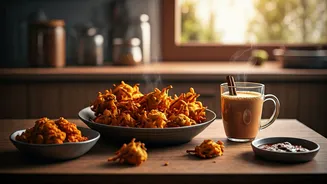
emerging moments later as a golden, craggy nugget of pure bliss. It’s the textural contrast—that shatteringly crisp exterior giving way to a soft, steaming interior—that gets you every time. Served with a tangy mint-coriander chutney or a sweet tamarind sauce, it’s a flavor bomb that short-circuits rational thought. More than just a snack, pakoras are a cultural touchstone. They are the quintessential rainy-day food in South Asia, the perfect companion to a hot cup of chai. They appear at family gatherings, Iftar tables during Ramadan, and are a staple of street-food vendors everywhere. They represent comfort, community, and a delicious, accessible indulgence. In the U.S., they’ve become a beloved appetizer at Indian restaurants, an entry point for anyone new to the cuisine. This isn't just food; it’s an experience. And in the moment, that experience is always winning.
The Science of the Sinking Feeling
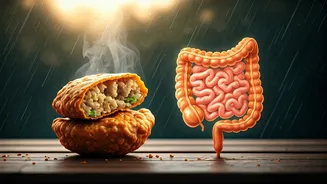
So why, after indulging in a plate of these glorious fritters, does your gut stage a protest? The answer lies in the simple, unavoidable science of deep-frying. When food is submerged in hot oil, it loses water and absorbs fat. This high-fat content is what makes fried food so satisfying, but it's also what makes it hard to digest. Fats slow down stomach emptying, meaning that plate of pakoras will be sitting in your gut longer than, say, a grilled chicken salad. This delay can lead to that heavy, leaden feeling, bloating, and general discomfort. The high heat of frying also creates compounds that can be irritating to the stomach lining for some people. The combination of fat, starch from the batter, and sometimes hard-to-digest vegetables like onions or cabbage can create the perfect storm for indigestion, gas, and acid reflux. Your brain got the dopamine hit it was craving, but your digestive system was handed a difficult job with no extra pay. That feeling isn’t your imagination; it’s your body working overtime.
Comfort, Cravings, and Consequences
We know all of this, intuitively. So why do we keep reaching for that next pakora? Because we are not just biological machines; we are emotional, cultural beings. Foods like pakoras are comfort foods, and the 'comfort' they provide is deeply psychological. They are tied to memories of family, celebration, and coziness. Eating them isn't just about satisfying hunger—it's about satisfying a need for nostalgia, connection, and a small escape from the everyday. This is the beautiful, frustrating paradox of the human appetite. The very things that make pakoras a 'treat'—the fat, the salt, the carbs—are what trigger our brain's reward centers. We are wired to seek out energy-dense foods. In a world of stress and routine, the immediate, reliable pleasure of a hot, crispy snack often outweighs the predictable, delayed discomfort. It’s a trade-off many of us are willing to make, over and over again.
How to Make Peace With Your Plate
The goal isn’t to banish pakoras from your life. That would be a tragedy. The key is to shift from mindless indulgence to mindful enjoyment. Instead of treating them as a main course, think of them as the special guest star. Savor one or two, slowly, and really focus on the taste and texture that you love. Pair them with something that can help balance the digestive load, like a fresh salad or a cup of herbal tea like ginger or mint, which can aid digestion. And if you're making them at home, you have options. While nothing can truly replicate the deep-fried original, an air fryer can produce a surprisingly crispy exterior with a fraction of the oil, reducing the fat load on your system. Using a fresh, high-quality oil and ensuring it's at the right temperature (around 350-375°F) can also minimize oil absorption. But ultimately, the best strategy is simply portion control. Enjoying them less frequently, and in smaller amounts, keeps them special and gives your gut a fighting chance.