


Beyond Ripe and Sweet
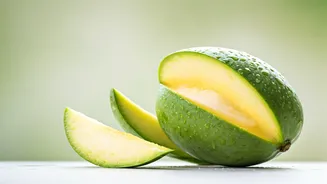
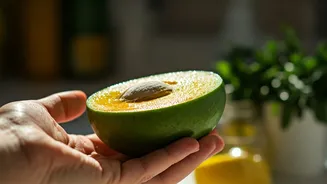
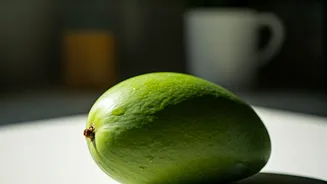
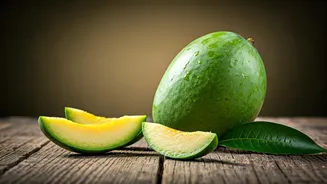
So, what exactly is a raw mango? It’s simply an unripe mango, picked from the tree before its sugars have had a chance to develop. While most mangoes sold in U.S. supermarkets are cultivated for their eventual sweetness, many varieties, particularly those
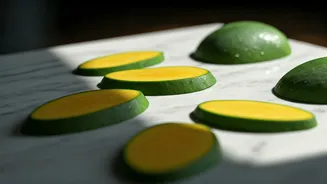
found in Asian and Latin American markets, are prized in their green state. Instead of soft, fragrant orange flesh, a raw mango offers a firm, pale, and crunchy texture, almost like a crisp apple or jicama. The flavor is its main calling card: a powerful, clean sourness that’s more complex than a lemon and less aggressive than a lime, with subtle floral and vegetal notes that hint at the tropical fruit it will become.
A Jolt of Bright, Complex Flavor
Think of raw mango less as a fruit to be eaten out of hand and more as a culinary tool—an acidic component that can brighten, balance, and transform a dish. In a world of often one-note sweet summer produce, raw mango provides a sophisticated counterpoint. Its bracing tartness cuts through richness, cools down spice, and adds a refreshing zing that wakes up the palate. It’s the secret weapon behind some of the world's most beloved hot-weather cuisines, where it’s used to build layers of flavor that are simultaneously complex and incredibly refreshing. Once you start cooking with it, you'll wonder how your summer kitchen ever survived without it.
In Salads: A Crunchy, Zesty Star
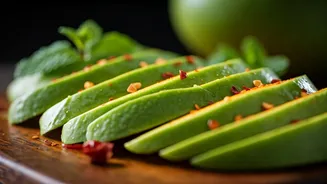
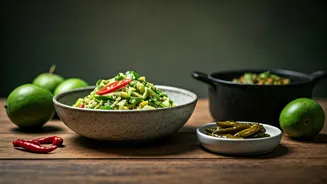
One of the easiest and most impactful ways to use raw mango is in salads. In Thai and Vietnamese cuisine, julienned green mango forms the base of explosive salads (*som tum mamuang* is a classic example). The firm, crunchy shreds are a perfect vehicle for dressings made with fish sauce, lime juice, palm sugar, and fiery chilies. Tossed with roasted peanuts, fresh mint, cilantro, and perhaps some grilled shrimp or chicken, it creates a dish with an incredible symphony of textures and tastes: sweet, sour, salty, spicy, and savory all at once. You don’t need a specific recipe to start—simply grate some raw mango and toss it into your favorite coleslaw or grain salad for an instant acidic kick and satisfying crunch.
In Drinks: The Ultimate Thirst Quencher
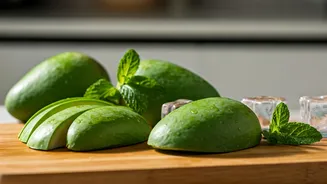
When the summer heat feels unbearable, raw mango comes to the rescue in liquid form. In India, *aam panna* is a revered summer cooler made by boiling or roasting raw mangoes until the pulp is soft, then blending it with sugar, water, and spices like roasted cumin, black salt, and mint. The result is a sweet-and-sour beverage that’s not just delicious but is also traditionally believed to help rehydrate and replenish electrolytes lost to the heat. You can create a simplified version at home by making a raw mango syrup to mix with sparkling water for a unique, tart soda or to use as a base for inventive summer cocktails.
In Pickles and Chutneys: A Tangy Powerhouse
Thanks to its firmness and high acidity, raw mango is a natural for pickling. Across South Asia, you'll find countless variations of *achaar*, or mango pickle, ranging from fiery and oil-drenched to sweet and spicy. The mango chunks hold their shape, slowly absorbing the complex flavors of mustard seeds, fenugreek, turmeric, and chili. But you don't have to commit to a month-long fermentation process. A quick pickle, made by tossing diced raw mango with salt, a little sugar, and your favorite spices, can be ready in under an hour and makes a fantastic condiment for grilled meats, fish, or rice bowls. Grated raw mango can also be turned into a fresh, zesty chutney to accompany everything from samosas to sandwiches.
How to Buy and Prep Your Green Gold
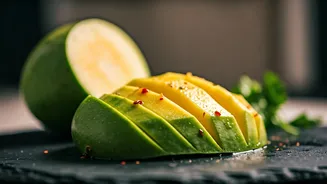
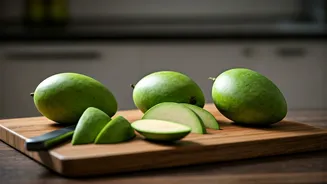
Ready to give it a try? Head to your local Asian, Indian, or Latin American grocery store, as they're the most reliable sources. Look for mangoes that are uniformly green, firm to the touch, and feel heavy for their size, with no soft spots or blemishes. Avoid any that are starting to show yellow or orange patches, as they are beginning to ripen and will be softer and sweeter. To prep, simply treat it like a tough vegetable. Use a sturdy vegetable peeler to remove the skin, which can be bitter. Then, working carefully around the large, flat pit in the center, slice off the flesh. From there, you can cut it into cubes, julienne it into matchsticks, or grate it on a box grater.