




The Obvious Hero: Your Tires
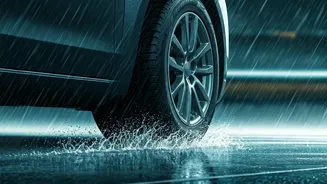
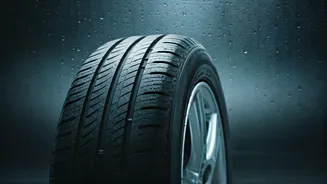
If there's one single check that matters most for wet roads, it’s your tires. They are the only part of your car that actually touches the road, and their ability to grip is dramatically reduced when water is involved. The key factor is tread depth. Your
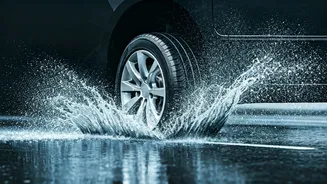
tire’s grooves are designed to channel water away from the contact patch, preventing a dangerous phenomenon called hydroplaning—where your car essentially skims on a thin layer of water, causing a total loss of steering and braking control. To check your tread, grab a penny. Insert it into a tread groove with Lincoln's head upside down. If you can see the top of Abe's head, your tires are worn below the safe minimum of 2/32 of an inch and need to be replaced immediately. For a better margin of safety, many experts recommend replacement when the tread reaches 4/32 of an inch—the distance to the top of Washington's head on a quarter.
The Unsung Essential: Tire Pressure
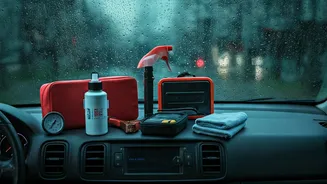
Tread depth is only half of the tire story. Proper inflation is just as critical, especially in the rain. An underinflated tire can’t maintain its optimal shape, causing the tread to close up and reducing its ability to channel water away. This significantly increases your risk of hydroplaning, even with decent tread. Overinflated tires are just as bad; they have a smaller contact patch with the road, reducing overall grip. Think of it like trying to walk on ice with either floppy shoes or rigid stilts—neither gives you the stability you need. Don’t rely on a visual check. Tires can lose significant pressure before they look flat. Find the correct pressure for your vehicle on the sticker inside the driver’s side door jamb (not on the tire itself), and use a simple pressure gauge to check them once a month when they are cold.
More Than a Swish: Your Wiper Blades
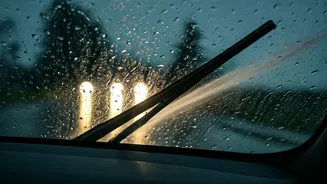
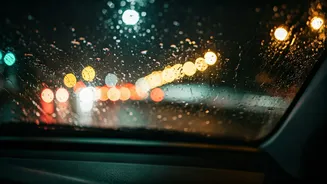
If your tires are the first line of defense against losing control, your wiper blades are the first line of defense against losing sight. Yet, they’re one of the most neglected components on a car. Wiper blades are made of soft rubber that degrades over time from sun exposure, heat, and cold. Worn blades don't clear water effectively; they smear it, creating a blurry, distorted view that’s especially dangerous at night when facing the glare of oncoming headlights. Inspect your blades for cracking, tearing, or stiffness. Run your finger along the edge; if it doesn’t feel smooth and pliable, it's time for a replacement. A good test is to use your windshield washer fluid. If the blades leave streaks or skip across the glass, they are past their prime. Replacing them is an inexpensive and easy DIY job that instantly improves your visibility and safety.
See and Be Seen: Your Lights
In rainy conditions, your car's lights are not just for you to see—they are for others to see you. Heavy rain and road spray create a low-visibility gray haze that can make other vehicles seem to disappear. In many states, it’s the law to have your headlights on whenever your wipers are in use. This isn't just about illuminating the road ahead; it ensures your taillights are also on, making you visible from behind. Before the next storm, do a quick walk-around. With your car on, check that your headlights (both low and high beams), taillights, and brake lights are all functioning. Have a friend or family member stand behind the car and press the brake pedal to confirm. A burned-out bulb is a cheap fix that prevents a costly and dangerous situation where a driver behind you doesn't see you slowing down.
Feel for Trouble: Your Brakes
Your brakes can feel different on wet pavement. It takes longer to stop, and the initial bite might feel less aggressive as the pads and rotors clear the water. While a full brake inspection is a job for a mechanic, you can be mindful of warning signs. When you're driving in a safe, low-traffic area like an empty parking lot, pay attention to how the brakes feel. Do you hear any squealing, grinding, or scraping? Does the car pull to one side when you apply the brakes? Does the pedal feel unusually soft or spongy? These are all indicators that your brake system needs professional attention. Catching these issues before you’re in an emergency braking situation on a slick highway is crucial. Being attuned to the feel of your car is a simple but powerful safety habit.