






This Isn’t Your Parents’ TV Dinner
Let’s get one thing straight: these aren’t the foil-tray, freezer-burned Salisbury steaks of yesteryear. The modern heat meal has shed the stigma of its sad, preservative-laden ancestors. Today’s offerings, found in subscription boxes and the fresh-prepared
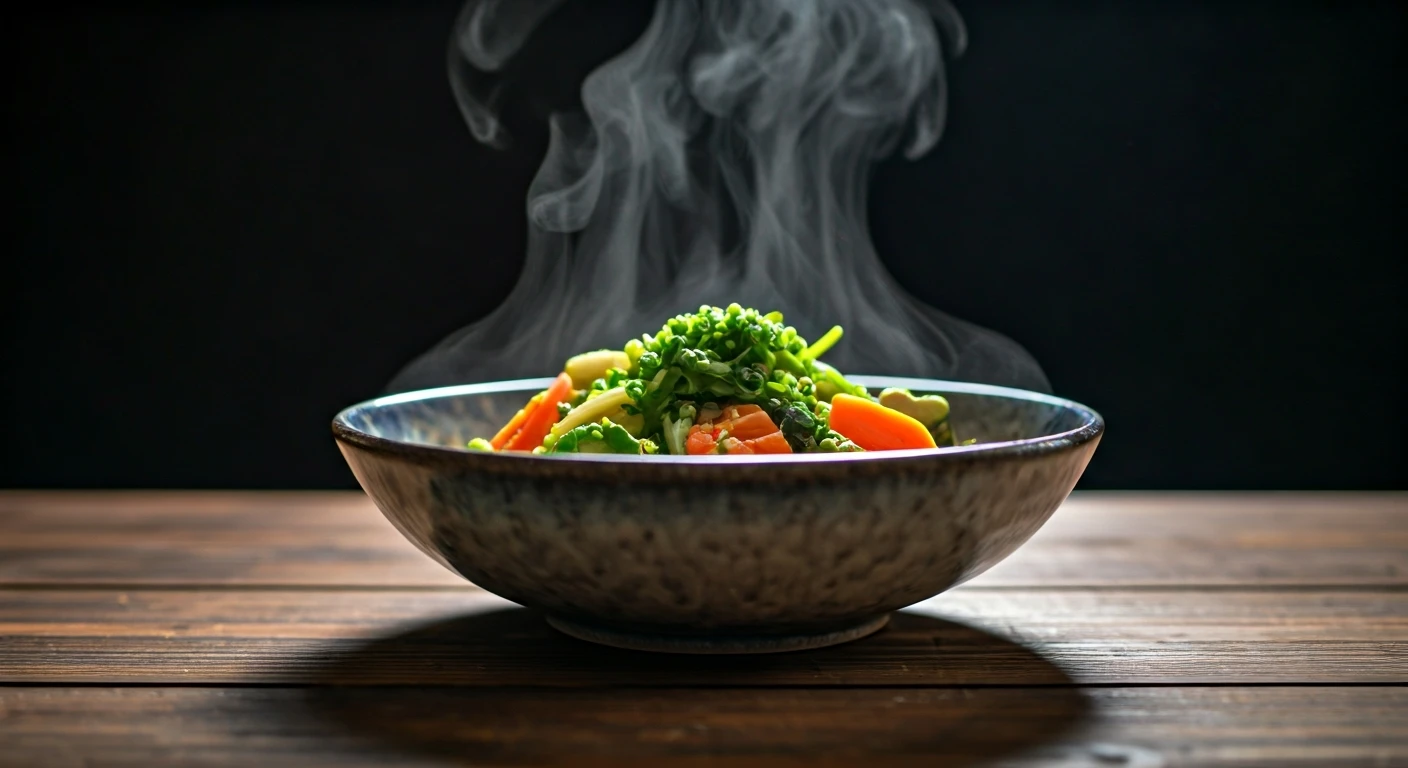
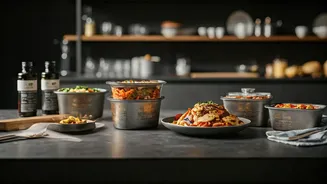
aisles of grocery stores, are built on a foundation of culinary credibility. Think chef-designed menus, fresh (never frozen) ingredients, and a focus on specific dietary needs, from keto and paleo to gluten-free and plant-based. Companies like Factor, CookUnity, and Kevin’s Natural Foods are leading the charge, delivering meals that often feature grilled salmon with quinoa, grass-fed beef with sweet potato mash, or complex vegetarian curries. The core promise has shifted from cheap fuel to quality, convenient nourishment. The microwave (or oven) is just the final step in a process that prioritizes flavor and nutrition.
The Post-Pandemic Plate
So why is this happening now? The boom in practical heat meals is a direct reflection of our post-pandemic reality. The great work-from-home experiment didn't eliminate busyness; it just rearranged it. The lines between work and life have blurred, making the prospect of a 45-minute cooking and cleanup session less appealing than ever. At the same time, after years of being forced to cook, many are simply burnt out. We developed a taste for restaurant-quality experiences but now face the reality of inflation and the desire to stay home more often. These meals slot perfectly into that gap. They provide the novelty and quality of a meal out with the convenience and comfort of staying in, all without the prep work of a meal kit or the unpredictable cost and wait times of delivery apps.
Solving the Convenience-Health Paradox
For decades, the American consumer has been caught in a bind: you could have food that was fast and convenient, or you could have food that was healthy and wholesome, but rarely both. Fast food and frozen pizzas solved for speed; elaborate salads and home-cooked meals solved for health. The modern heat meal is one of the first food categories to credibly solve for both at scale. Consumers can now pull a meal from the fridge that is packed with protein, vegetables, and whole grains, and have it ready in three minutes. This resolves a major point of friction for time-crunched professionals, busy parents, and fitness enthusiasts who value their nutrition but don’t have an hour to dedicate to the kitchen every night. It’s a solution that acknowledges the realities of modern life without demanding a compromise on wellness goals.
The Price of Practicality
Of course, this premium convenience comes at a price. A typical heat-and-eat meal from a subscription service costs between $11 and $14, making it more expensive than cooking a similar meal from scratch. However, the value proposition isn’t about comparing ingredient costs; it’s about the value of time. When compared to the cost of a similar-quality meal from a fast-casual restaurant like Chipotle or Sweetgreen, or a delivered meal from DoorDash (after fees and tip), the price becomes highly competitive. For many, saving 45 minutes of cooking and cleaning is well worth the few extra dollars per meal. It’s a trade-off that an increasing number of middle- and upper-income households are willing to make, reallocating what might have been a restaurant budget to a more practical, everyday solution.