





The Rise of the Rainy Retreat
Let’s call it what it is: the anti-beach vacation. For generations, travel has been synonymous with chasing the sun. We’ve been conditioned to believe that a perfect trip requires blue skies and a tan line. But a growing contingent of travelers is pushing
back, deliberately seeking out destinations during their wettest, stormiest seasons. This isn't about a trip being ruined by weather; it’s about a trip being defined by it. This trend, which we can call 'indoor monsoon travel' or 'cozy season tourism,' is about embracing the atmosphere. It’s the conscious decision to trade sweaty sightseeing and crowded beaches for the rhythmic drumming of rain on a tin roof, a steaming cup of coffee on a covered veranda, and the luxury of having nowhere to be. Instead of fighting the elements, you’re immersing yourself in them from a warm, comfortable perch. It’s a shift from a vacation of 'doing' to a vacation of 'being'.
The Psychology of Coziness and Comfort
So why is this appealing? It taps into a deep-seated psychological need for sanctuary and comfort—a feeling the Danes famously call 'hygge.' There’s a profound sense of peace that comes from being snug and safe indoors while a storm rages outside. It’s a primal comfort, a grown-up version of building a blanket fort. This type of travel forces a slowdown. Your frantic itinerary of hikes, market tours, and photo ops is naturally curtailed, replaced by reading a book, having long conversations, or simply watching the clouds roll in.
In our hyper-connected, always-on world, the enforced quiet of a rainy day can feel like a radical act of self-care. It provides a rare opportunity for introspection and connection, whether with a partner, family, or just yourself. The constant, soothing white noise of the rain itself has been shown to reduce stress and promote relaxation, making it the perfect, natural soundtrack for a mental reset.
Finding Your Perfect Storm
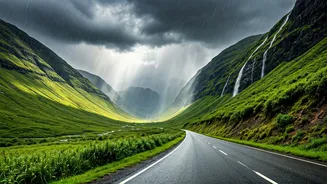
This isn’t just a theoretical concept; tourism operators in traditionally wet regions are leaning into it. Instead of apologizing for the rain, they’re marketing it as the main attraction. Think of the 'green season' in places like Costa Rica, where the landscape is bursting with life and color thanks to the daily downpours. Consider the monsoon in Kerala, India, where Ayurvedic wellness resorts have long held that the humid, dust-free air of the rainy season is ideal for treatments.
In the U.S., the Pacific Northwest is a natural fit, with coastal towns like Astoria, Oregon, offering prime storm-watching from cozy inns. Even the American Southwest’s summer monsoon provides a dramatic, albeit shorter-lived, version of this experience. The key benefits are universal: fewer tourists, lower off-season prices, and landscapes that are often more vibrant and dramatic than they are during the dry, peak season.
How to Plan a Monsoon Getaway
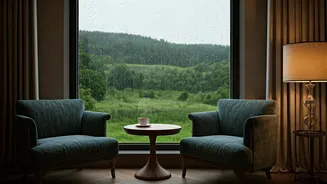
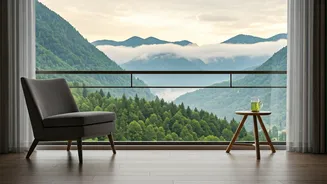
Planning a successful rainy retreat requires a slight shift in priorities. When booking accommodation, the view becomes paramount. You’re not just looking for a place to sleep; you’re looking for a theater from which to watch the weather. Seek out rooms with large windows, a covered balcony, a fireplace, or a deep, inviting bathtub. Check if the hotel has a good library, a cozy common lounge, or an excellent restaurant—amenities that shine when you’re spending more time on the property.
Your packing list changes, too. Swap the extra swimsuits for thick socks, a comfortable sweater, and a compelling novel you’ve been meaning to read. A high-quality waterproof jacket and sturdy boots are essential for those moments when you do venture out, perhaps for a brisk walk between storms to experience the fresh, rain-washed air. Most importantly, pack a flexible mindset. The goal isn’t to conquer a destination, but to let its atmosphere wash over you.