




Welcome to the Experience Economy
For decades, the American dream was often measured in tangible assets: the new car, the bigger house, the designer wardrobe. Success was something you could see and touch. But for Millennials and Gen Z, that definition is being dramatically rewritten.
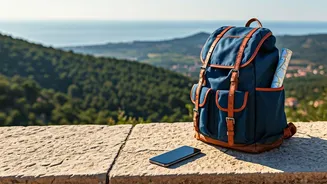
They are the driving force behind the “experience economy,” a term describing a market where consumers value doing things far more than owning things. This isn't just about forgoing a new pair of jeans to save for a vacation. It’s a deeper philosophical pivot. It’s choosing the pop-up immersive art exhibit over the poster, the craft beer-making class over the six-pack, and the plane ticket to a new city over the latest smartphone upgrade. Research consistently shows that younger consumers are allocating a greater share of their discretionary spending toward events, travel, and unique activities. They are trading static possessions for dynamic memories, and in doing so, they are reshaping entire industries, from retail to hospitality.
The Currency of a Digital Self
A key driver of this shift is the world we all live in now: one mediated by screens. In the age of Instagram, TikTok, and BeReal, your life story is a curated collection of moments. A new sofa is nice, but it makes for a boring social media post. A photo of you watching the sunrise from a mountain peak in a national park? That’s content. Experiences provide a steady stream of unique, authentic, and shareable capital for building a personal brand and online identity. They tell a story about who you are—adventurous, cultured, fun-loving—in a way that a display of possessions rarely can. This isn't just vanity; it's a new form of social currency. In a crowded digital world, a unique experience helps you stand out. The fear of missing out (FOMO) is a powerful motivator, pushing individuals to participate in the events and adventures they see their peers enjoying.
The Search for Lasting Happiness
This trend is also backed by a growing body of psychological research. Dr. Thomas Gilovich, a psychology professor at Cornell University, has spent years studying the connection between money and happiness. His findings are clear: while the thrill of a new purchase fades quickly—a phenomenon known as “hedonic adaptation”—the joy derived from experiences tends to increase over time. We get used to our new phone or car, and they become parts of the background. Experiences, on the other hand, become parts of us. We can relive a great trip or concert in our minds, share the stories with friends, and find that our memories often get fonder with time. Experiences are less prone to jealous comparison. You might envy a friend’s bigger house, but it's harder to make a direct, negative comparison between your weekend getaway and their trip abroad; they are unique to the individual. In short, experiences deliver better, more lasting returns on our emotional investment.
It’s Also an Economic Reality
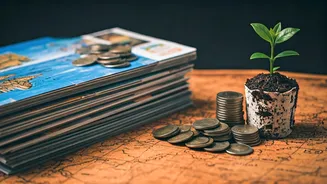
While the psychological and social factors are significant, it's impossible to ignore the economic reality facing younger generations. Many Millennials and Gen Zers are burdened with student loan debt and face a housing market that makes the goal of homeownership feel impossibly distant. When traditional markers of adult financial success seem out of reach, spending patterns adapt. If you can't afford a down payment on a house, a $2,000 investment in a life-changing trip to Southeast Asia can feel like a much more attainable and rational use of money. Spending on experiences can feel like an investment in one’s own well-being and personal growth—a tangible return in a world where financial goalposts keep moving. It's not just a preference; for many, it’s a pragmatic response to their economic circumstances.