





The Science of Scent and Steam
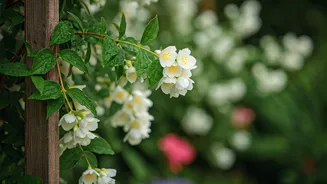
Why does jasmine seem to explode with fragrance when the air feels like a wet towel? It's not your imagination; it’s a brilliant survival strategy. Plants ‘breathe’ through tiny pores on their leaves called stomata, releasing water vapor in a process
called transpiration. In dry air, this process is rapid, costing the plant a lot of water and energy. But in high humidity, the surrounding air is already saturated, so the plant loses far less water. This allows it to conserve resources and divert that saved energy into more important projects, like producing lush foliage and, most critically, intoxicatingly fragrant flowers. The heavy, moist air also helps hold the aromatic oil molecules close to the plant, concentrating the scent and creating a perfumed pocket on your porch or balcony that simply doesn't happen in drier climates.
Choose Your Champion
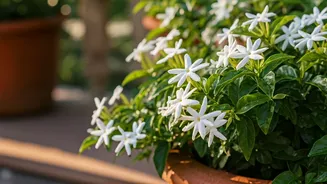
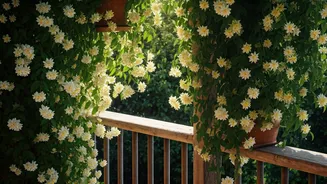
Not all plants labeled 'jasmine' are created equal, and for peak performance in humid conditions, you want a true, heat-loving jasmine. Your best bet is a tropical or subtropical variety. The undisputed king is *Jasminum sambac*, commonly known as Arabian jasmine. Cultivars like 'Maid of Orleans' or the multi-layered 'Grand Duke of Tuscany' are practically built for this weather. Their flowers are not only intensely fragrant but are often used to make jasmine tea, a testament to their potent aroma. Another excellent choice is *Jasminum officinale*, or Common Jasmine, which is a bit more cold-hardy but still puts on its best show when summer humidity peaks. These varieties are far better suited for the task than a delicate, non-vining species that might prefer cooler, drier nights. Look for these specific names at your local nursery to ensure you’re getting a plant that will reward you, not resent the weather.
Crafting the Perfect Humid Haven
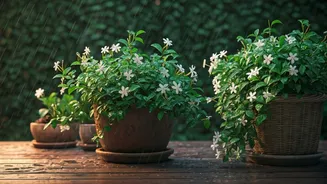
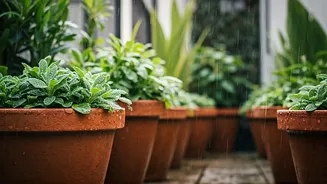
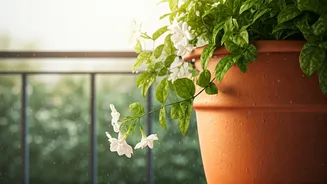
Getting the most out of your terrace jasmine is about leaning into its natural preferences. First, choose the right container. A large terracotta pot is a classic choice because it’s porous and allows the soil to breathe, which is crucial when the air itself is damp. Use a high-quality, well-draining potting mix; jasmine hates 'wet feet,' and soggy soil can lead to root rot, even when the air is moist. The biggest mistake gardeners make in humid weather is overwatering. The plant isn't losing as much moisture through its leaves, so it doesn’t need as much from the soil. Check the top two inches of soil with your finger; if it’s dry, it’s time to water. Otherwise, leave it be. During its active growing season in spring and summer, feed your jasmine every two to four weeks with a balanced liquid fertilizer that's slightly higher in phosphorus to encourage more blooms.
Watch for Unwanted Guests
Unfortunately, the same conditions that make your jasmine happy can also invite a few problems. High humidity and poor air circulation are a perfect recipe for fungal diseases like powdery mildew or sooty mold. You can mitigate this by ensuring your plant isn't too crowded and gets good airflow. Pruning after a flowering cycle not only encourages new growth but also helps open up the plant's structure. If you see signs of fungus, a simple spray made from neem oil can often resolve the issue without resorting to harsh chemicals. Keep an eye out for pests like spider mites, which can also thrive in warm conditions, though the high humidity can sometimes deter them. A proactive approach and regular inspection will keep your plant healthy and focused on what it does best: flowering.