


A Stage with a Himalayan Backdrop
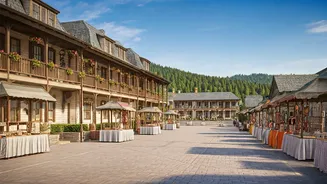
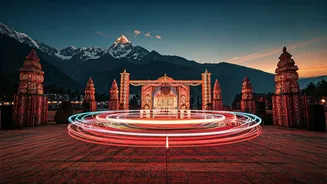
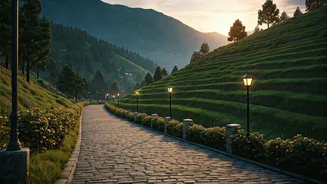
Imagine a sprawling open-air plaza set against a panorama of snow-dusted Himalayan peaks. This is The Ridge, the social and cultural heart of Shimla. For most of the year, it’s a place for leisurely strolls, coffee breaks, and horse rides, with locals
and tourists alike soaking in the views. But every June, this iconic space sheds its tranquil demeanor and bursts into a kaleidoscope of color and sound. The Shimla Summer Festival, an annual tradition dating back to the 1960s, takes over, turning this historic promenade into the grandest stage in the mountains. The entire city, it seems, converges here, drawn by the promise of spectacle, community, and a joyful break from the summer heat of the Indian plains below.
The Sounds and Sights of Himachal
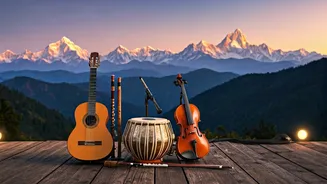
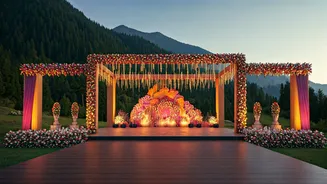
The soul of the festival is its celebration of Himachali culture. A massive stage erected on The Ridge hosts a dizzying array of performances day and night. The undeniable star is the *Nati*, the traditional folk dance of the region. Dancers in brightly colored, intricately embroidered woolens and silver jewelry move in slow, graceful circles, their performance telling stories of local life and mythology. The music is a compelling mix of lilting folk melodies and energetic Bollywood numbers, with both local artists and nationally recognized stars taking the stage. Families spread out on blankets, children dance in the aisles, and the collective energy is infectious. It’s a far cry from a polished, ticketed concert; this is a living, breathing community celebration where participation is as important as observation.
A Taste of the Hills
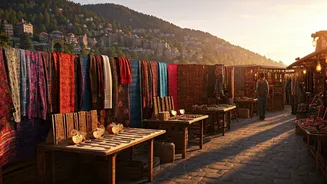
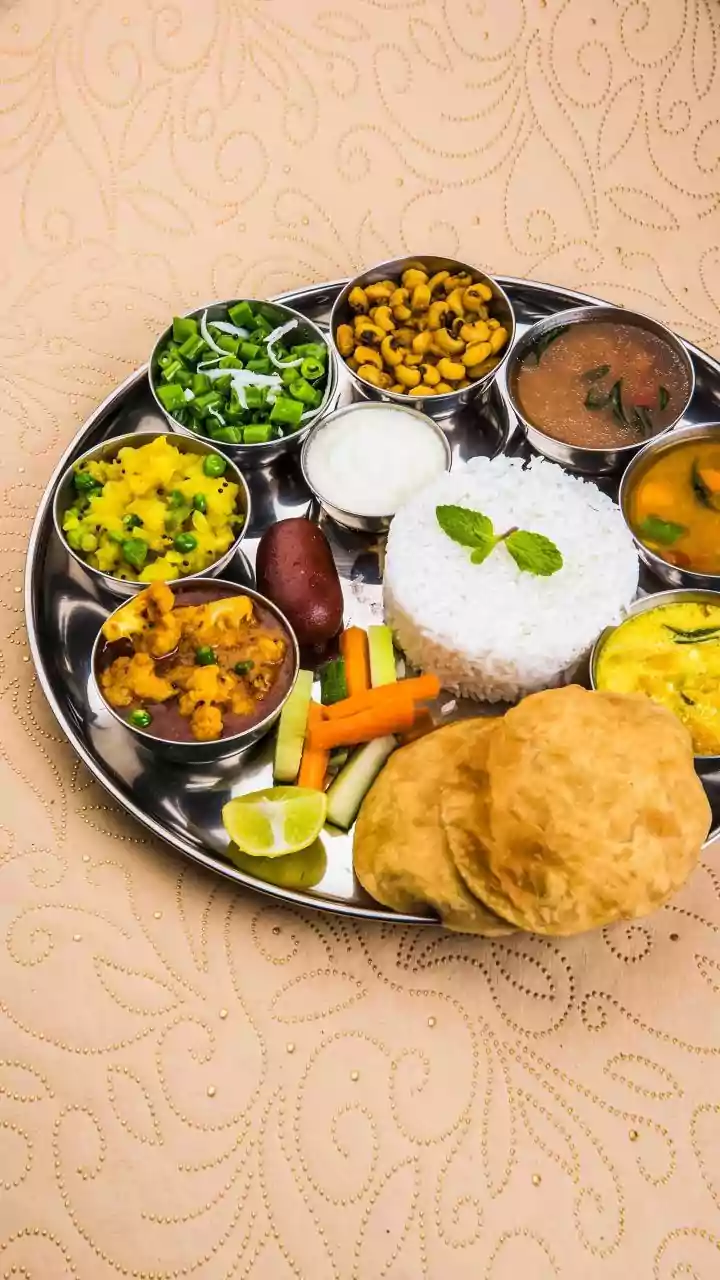
No festival in India is complete without a feast for the senses, and the Shimla Summer Bash is no exception. The perimeter of The Ridge becomes a bustling food market. The air grows thick with the sizzle of oil, the steam of dumplings, and the sweet aroma of *jalebi*. Temporary stalls offer everything from classic Indian street food like *chaat* and *pani puri* to regional Himachali specialties. Visitors can sample *siddu*, a fluffy steamed bread stuffed with savory filling, or try a hearty local curry. It’s a chance to refuel between performances while embarking on a culinary tour of the state. For many, grabbing a plate of hot momos and finding a spot to watch the crowds against the mountain sunset is a quintessential festival experience.
Echoes of a Bygone Era
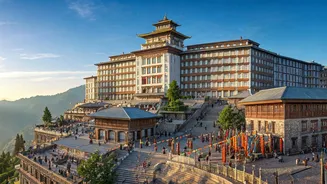
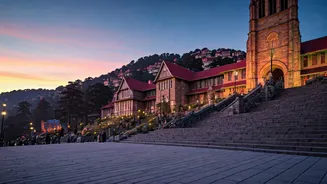
What makes the festival truly unique is its setting. Shimla, once the summer capital of British India, is a city steeped in history. The festival unfolds against a backdrop of colonial-era architecture. The iconic, neo-Gothic Christ Church, with its stained-glass windows, presides over one end of The Ridge, while the Tudor-style library building stands at the other. This juxtaposition of vibrant, modern Indian celebration and stately Victorian architecture tells the story of Shimla itself. It’s a place where the past isn’t just preserved in museums; it’s the living, breathing framework for the present. The festival feels like a powerful, joyful reclamation of a space once reserved for the colonial elite, now pulsing with the democratic, festive spirit of modern India.