





The Long, Thirsty Wait
To understand the monsoon’s welcome, you first have to endure the pre-monsoon summer. From the bustling port city of Visakhapatnam to the fertile river deltas of the Godavari and Krishna, April and May bring a suffocating, triple-digit heat. The air is heavy,
the sun relentless. Dust coats everything. Life slows to a crawl during the blistering afternoons, and the parched paddy fields look like cracked mosaics. This is more than just uncomfortable weather; it’s a period of deep anxiety, especially for the millions of farmers whose livelihoods depend entirely on the coming rains. Every upward glance at the hazy, cloudless sky is a silent prayer. The anticipation is a tangible thing, a low hum of worry and hope that thrums beneath the surface of daily life.
First Rains and a Sensory Explosion
Then, it happens. The sky darkens, the wind picks up, carrying the scent of distant rain. The first fat drops hit the hot, dusty ground, releasing an intoxicatingly earthy perfume known as petrichor. This is the moment of pure, unadulterated joy. A wave of relief washes over the landscape. Children, defying their parents, spill into the streets to dance in the downpour. The oppressive heat shatters, replaced by a cool, clean freshness. In the cities, the rain washes the grime from the buildings, making the world seem new. This initial phase of the monsoon is the 'beautiful' part of the equation—a dramatic, cinematic arrival that feels like a genuine rebirth for the land and its people. It's a celebration of nature's power to renew and refresh.
The Lifeline for the Land
The beauty is inextricable from the pragmatism. Coastal Andhra is often called the "Rice Bowl of India" for a reason. The monsoon isn't a meteorological curiosity; it's the engine of the regional economy. The floodplains of the Godavari and Krishna rivers are designed to be inundated. The rains that fill these rivers and saturate the fields are what allow for the cultivation of rice, the staple crop that feeds millions. For farmers, the steady, soaking rains of July and August are the difference between prosperity and ruin. The lush, impossibly vibrant green of a newly planted paddy field under a grey monsoon sky is one of the region's most iconic sights—a perfect marriage of natural beauty and human sustenance.
When Beauty Becomes a Beast
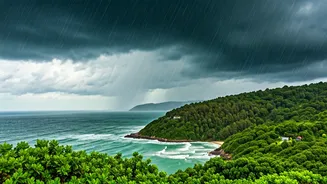
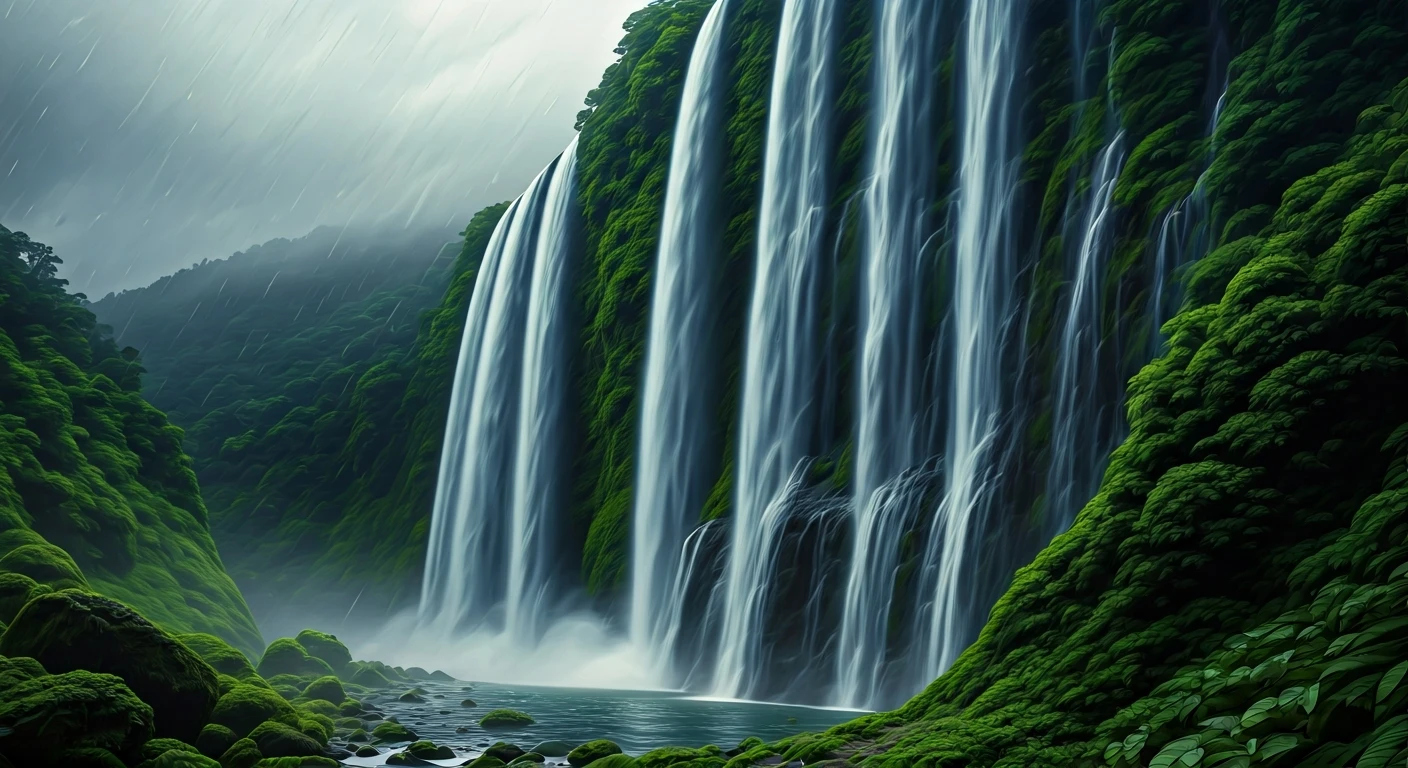
Herein lies the 'complicated' part. The same Bay of Bengal that delivers life-giving moisture can also spawn devastating cyclones. The monsoon isn't a gentle, predictable shower; it can be a furious, destructive force. When the rain is too much, too fast, the rivers that nourish the land swell and break their banks. Fields become submerged, crops are ruined, and villages are cut off. In cities like Vijayawada and Visakhapatnam, the aging drainage systems are quickly overwhelmed. Streets turn into canals, traffic grinds to a halt, and daily life becomes a logistical nightmare. This is the monsoon’s darker mood: a reminder that the line between a blessing and a curse is, in this part of the world, often just a few inches of rain.
A Season of Senses and Solace
Ultimately, the monsoon’s complexity is what defines it. It forces a change in rhythm. The season is a sensory feast: the taste of crispy, deep-fried pakoras and spicy corn on the cob sold by street vendors, best eaten while watching the downpour; the comforting ritual of sipping hot, milky chai; the constant, meditative drumming of rain on a tin roof. It’s a time for staying indoors, for family, for introspection. The grey, moody skies and relentless rain create a cozy, almost melancholic atmosphere that encourages storytelling and shared meals. It curtails movement but deepens connection, turning the focus inward.