


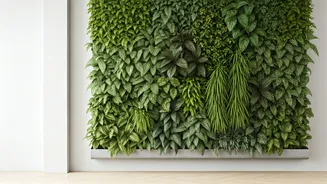


The Genius of Going Up
For apartment dwellers, floor space is the final frontier. Every square foot is precious, and a typical balcony—often just big enough for a chair and a small table—seems to offer little room for a garden. This is where vertical thinking becomes a game-changer.
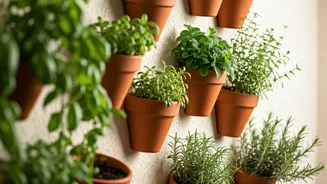
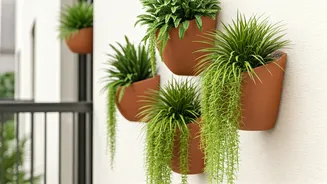
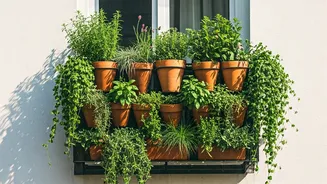
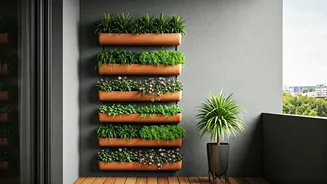
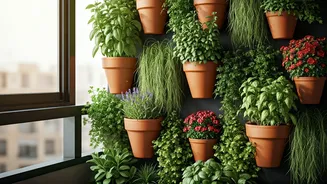
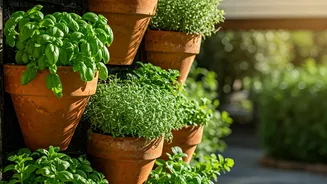
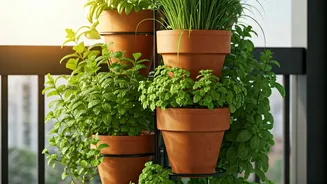
A vertical terracotta garden is essentially a set of stackable planters, designed to create a tower of green that occupies a single footprint. Instead of lining up a dozen small pots, you build upward, transforming a two-by-two-foot corner into a multi-level herb garden, a cascade of flowers, or a mini-farm for strawberries and lettuces. This approach doesn’t just save space; it creates a stunning visual focal point, drawing the eye upward and making the entire balcony feel more expansive and intentional.
Why Terracotta is the Classic Choice
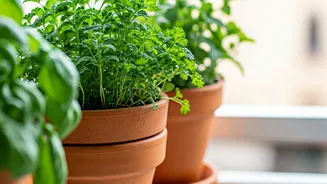
You could use plastic stackers, but there’s a reason terracotta has been a gardener’s staple for centuries. The warm, earthy look of unglazed clay adds a touch of rustic, Mediterranean charm that plastic simply can’t replicate. But the benefits are more than just aesthetic. Terracotta is porous, which means it breathes. This allows air and moisture to move through the sides of the pot, which helps prevent soil disease and root rot. For many plants, this is a significant advantage. The main consideration with terracotta is that this same porosity causes the soil to dry out more quickly. This requires more attentive watering, especially on a hot, windy balcony. The weight is another factor; a fully planted and watered terracotta tower can be heavy, so ensure your balcony can support it and place it in its final location before you fill it completely.
Best Plants for Your Balcony Tower
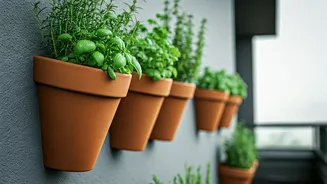
Not all plants are suited for the stacked life. The best candidates have relatively shallow root systems and a compact or trailing growth habit. Herbs are a perfect starting point. A tower of basil, mint, parsley, thyme, and rosemary provides fresh flavors for your kitchen just steps away. For edibles, consider leafy greens like loose-leaf lettuce and spinach, or trailing plants like strawberries, which will happily cascade over the sides. If you’re after color, compact flowers like marigolds, pansies, and petunias work beautifully. Trailing varieties like lobelia or sweet alyssum can create a waterfall of blooms. For a low-maintenance option, a tower of succulents like hens-and-chicks or various sedums offers fascinating shapes and textures with minimal watering needs.
Setup and Soil for Success
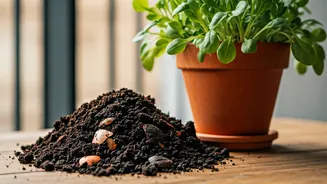
Assembling your vertical garden is straightforward, but a few tips will ensure your plants thrive. First, choose a high-quality potting mix, not garden soil. Potting mixes are lighter and formulated for better drainage, which is crucial in any container. To manage weight and improve drainage further, you can add perlite or vermiculite to your mix. When you stack the planters, make sure they sit securely on top of each other. Some designs have interlocking grooves for stability. Fill each tier with soil as you go. Consider what you’re planting in each level; place sun-loving plants where they’ll get the most light and perhaps put more delicate, shade-tolerant plants in the pockets that face away from the harshest afternoon sun.
Watering Your Stacked Garden
Proper watering is the most critical part of maintaining a healthy vertical garden. Physics dictates that water will run downward, meaning the top tiers will dry out the fastest while the bottom tier stays the most moist. You can’t just water the top plant and expect it to trickle down evenly. You must water each individual pocket. Check the soil daily, especially in hot weather, by sticking your finger an inch deep. If it feels dry, it’s time to water. Water thoroughly until you see it draining from the bottom of each section. This ensures the entire root ball is hydrated. For the topmost planter, which is the most exposed, you may need to water more frequently than the rest.