


The Old Guard of 'Good' Food
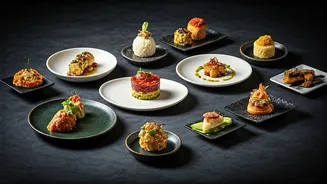
For decades, the blueprint for American fine dining was borrowed. Chefs trained in classical European methods, particularly French and Italian, and the pinnacle of achievement was a perfect interpretation of a continental classic. Luxury was defined by
scarcity and distance: truffles from Italy, caviar from the Caspian Sea, wagyu from Japan. The restaurant could be in Omaha or Orlando; the menu often aspired to the same global ideal. While delicious, this model created a certain homogeneity. A high-end tasting menu in one city could feel eerily similar to one in another, disconnected from its actual surroundings. It was an expression of a chef’s technical skill, but not necessarily a sense of place.
From Dollars to Terroir
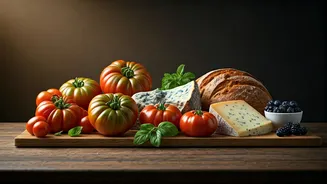
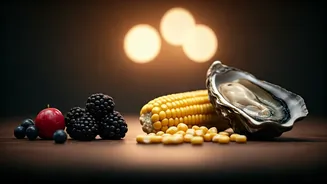
The phrase 'dining currency' isn't about the price tag, but the cultural capital a meal carries. Today, that value is increasingly tied to 'terroir'—a term borrowed from wine that describes how a region's specific environment affects the final product. A dish’s worth is now measured by its story. Where did this ingredient come from? What forgotten historical recipe was revived to make it? Who is the farmer that grew these specific heirloom carrots? This is the new currency. It’s the irreplaceability of an experience. You can get a decent steak anywhere, but you can only get pawpaw ice cream made from fruit foraged in the Ohio River Valley, or a dish built around the unique salinity of oysters from a specific Virginia cove, in one place. This exclusivity, rooted in authenticity and geography, is what diners are willing to travel for and what chefs are building their reputations on.
Pioneers of Place-Based Dining
This shift didn't happen overnight. It was driven by pioneering chefs who insisted on looking in their own backyards for inspiration. Chef Sean Brock, formerly of Husk in Charleston and Nashville, became a national figure by reviving heirloom Southern ingredients—everything from Carolina Gold rice to nearly-extinct varieties of corn and beans. His menus were edible history lessons. In the Ozarks, chefs are exploring the distinct culinary identity of a region long overlooked, using ingredients like wild persimmons and black walnuts. In the Pacific Northwest, the foraging culture has moved from a niche hobby to the backbone of celebrated restaurants, where menus change daily based on what the forest and sea provide. These chefs aren't just cooking; they're acting as culinary archivists and ecologists, proving that world-class food can be found in the unique bounty of any American region.
The Search for Something Real
So, why now? The trend is fueled by a perfect storm of cultural shifts. Diners, especially younger ones, are increasingly skeptical of generic luxury and hungry for authentic experiences. They want to know where their food comes from, not just for sustainability reasons, but for the story. The farm-to-table movement laid the groundwork, popularizing the idea of local sourcing. Now, regionalism takes it a step further, focusing not just on proximity but on identity. Furthermore, the internet and social media have made it easier to discover these hidden gems. A stunning photo of a dish made with wild Appalachian ramps can generate more buzz than another picture of a perfectly seared scallop. In a globally connected world, what's most valuable is what’s intensely, unapologetically local.