




A Land Where Rivers Carve the World
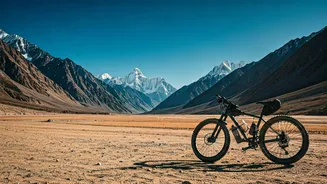
Tucked away in the rain shadow of the Himalayas, Spiti is a world apart. Its name translates to “The Middle Land,” and it feels like a lost kingdom suspended between India and Tibet. The landscape is defined not by forests but by geology, wind, and water.
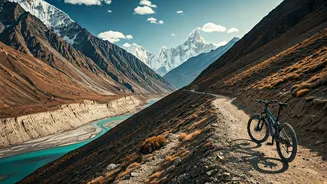
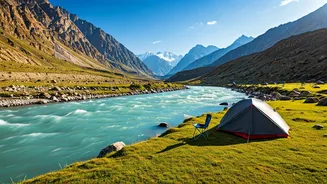
The Spiti River and its tributaries, like the Pin River, have spent millennia sculpting this starkly beautiful terrain. They rage with glacial meltwater in the summer and shrink in the fall, leaving behind vast, rocky floodplains and dramatic gorges. For a backpacker, this isn’t just scenery; it’s the map. The trails here are ancient, forged by monks, traders, and shepherds who learned to navigate this world by following the life-giving—and sometimes destructive—paths of its rivers.
Walking the Swirling Paths
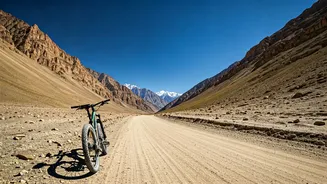
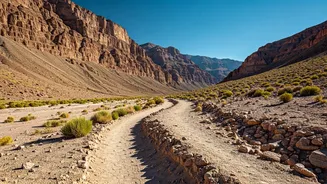
The phrase “swirling river paths” perfectly captures the experience. You’re not always walking *in* a dry riverbed, but rather tracing the river’s journey. One day, you might be on a dusty trail high on a canyon wall, with the river a silver ribbon hundreds of feet below. The next, you could be navigating a wide, gravelly floodplain, crossing smaller streams on rickety wooden bridges. The terrain is a constant, thrilling challenge. It’s dry, loose, and unforgiving under a high-altitude sun that feels twice as strong as at sea level. The “thrill” isn’t just about stunning views; it’s about the raw, visceral connection to the environment. Every step feels earned. Popular treks like the Pin-Parvati Pass or routes connecting the valley’s remote villages all rely on these river-carved corridors for passage, making the journey feel both epic and primal.
More Than Just a Mountain Trek
A trek in Spiti is a deep cultural immersion. This is one of the last remaining pockets of authentic Tibetan Buddhist culture. The trails connect some of the world’s oldest and most breathtaking monasteries, which seem to cling impossibly to cliffsides. Imagine hiking for hours through a silent, empty valley and arriving at the thousand-year-old Tabo Monastery, its mud-brick walls holding priceless ancient murals. Or climbing the steep path to Dhankar Monastery, perched precariously over the confluence of the Spiti and Pin rivers. Many treks incorporate homestays in tiny, isolated villages. Here, you share butter tea and roasted barley flour (tsampa) with local families, sleeping in simple rooms and gaining a profound appreciation for a way of life that has endured for centuries in one of the planet’s harshest environments.
Preparing for the High Desert
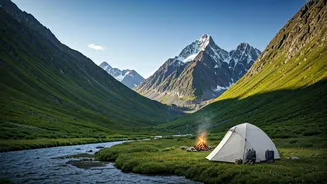
This is not a casual hike. The average altitude in Spiti Valley hovers around 12,500 feet, making acclimatization the single most important part of your preparation. Most travelers spend several days in gateway towns like Kaza, allowing their bodies to adjust before attempting any serious trekking. The weather is a game of extremes; daytime sun can be intense and searing, while temperatures plummet the moment the sun dips behind a peak. A solid layering system, high-SPF sunscreen, a wide-brimmed hat, and polarized sunglasses are non-negotiable. Because of the remote nature of the trails, hiring a local guide and porter is highly recommended for all but the most experienced and self-sufficient mountaineers. The main trekking season runs from June to September, when the high passes are clear of snow and the weather is most stable.