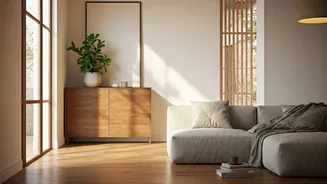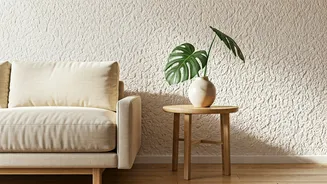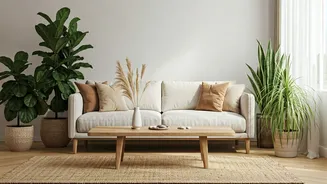



1. It Starts with Biophilic Design
This movement is rooted in a concept called 'biophilic design,' a term that sounds academic but is beautifully simple in practice. Coined by biologist Edward O. Wilson, 'biophilia' refers to humanity's innate tendency to seek connections with nature.
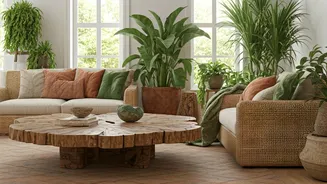
In home design, this translates to creating environments that purposefully connect us to the natural world. It’s more than just adding a fiddle-leaf fig to a corner; it's a holistic approach that considers how light, space, materials, and organic patterns can work together to reduce stress, improve cognitive function, and enhance our overall sense of well-being. It’s about creating a habitat, not just a house.
2. An Earth-Inspired Color Palette
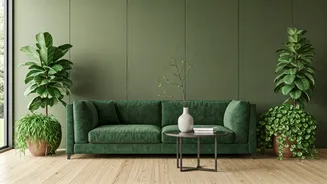
The foundation of a nature-inspired home is a color palette borrowed directly from the outdoors. Forget sterile whites and jarring neons. The 2026 calm mood is painted in shades of sage green, deep forest, earthy terracotta, and warm mushroom taupe. These colors are inherently soothing because they’re familiar to our primal brain. They evoke the tranquility of a walk in the woods or the quiet expanse of a desert landscape. Accent colors follow suit, with watery blues, sandy beiges, and soft, sun-bleached yellows creating a layered, organic feel that’s restorative rather than stimulating.
3. The Enduring Appeal of Natural Materials
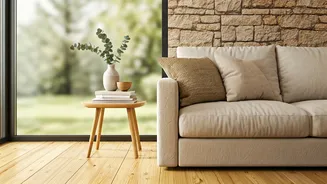
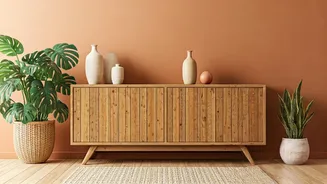
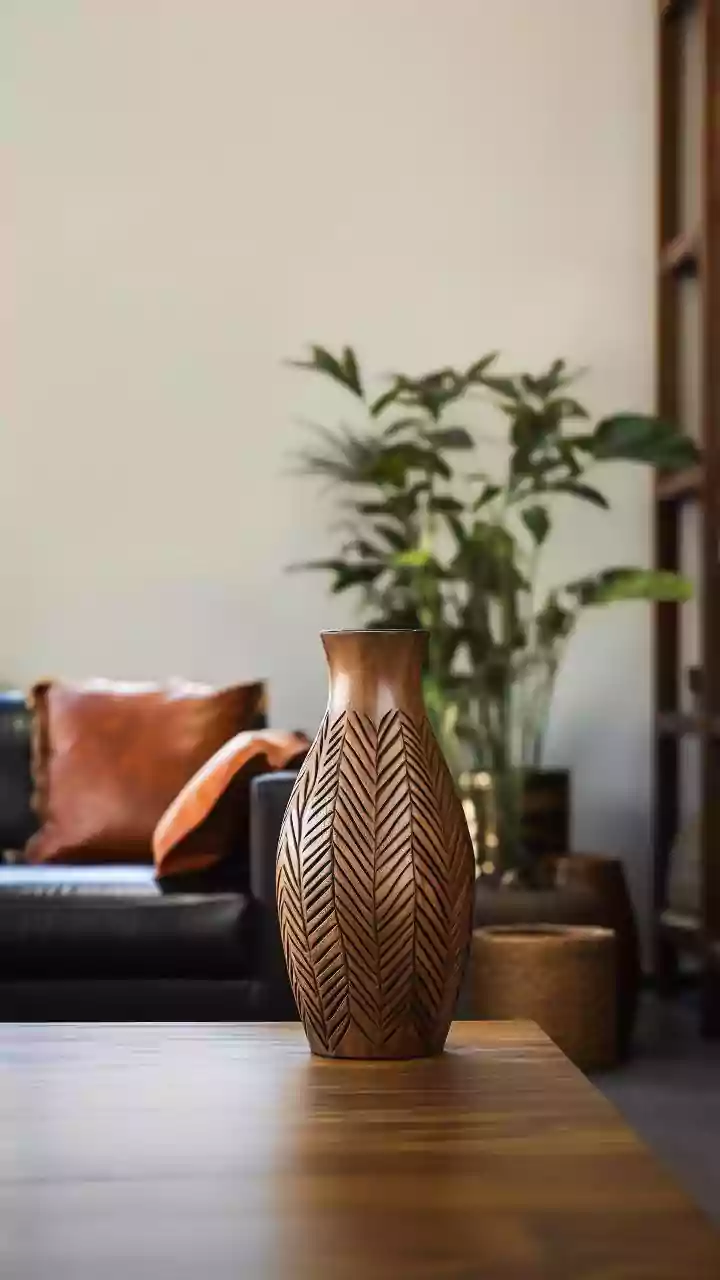
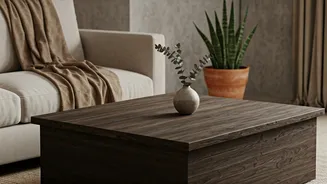
Texture is just as important as color in this design philosophy. Mass-produced plastics and cold, synthetic surfaces are giving way to materials that tell a story and feel good to the touch. Think unstained white oak floors, rugged slate countertops, woven rattan light fixtures, and chunky wool throws. Furniture and decor are embracing their natural state: linen curtains that catch the breeze, clay pottery with subtle imperfections, and leather that patinates with age. These materials provide a tactile richness that grounds us in the physical world, offering a welcome antidote to the slick, seamlessness of our digital lives.
4. Maximizing Every Ounce of Natural Light
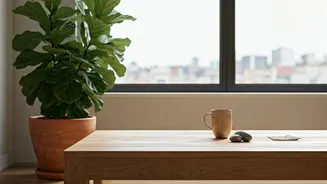
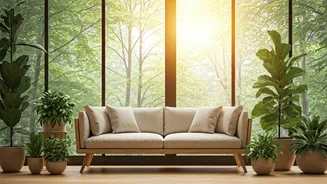
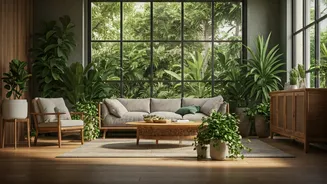
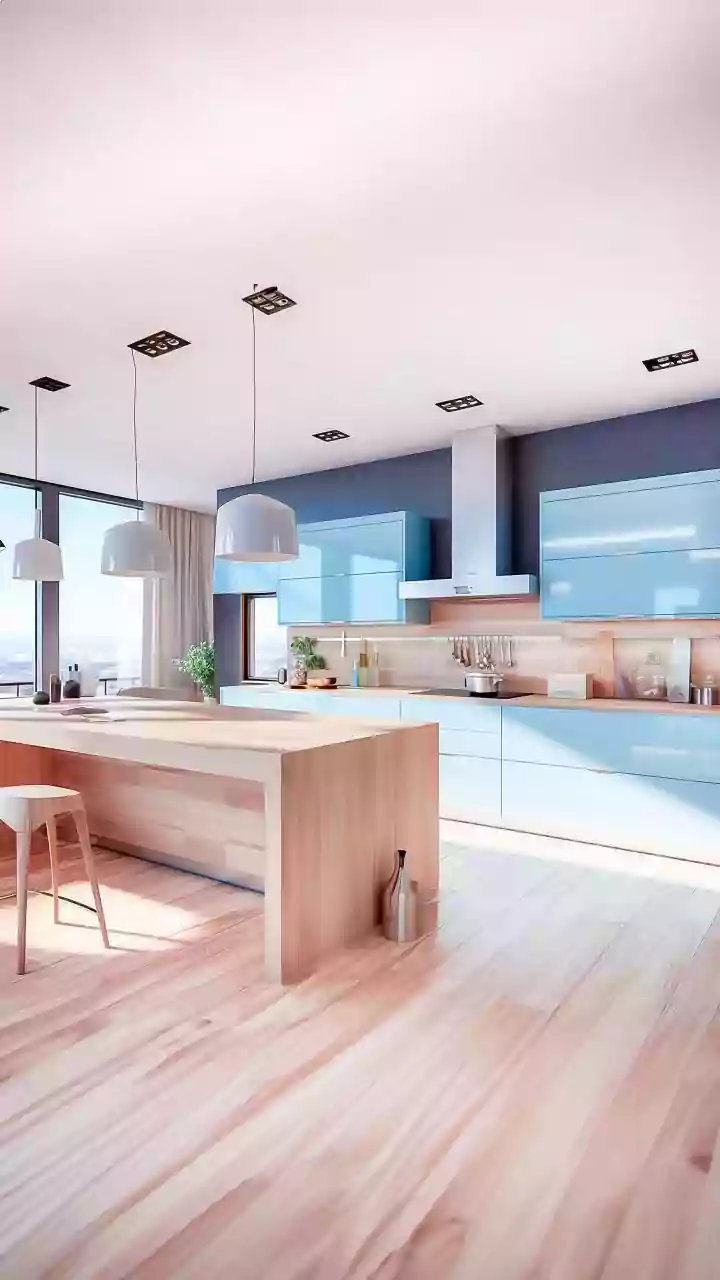
Natural light is a non-negotiable element. It’s a powerful mood booster and a key driver of our circadian rhythms. The trend leans into maximizing it at every opportunity. This can mean architectural changes like installing larger windows, skylights, or glass doors that create a seamless flow between indoors and out. But it also includes simpler strategies: using sheer window treatments instead of heavy drapes, placing mirrors opposite windows to bounce light around a room, and arranging furniture to avoid blocking natural light sources. The goal is to create bright, airy spaces that feel open and connected to the daily and seasonal cycles of the sun.
5. Bringing the Outdoors In, Literally
Of course, a nature-inspired home wouldn't be complete without actual nature. Houseplants have been popular for years, but this trend takes it a step further. We're seeing a rise in 'plant-scaping'—the intentional arrangement of plants to define a space, purify the air, and create lush focal points. From curated collections of small succulents on a windowsill to ambitious living walls that turn an entire surface into a vertical garden, greenery is being integrated as a core architectural element. Even small touches, like a vase of fresh-cut branches on a dining table, contribute to this sense of a living, breathing home.
6. Embracing Soft Edges and Organic Shapes
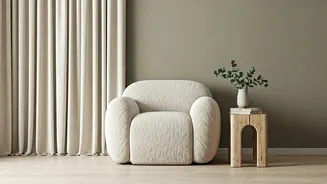
Finally, the calm mood is reflected in the shapes of our furniture and decor. The hard, severe lines of minimalist design are softening. Sofas are becoming curvier, coffee tables are taking on kidney-bean or pebble-like forms, and arches are reappearing in doorways and mirrors. This shift toward organic, imperfect silhouettes mimics the forms found in nature, which are rarely perfectly straight or symmetrical. These softer shapes create a more relaxed and inviting visual flow, encouraging you to unwind and feel at ease in your surroundings.