
From Rooftop Bars to Forest Floors
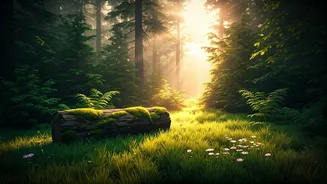
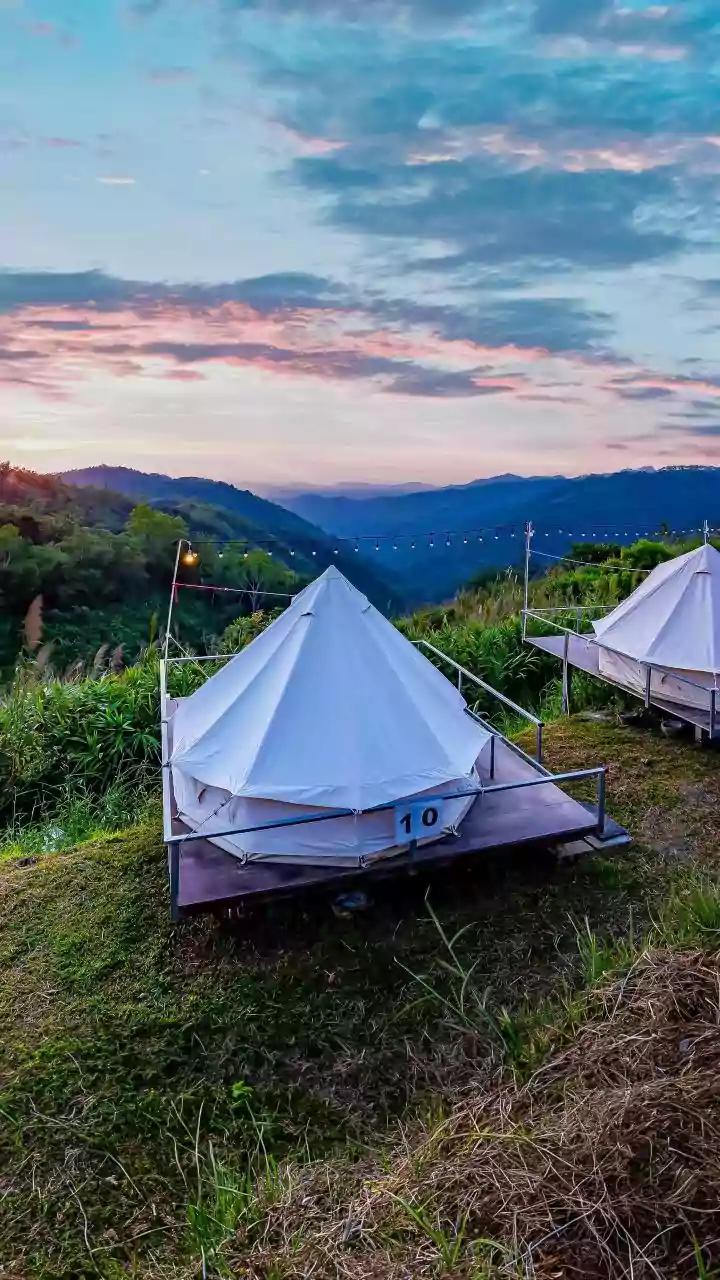
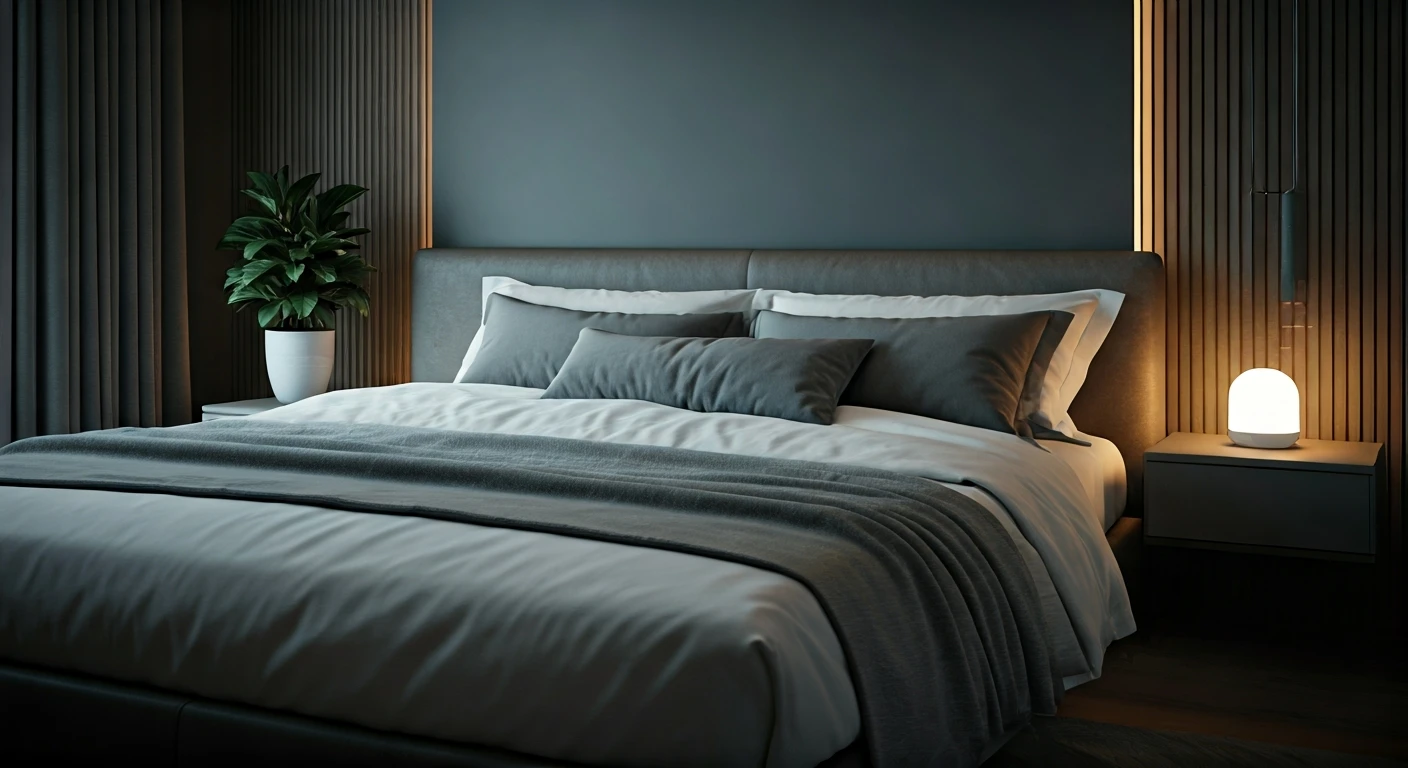
Let’s be clear: this isn’t your grandfather’s rugged camping trip involving a leaky tent and questionable campfire chili. A ‘forest break’ is a curated, comfortable, and highly photogenic escape into nature. Think minimalist cabins with floor-to-ceiling
windows framing dense woods, a strategically placed fire pit, and just enough amenities to feel civilized without spoiling the illusion of roughing it. It’s the wilderness, but with a Scandinavian design sensibility and a high thread-count duvet. The goal isn’t survival; it’s serenity. Companies like Getaway, Unyoked, and a host of independent hosts on Airbnb have perfected this formula, offering turnkey retreats within a few hours’ drive of major cities like New York, Los Angeles, and Austin. They sell not just a place to stay, but an experience: the chance to disconnect, recharge, and rediscover a quieter version of yourself.
The Great Urban Exhaustion
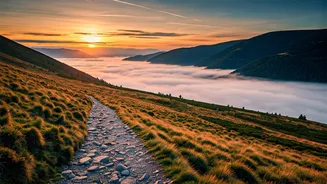
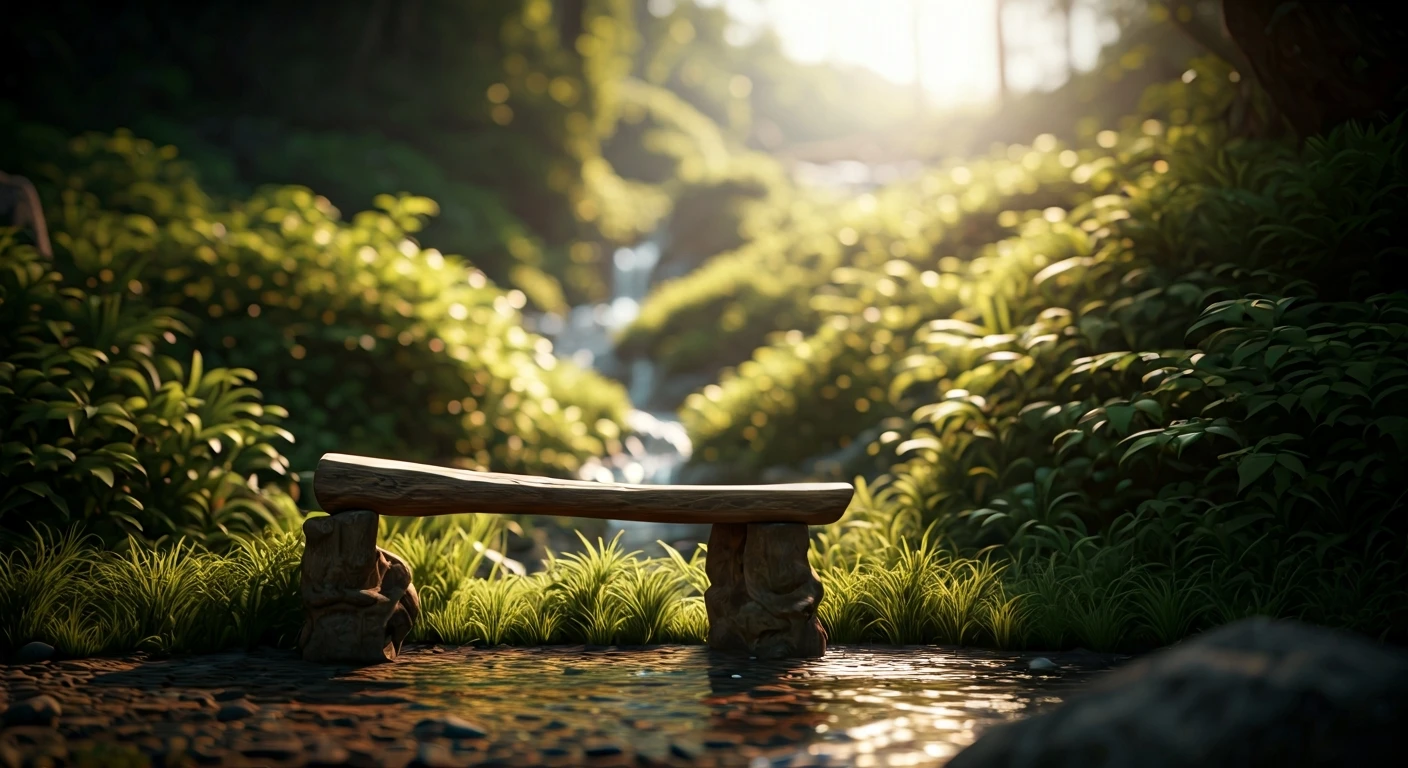
So, why the sudden exodus? The answer lies in the very cities these people are fleeing. Modern urban life, for all its excitement and opportunity, has become a masterclass in burnout. The relentless pace, the constant digital connectivity, the pressure to be ‘on’ 24/7—it all takes a toll. For a generation fluent in the language of hustle culture, the forest has become the ultimate antidote. It's a place where the only notification you hear is a bird call and the only feed you’re scrolling through is a trail of fallen leaves. Psychologists and wellness experts have long extolled the virtues of nature. The Japanese practice of *shinrin-yoku*, or ‘forest bathing,’ has been shown to reduce stress, lower blood pressure, and improve mood. What was once a niche wellness concept has now gone mainstream, repackaged as the perfect weekend prescription for urban exhaustion. A forest break isn’t just a vacation; it’s a form of self-care, a deliberate act of pushing back against a culture that demands constant productivity.
A Pandemic-Fueled Phenomenon
While the desire for a digital detox was simmering for years, the pandemic threw gasoline on the fire. Confined to small apartments during lockdowns, city dwellers developed a profound craving for open space and fresh air. Suddenly, the ability to walk among trees felt less like a pleasantry and more like a primal need. Remote work further untethered people from their urban hubs, making a mid-week escape to a woodland cabin not just possible, but practical. This shift fundamentally altered the value proposition of city living. If you could work from anywhere, why not spend a few days working from a desk with a better view? The pandemic also highlighted the fragility of our crowded, interconnected systems, prompting a collective turn toward things that felt more simple, tangible, and real. Baking sourdough was the first phase; escaping to a cabin in the woods was the logical next step.
The Curated Cabin Economy
Naturally, where there's a trend, there’s a market. The rise of the forest break has fueled a booming industry built around selling a simplified, aesthetically pleasing version of nature. It’s a paradox: the experience of ‘disconnecting’ is now a slickly marketed, easily bookable consumer product. These curated cabins often come with a lockbox for your phone, encouraging a digital detox while simultaneously being perfectly designed for an Instagram post announcing that very detox. The aesthetic—often dubbed ‘cabin-core’—is a powerful force on social media, filled with images of crackling fires, steaming mugs of coffee, and cozy flannel blankets. Critics might argue that this commodifies nature, turning a genuine escape into a performance of one. But it also makes the experience accessible. For people who don't own camping gear or have the skills for a true backcountry adventure, these services lower the barrier to entry, offering a safe and comfortable gateway to the great outdoors.