
The Psychology of a Seasonal Show
Perennials are the reliable foundation of a garden, the sturdy furniture you invest in for the long haul. Annuals, however, are the party decorations. Because they complete their entire life cycle in one season, they are genetically programmed to put
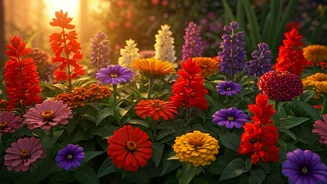
on a spectacular, non-stop show from late spring until the first frost. This temporary, high-impact performance is what creates a celebratory feeling. You aren't making a ten-year commitment; you're just deciding what this summer’s theme will be. This freedom from permanence encourages experimentation. Don’t like the color combo you chose this year? No problem. Next spring, you get a completely blank slate to design a new festival of color.
Designing for Delight in Tight Quarters
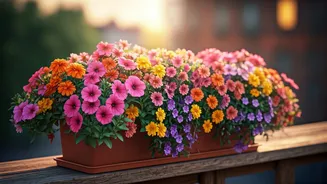
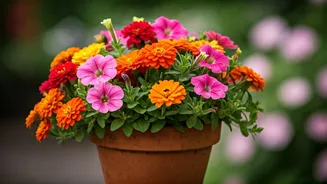
In a small garden, every plant has to earn its keep. Annuals are perfect for this role because they deliver maximum impact in a minimal footprint. The key is to think in layers and combinations. The classic container design rule of “thriller, filler, spiller” is your best friend. The 'thriller' is a tall, eye-catching plant in the center (like an Angelonia or Celosia). The 'filler' provides mass and body around it (like Petunias or Marigolds). And the 'spiller' tumbles gracefully over the edge of the pot (like Sweet Potato Vine or Calibrachoa). Applying this concept, even in a small window box or a single large pot, creates a complete, professional-looking arrangement that makes the entire space feel more intentional and joyful.
Workhorse Annuals for Sun
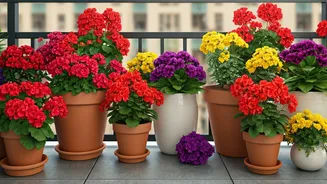
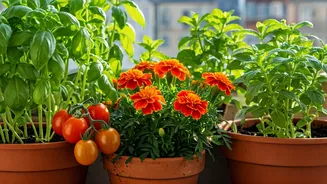
If your space gets at least six hours of direct sun, you have a wealth of options. Zinnias are a stellar choice, offering a rainbow of colors from dwarf varieties perfect for pots to taller types that can create a mini-meadow in a small bed. They are magnets for pollinators and make fantastic cut flowers to bring the celebration indoors. Similarly, 'Supertunia' Petunias are bred to be relentless bloomers that require minimal deadheading. They cascade beautifully from hanging baskets and containers, creating living waterfalls of color all summer long. For a tough-as-nails option, Marigolds are classic for a reason. They thrive on heat, deter pests, and their cheerful pom-poms of yellow, orange, and red feel like pure sunshine.
Bright Stars for the Shade
Shady spots don't have to be boring. In fact, they can be opportunities for a different kind of vibrancy. Impatiens are the undisputed kings of shade color, providing lush mounds of blooms in white, pink, red, and purple. They fill in quickly and create a carpet of color that can light up a dim corner. For a more modern and dramatic look, try Coleus. While it does flower, its main appeal is its stunning foliage, which comes in electrifying shades of chartreuse, magenta, deep burgundy, and intricate patterns. A single pot of a brightly colored Coleus can have the same visual impact as a dozen blooming flowers. Begonias also thrive in shade, offering both interesting leaves and waxy, resilient flowers that look perfect from the first day to the last.
Don't Forget the Supporting Cast
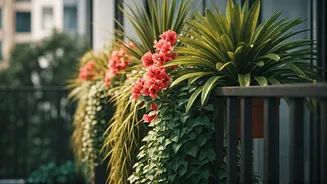
A truly celebratory garden isn't just about the flowers; it's about texture and form. This is where foliage annuals come in. A trailing Sweet Potato Vine, with its chartreuse or deep purple heart-shaped leaves, can make any container combination look more lush and complete. Dusty Miller offers a soft, silvery-white texture that makes neighboring colors pop. Using these non-flowering annuals provides a backdrop that elevates the whole arrangement. They are the greenery and ribbons in the bouquet, providing a visual resting place and making the bright colors of your main flowers seem even more brilliant.