
The New Social Currency
In the United States, a 'travel flex' might be a weeklong ski trip to Aspen or a whirlwind tour of Italian vineyards. But in Kolkata, a bustling cultural hub in eastern India, the new status symbol is something far more accessible: a long weekend in Bangkok
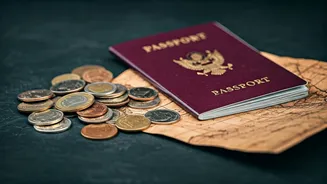
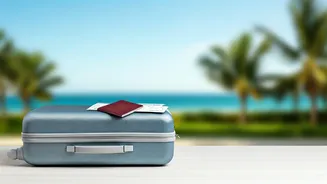
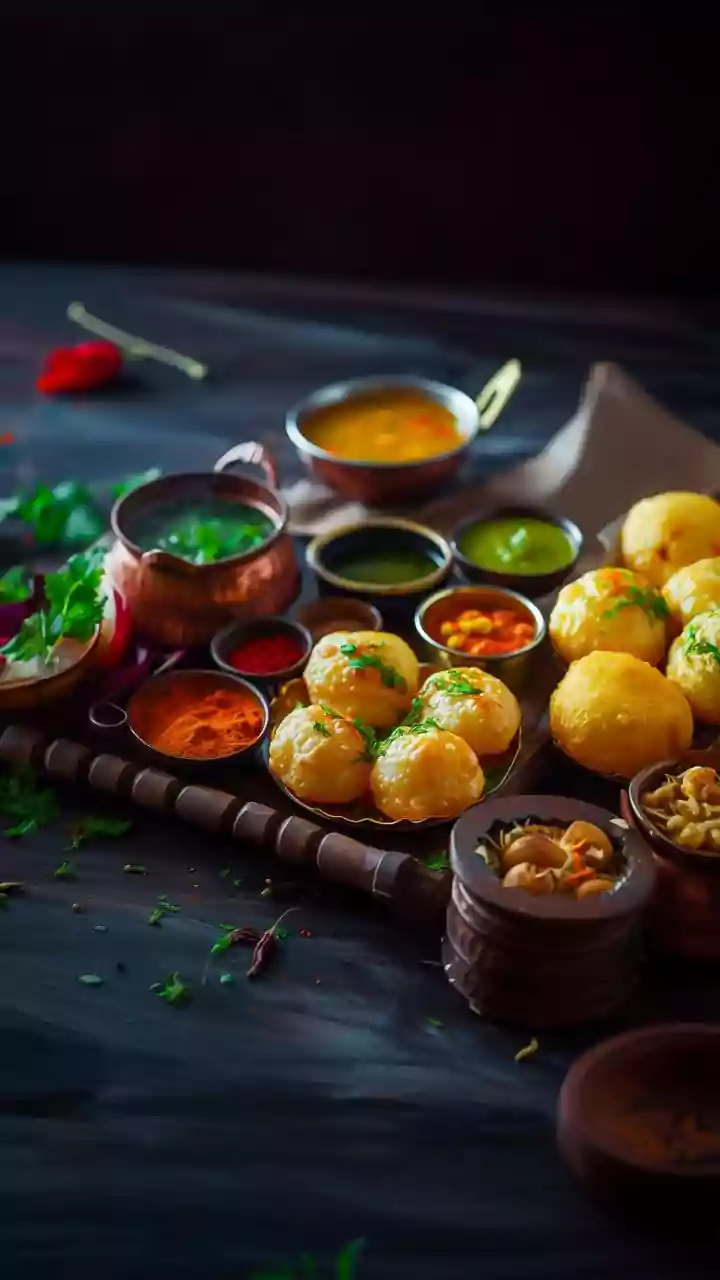
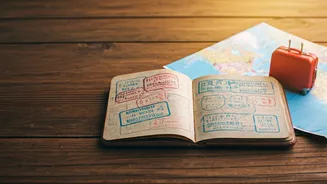
or a coastal getaway to Bali. For the city’s burgeoning middle and upper-middle class, these quick, affordable international trips have become the ultimate social currency. It’s not about spending the most money; it’s about collecting experiences and, more importantly, the passport stamps to prove it. The Instagram feed, once dominated by photos from local festivals or domestic hill stations, is now a vibrant collage of Thai street food, Vietnamese rice paddies, and Balinese temples. This isn't just a vacation trend; it’s a quiet cultural revolution where a well-traveled life, even one built on budget airlines and modest hotels, outranks traditional displays of wealth.
An Economic Story
So, why now? The shift is rooted in simple economics and a profound change in mindset. For decades, international travel from India was largely the domain of the ultra-rich or those visiting family abroad. But as India's economy has expanded, it has created a new class of consumers with disposable income and a voracious appetite for global experiences. Post-pandemic wanderlust has only accelerated this desire. People in cities like Kolkata are prioritizing experiences over possessions. Instead of saving for a more expensive car or a larger apartment, many are channeling their funds toward seeing the world. Travel companies have responded in kind, offering all-inclusive packages to nearby countries that often cost less than a peak-season vacation to popular domestic destinations like Goa or Kerala. The dream of an international holiday is no longer a once-in-a-lifetime event but a repeatable, achievable goal.
The Southeast Asian Sweet Spot
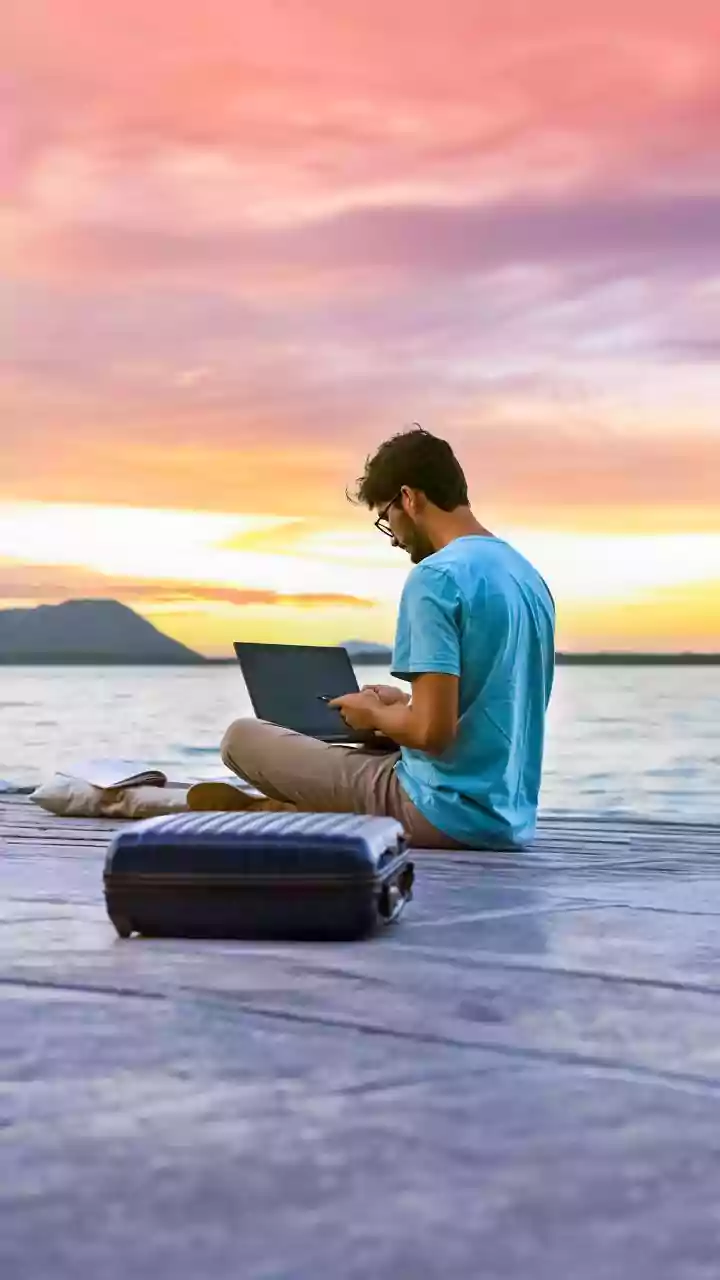
The geography of this new travel boom is key. Kolkata’s location makes it a perfect launchpad for exploring Southeast Asia. Direct flights to Bangkok, Singapore, and Kuala Lumpur are short—often under four hours—and increasingly frequent. This proximity dramatically cuts down on both travel time and cost. Furthermore, countries like Thailand, Vietnam, Malaysia, and Indonesia offer an irresistible combination of affordability, cultural novelty, and streamlined visa processes. The Indian rupee goes a long way, allowing travelers to enjoy street food, shopping, and unique excursions without breaking the bank. For many Kolkatans, the ability to hop on a plane on a Thursday night and be exploring a foreign city by Friday morning is a powerful symbol of freedom and modernity.
More Than Just a Vacation
Ultimately, this trend signifies something deeper than just a change in holiday preferences. It reflects a city and a generation that is more globally connected and aspirational than ever before. Each trip is a story, a collection of shared moments that become social capital back home. Discussing the best place for pho in Hanoi or sharing tips on navigating Bangkok’s markets has become a new form of social bonding. It’s a way of signaling that you are part of a modern, outward-looking India. This isn't about escaping Kolkata; it's about bringing a piece of the world back to it. The 'flex' isn't the expense account extravagance of old-world travel. It's the savvy, experience-rich journey that says, 'I am a citizen of the world,' and proves it one budget-friendly trip at a time.