

A Symphony for the Senses
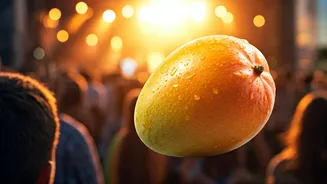
Forget the handful of mango varieties you might find at your local supermarket. Stepping into the Aam Mahotsav, or Mango Festival, hosted by Delhi Tourism, is a full-body immersion into a world dedicated to a single fruit. The air is thick with the competing
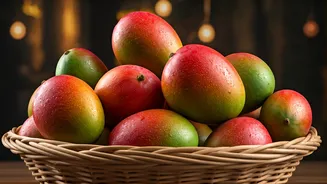
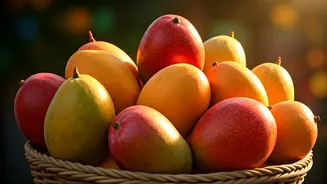
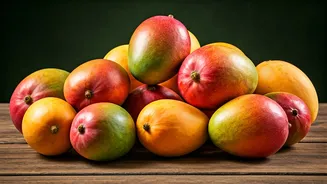
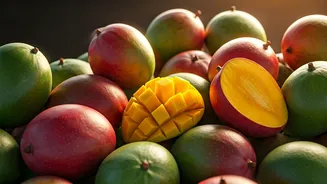
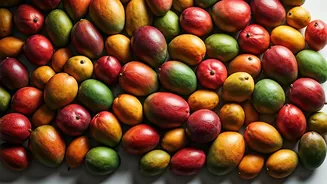
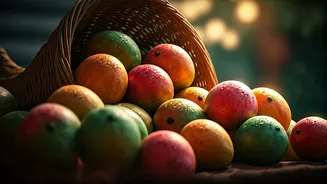
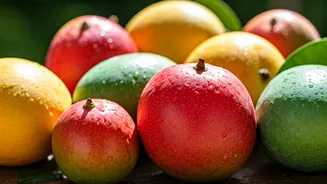
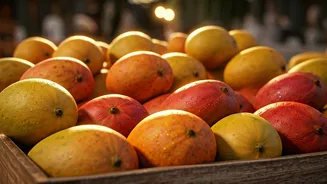
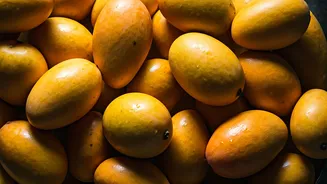
perfumes of hundreds of mango types—some floral, some spicy, some honey-sweet. Stalls are piled high with pyramids of fruit in a dazzling array of colors: vibrant yellows, blushing pinks, deep oranges, and every shade of green. The sound is a cheerful chaos of vendors calling out their wares, families debating their favorite finds, and the happy slurps of festival-goers participating in mango-eating competitions. It’s not just a market; it’s a coronation for the undisputed king of Indian fruits.
More Than Just a Fruit
To understand the festival's magic, you first have to understand India's love affair with the mango. This isn't just about a tasty snack; it's a deep-seated cultural touchstone. The mango appears in ancient Hindu scriptures, is a symbol of love and fertility, and has inspired centuries of poetry and art. The paisley pattern, a globally recognized design, is said to be modeled on the shape of a young mango. Gifting a box of the season’s first mangoes is a cherished gesture of friendship and respect. The arrival of mango season each summer signals a release from the oppressive pre-monsoon heat and ushers in a period of joyful indulgence. The Delhi Mango Festival, typically held in July, is the grandest public expression of this nationwide passion, bringing farmers and aficionados together in a colorful, chaotic, and utterly delicious celebration.
A Dazzling Parade of Kings
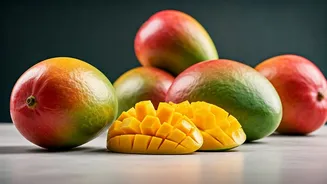
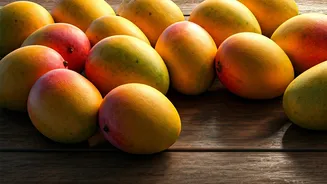
The main event, of course, is the staggering variety. The festival showcases over 500 cultivated varieties of mangoes from across the country, each with its own unique name, personality, and fiercely loyal following. You’ll find the world-famous Alphonso, known for its creamy, non-fibrous texture and saffron-hued flesh. But the real adventure lies in discovering the lesser-known gems. There's the Langra, a greenish variety from Uttar Pradesh with a slightly tart, citrusy kick. The Dasheri is long, slender, and intensely sweet. The Chausa, a late-season favorite, is known for its sugary pulp and near-divine aroma. Farmers proudly display their prized specimens, some with wonderfully descriptive names and others humorously named after celebrities or public figures. For a foodie, it's like a wine tasting, but with a spectrum of flavors and textures that most Americans have never had the chance to experience.
Beyond the Whole Fruit
While sampling raw mangoes is the primary draw, the festival is also a showcase for mango ingenuity. Entrepreneurs and chefs present a dizzying array of mango-based products. You can sip on fresh-pressed juices and thick, yogurt-based mango lassis. You can sample mango pickles (aachar), sweet and spicy chutneys, and dried mango slices (aam papad). More adventurous stalls might even offer experimental dishes like mango pizza or savory mango curries. Beyond the food, the event is a full-fledged cultural fair. There are cooking demonstrations, magic shows for children, and traditional music and dance performances that fill the evenings. The highlight for many is the all-out mango eating competition, a messy, joyous spectacle where contestants race to devour pounds of the fruit as quickly as possible, to the cheers of a delighted crowd.