




From ‘Less Bad’ to ‘Actively Good’
For decades, the pinnacle of a “healthy” soft drink was one that simply did less harm. Think diet sodas and zero-sugar everything. The entire marketing pitch was built on subtraction: zero calories, zero sugar, zero guilt. But a massive psychological
shift is underway. Consumers, particularly Millennials and Gen Z, are no longer satisfied with products that are merely “less bad.” They are actively seeking out foods and beverages that provide a positive benefit, a concept the industry calls “functional” products. It’s a move from defensive health (avoiding the bad) to offensive health (adding the good). Gut health has become the perfect vehicle for this transition. It’s a wellness concept that feels both scientific and holistic, turning a simple can of soda from an empty indulgence into a proactive step toward self-care.
The Billion-Dollar Buzzwords
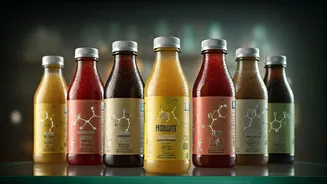
The new functional drinks are built on a vocabulary that was once confined to health food stores. The star players are probiotics and prebiotics. In simple terms, probiotics are live, beneficial bacteria that can contribute to a healthy gut microbiome. Think of the active cultures in yogurt or kimchi. Prebiotics, on the other hand, are a type of dietary fiber that your body can’t digest. Instead, they act as food for the good bacteria already living in your gut. Ingredients like chicory root, Jerusalem artichoke, and cassava root are common sources. Some drinks also include apple cider vinegar, which proponents claim aids digestion, or adaptogens—herbs and mushrooms believed to help the body resist stress. By adding these ingredients, beverage companies are transforming a simple drink into a delivery system for wellness, giving consumers a tangible reason to choose their product over a traditional one.
Meet the New Soda Superstars
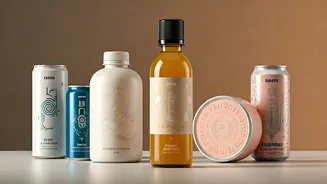
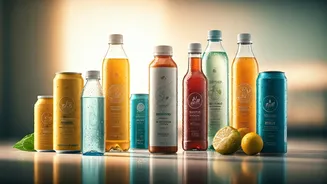
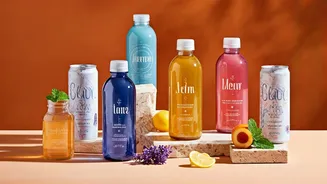
This trend isn’t just bubbling up in theory; it’s dominated by a few key brands that have cracked the code. Companies like Olipop and Poppi have become household names by executing a brilliant strategy: they mimic the nostalgic, comforting flavors of classic sodas—like root beer, vintage cola, and orange squeeze—but infuse them with their gut-friendly formulas. Their branding is a masterclass in modern marketing, with pastel-colored cans, savvy social media campaigns on platforms like TikTok, and a message that blends indulgence with virtue. They’ve successfully positioned themselves not as a sad substitute for soda, but as an upgrade. This has allowed them to command a premium price (often $2.50 or more per can) and rapidly steal market share, forcing legacy giants like Coca-Cola and PepsiCo to either acquire these startups or scramble to develop their own functional competitors.
Why Now? The Post-Pandemic Wellness Boom
The rise of the gut-friendly drink isn’t happening in a vacuum. It’s a direct result of a broader cultural obsession with wellness that accelerated dramatically during and after the pandemic. Consumers became more attuned to their health, with immunity, mental clarity, and digestive well-being moving to the forefront. The concept of the “gut-brain axis”—the idea that a healthy digestive system is linked to mood and mental health—went from a niche scientific theory to mainstream conversation. This created the perfect storm. Anxious and health-conscious consumers were looking for simple, accessible ways to feel more in control of their well-being. A can of prebiotic soda offers just that: an easy, low-effort way to do something good for your body, a small ritual of self-care in a can.
But Do They Actually Work?
Herein lies the billion-dollar question. While ingredients like prebiotic fiber are generally recognized as beneficial for gut health, the efficacy of any single product depends on the type and amount of the functional ingredients it contains. Some nutrition experts are skeptical, noting that the few grams of fiber in a single can might be less impactful than simply eating a balanced, plant-rich diet. But for beverage companies, the clinical reality is almost secondary to the perceived benefit. The headline says it best: these drinks make consumers *feel* more useful. They solve a modern consumer dilemma by offering permission to indulge. You’re not just having a soda; you’re supporting your microbiome. This psychological payoff—the feeling of making a virtuous choice without sacrifice—is arguably the most powerful ingredient of all.