



The Squeak Heard 'Round the World
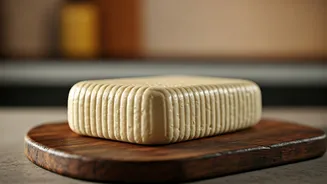
We’ve all been there. You order palak paneer, full of hope, only to bite into a cube of cheese with the texture of a pencil eraser. It squeaks against your teeth, a culinary distress signal. That, my friends, is the tragedy of mass-produced paneer. Most
of what you find vacuum-sealed in grocery stores is pressed into dense, firm submission, designed for a long shelf life and easy cubing. It’s functional, sure. It adds protein and bulk. But it repels sauce rather than absorbs it, sitting in your curry like a stubborn houseguest who refuses to mingle. It does the job, but it brings no joy. For years, this was simply the accepted reality for anyone cooking Indian food at home without access to a specialty shop making fresh batches daily.
Why Homemade Became the New 'Flex'
Something shifted during the last few years of intense home cooking. As people mastered the arts of bread-making and fermentation, they started looking for the next simple-but-transformative kitchen project. Enter paneer. Making your own cheese sounds intimidating, like something that requires special cultures and a sterile lab. But paneer is, in fact, one of the simplest cheeses in the world. It’s an acid-set fresh cheese, meaning you just need milk, an acid (like lemon juice or vinegar), and a bit of heat. The 'flex' isn’t about mastering a complex, difficult technique. It’s about demonstrating care. It’s a quiet proclamation that you understand texture is as important as flavor, and you’re willing to put in a tiny bit of extra effort for a vastly superior result. It says, 'I don’t settle for squeaky cheese.'
The Science of Softness
The difference between that rubbery block and a cloud-like homemade version comes down to two things: ingredients and pressure. Commercial paneer often starts with milk that has been processed for stability, and it’s almost always made with vinegar, which can create a slightly firmer curd. But the real culprit is pressure. To create perfectly uniform, shippable bricks, industrial presses squeeze every last drop of whey out of the curds, compacting them into a dense, non-absorbent block. When you make it at home, you are in control. You can use high-quality, full-fat milk—the fresher, the better (just avoid ultra-pasteurized, which doesn’t curdle well). You can use lemon juice for a softer, more tender curd. Most importantly, you control the press. By applying just enough weight to form a cohesive block—but not so much that you squeeze the life out of it—you create a paneer that is light, porous, and ready to drink up whatever delicious sauce you put it in.
Your Path to Paneer Perfection
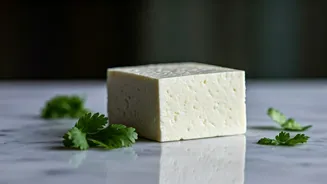
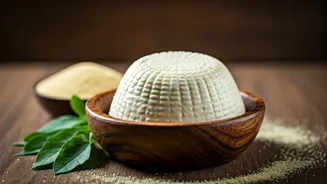
Ready to try? It’s astonishingly simple. Bring a half-gallon of whole milk to a gentle boil in a heavy-bottomed pot. The moment it foams up, kill the heat and stir in about a quarter-cup of lemon juice. Stir gently just once or twice more until you see the magic happen: the milky white solids (the curds) will separate from the watery, greenish-yellow liquid (the whey). Let it sit for five minutes, then pour the mixture through a cheesecloth-lined colander. Gather the corners of the cheesecloth, give it a gentle squeeze to release some of the hot whey, and then shape it into a flat disc or square. Place it on a plate, put another plate on top, and add a light weight—a can of tomatoes or a teapot full of water is perfect. Press for 20-30 minutes for an exceptionally soft, crumbly paneer, or up to an hour for something sliceable but still tender. That’s it. You just made cheese.
How to Use Your Superior Paneer
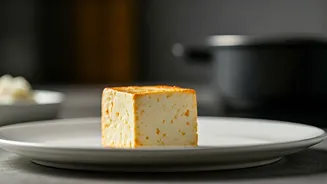
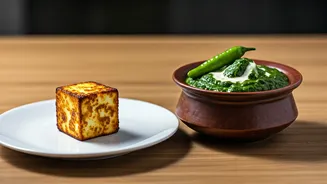
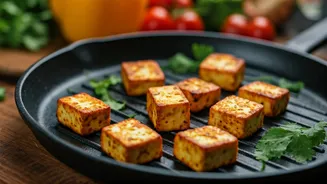
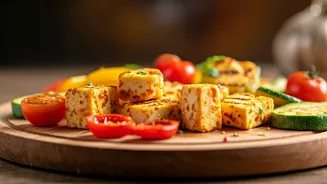
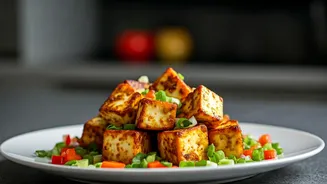
Once you have this beautiful, creamy paneer, the world is your oyster. Yes, it will transform your palak paneer or matar paneer into the silkiest, most luxurious version you’ve ever had. But don’t stop there. Because it’s so tender, homemade paneer is perfect for malai kofta, the delicate cheese-and-potato dumplings served in a creamy sauce. Or, try the ultimate simple preparation: cut it into thick slabs, pat dry, and pan-sear it in ghee or butter until it develops a golden-brown, crispy crust. The inside will stay custardy and soft. Sprinkle with flaky salt and a bit of chaat masala, and you have an appetizer that will stun your guests into silence. It’s also amazing crumbled into salads, scrambled with spices like eggs, or stuffed into parathas. You’ll never look at that plastic-wrapped brick the same way again.