





Lodi Garden: Where History Breathes
Lodi Garden isn’t hidden, but its profound quiet is. For many U.S. travelers focused on grander monuments, its true nature remains a secret. This is not just a park; it's an open-air museum where the 15th and 16th-century tombs of Sayyid and Lodi dynasty
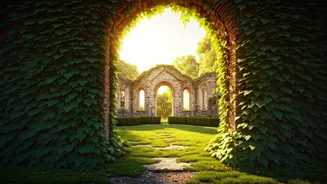
rulers stand amidst manicured lawns and flowering shrubs. Morning walkers trace paths around the Bara Gumbad mosque, while families picnic in the shadow of Sikandar Lodi's tomb. The magic of Lodi Garden is how seamlessly it blends everyday life with centuries of history. It's the perfect place to start your green tour of Delhi, offering a glimpse into a time when the city was a collection of gardens and grand mausoleums.
Sunder Nursery: A Mughal Dream Reborn
Adjacent to the famous Humayun’s Tomb, Sunder Nursery was, for decades, little more than a neglected patch of land. Today, after a decade-long restoration project, it has been reborn as one of the world's great public parks. Earning a UNESCO Asia-Pacific Award for Cultural Heritage Conservation, it's a stunning example of thoughtful renewal. The park is a 90-acre heritage complex featuring 15 Mughal-era monuments, some beautifully restored and others left as evocative ruins. Its central axis, inspired by traditional Mughal gardens, is lined with water channels that reflect the sky, creating a breathtaking vista. With its Bonsai House, abundant birdlife, and carefully curated plant collections, Sunder Nursery feels less like a city park and more like stepping into a painting.
Mehrauli Archaeological Park: The Ultimate Treasure Hunt
If Lodi Garden is a curated gallery and Sunder Nursery a perfect restoration, Mehrauli Archaeological Park is a wild, sprawling adventure. Located next to the iconic Qutub Minar, this 200-acre park is often completely missed by tourists who visit the famous tower and leave. Their loss is your gain. The park is scattered with over 100 historically significant monuments spanning centuries of Delhi's history, from the Khalji dynasty to the Mughal and British eras. There are no neat pathways or clear signposts for every ruin. Instead, exploring Mehrauli feels like a treasure hunt. You can stumble upon the striking Jamali Kamali Mosque and Tomb, the stepwell of Rajon ki Baoli, and the ruins of Balban's Tomb, all while navigating wooded trails. It's Delhi's history in its most untamed, atmospheric form.
The Garden of Five Senses: A Modern Sanctuary
A contrast to Delhi's historical parks, the Garden of Five Senses is a modern creation designed for pure sensory engagement. Spread over 20 acres in the Said-ul-Ajaib area, it is, as the name promises, a space meant to be experienced through sight, sound, smell, touch, and taste. The park is sectioned into distinct areas, like the Khas Bagh, a formal garden modeled on Mughal patterns, and a series of magnificent stainless steel bird sculptures that seem to take flight from a bed of flowers. Stone and terracotta sculptures are scattered throughout, inviting touch. Fragrant shrubs, wind chimes, and flowing water create a symphony of stimuli designed to calm the mind. It's less a place for a history lesson and more a destination for mindful relaxation.
Hauz Khas: Where Past Meets Present
Hauz Khas Village is famous among travelers for its trendy boutiques and rooftop cafes overlooking a picturesque lake. But the real escape is the vast green area that surrounds this urban hub. The Hauz Khas Complex includes the ruins of a 14th-century madrasa (Islamic seminary) and the tomb of its founder, Firoz Shah Tughlaq, all set against the backdrop of a sprawling reservoir built to supply water to the city. Adjacent to the ruins is a large, protected Deer Park, where you can see spotted deer, peacocks, and countless birds. It's a remarkable collision of worlds: a medieval water-body, a protected forest, and a contemporary social hub, all existing side-by-side. You can spend an afternoon exploring ancient tombs and then watch the sunset over the water from a modern cafe—a uniquely Delhi experience.