

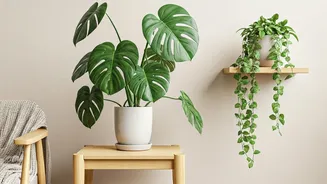


They Add Living Sculpture
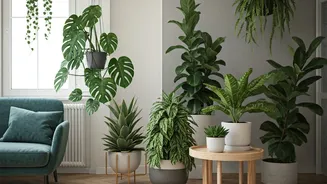
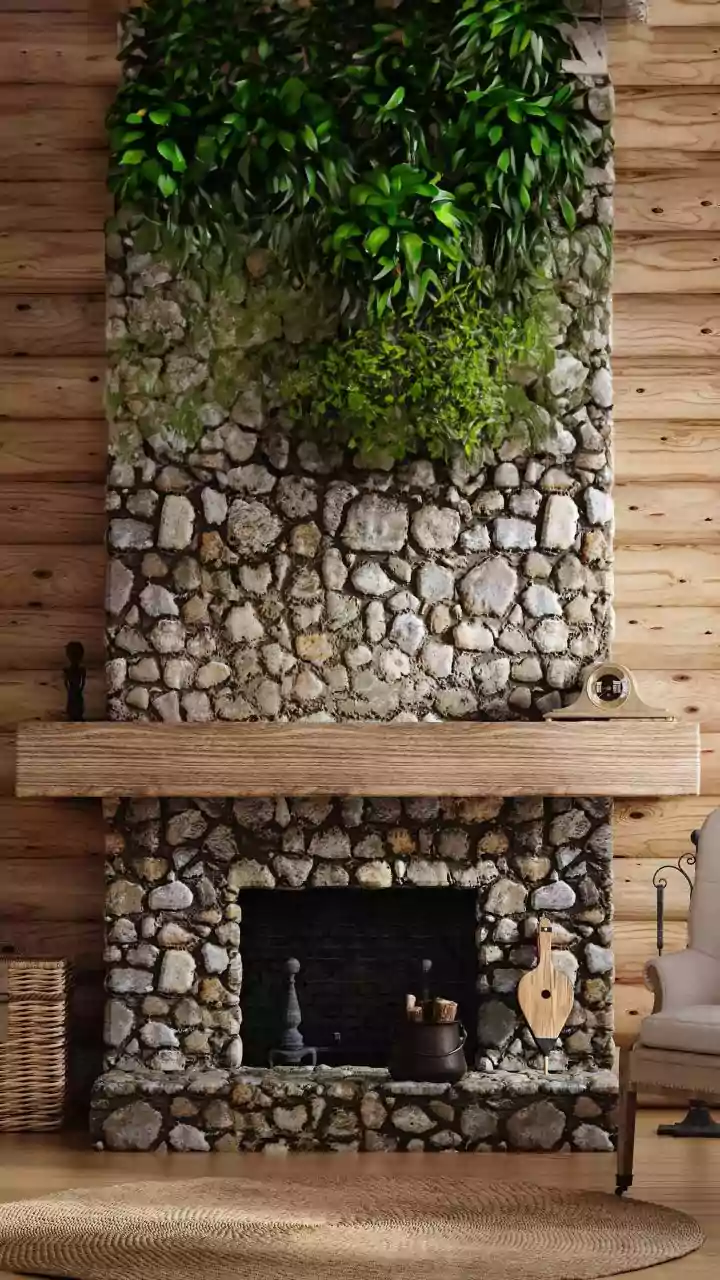
Furniture and decor often rely on straight lines and hard surfaces. A plant, by its very nature, is organic and ever-changing. A fiddle-leaf fig with its broad leaves and statuesque trunk acts as a piece of living sculpture, commanding attention in a corner.
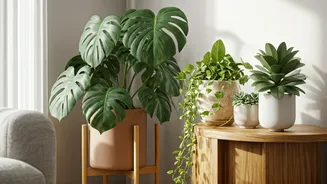
A trailing pothos cascading from a bookshelf introduces dynamic, flowing lines that static objects can’t replicate. Unlike a vase or a lamp, a plant has a presence. It grows, it shifts, and it introduces a layer of unpredictability that makes a designed space feel less like a showroom and more like a home.
They Introduce Natural Texture
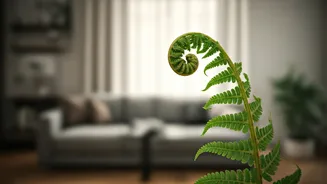
Interior design is a tactile experience, and texture is key to creating depth and interest. While you have the soft weave of a throw blanket or the smooth finish of a coffee table, plants offer a unique texture all their own. Think of the velvety leaves of an African violet, the waxy sheen of a snake plant, or the feathery fronds of a fern. These natural surfaces play with light differently and provide a crucial contrast to man-made materials like metal, glass, and plastic. This textural variety is what makes a room feel layered, rich, and thoughtfully curated.
They Master the Use of Color
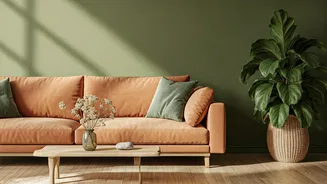
Green is nature’s neutral. It’s a color that complements nearly any palette, from warm earth tones to cool blues and grays. A splash of vibrant green can energize a monochrome room, providing a focal point without overwhelming the senses. For designers, it’s a secret weapon. A room filled with neutral furniture can instantly feel more intentional and alive with the addition of a few well-placed plants. Furthermore, with countless varieties available, you can find plants with leaves variegated with white, pink, or deep purple, allowing you to use them as subtle, sophisticated color accents that tie your whole design scheme together.
They Solve Awkward Spaces
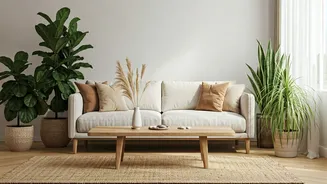
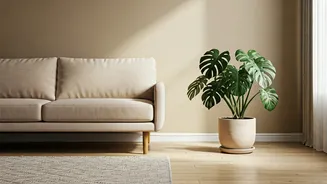
Every room has one: the awkward, empty corner. It’s the space behind an armchair or the void next to a media console where nothing seems to fit. A tall, slender plant like a dracaena or a Kentia palm is the perfect solution. It fills vertical space, drawing the eye upward and making the room feel larger. A plant can soften hard architectural corners, hide unsightly outlets, or create a graceful transition between two different zones in an open-plan layout. Instead of trying to find another piece of furniture to fill a gap, let a plant do the work with natural elegance.
They Connect Us to Nature
The feeling that plants “complete” a room isn’t just an aesthetic judgment; it’s rooted in psychology. The concept of biophilia suggests that humans have an innate tendency to seek connections with nature. Bringing plants indoors satisfies this subconscious need, reducing stress and promoting a sense of calm and well-being. A room full of inanimate objects can feel cold, but a room with living things feels nurturing. That gentle, positive energy is the intangible element that truly finishes a space, transforming it from a decorated house into a welcoming home.