



More Than a Window Box
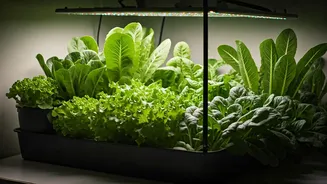
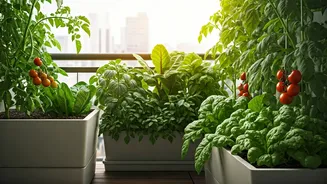
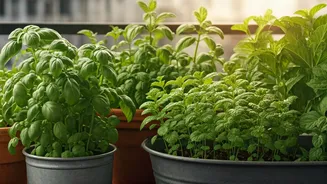
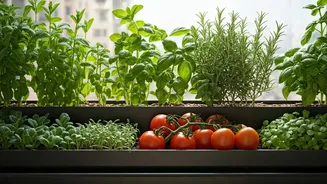
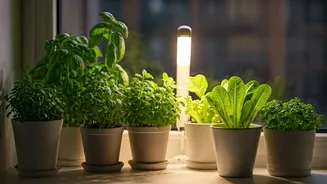
When we say 'kitchen garden,' don’t just picture a lonely basil plant gasping for sunlight on a windowsill. The modern urban garden is a curated, often ambitious, statement piece. It can be a series of raised beds on a tiny patio, a vertical wall of leafy
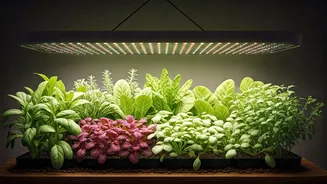
greens in a dining room, a network of self-watering planters on a balcony, or a high-tech hydroponic system glowing under purple LEDs on a kitchen counter. The common thread isn’t scale, but intention. This isn’t about survival; it’s about a conscious choice to cultivate, control, and display the source of your food. It’s an accessory for your home and your diet, one that requires patience, knowledge, and a little bit of space—all of which are luxuries in a dense urban environment.
The Pandemic’s Green Legacy
The seeds of this trend were planted long ago, but the pandemic acted as a powerful fertilizer. As grocery store shelves went bare and the fragility of our global supply chains was laid bare, a switch flipped for many. The vague desire for self-sufficiency became an urgent project. Sourdough starters were the gateway drug, but gardening offered a more lasting connection to tangible production. People who had never considered where their scallions came from were suddenly trying to regrow them in a glass of water. This initial wave of anxiety-driven gardening has since evolved. What started as a practical hedge against uncertainty has blossomed into a full-blown lifestyle choice, retaining its appeal long after the lockdowns ended.
An Edible Status Symbol
So, why is it a “flex”? Because a successful kitchen garden signals a wealth of modern-day resources. First, it implies you have space, the most precious urban commodity. Whether it’s a sun-drenched balcony or just enough countertop real estate for a smart garden, you have a corner of the city to call your own. Second, it signals you have time. Plants don't care about your deadlines; they require consistent attention. Nurturing seedlings and fending off aphids is a commitment. Finally, and most importantly, it broadcasts a set of values. It says you prioritize wellness, sustainability, and quality over convenience. You're the kind of person who cares about heirloom varieties and harvests your own mint for a cocktail, rejecting the mass-produced, plastic-wrapped version from the supermarket. It’s a performance of authenticity in a world of artifice.
The Instagrammable Harvest
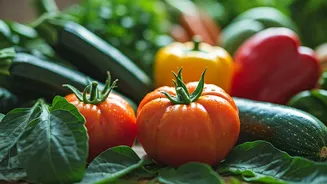
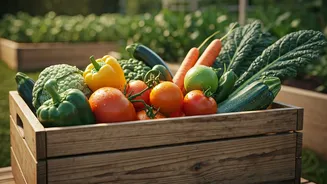
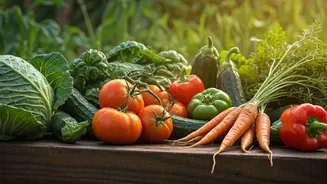
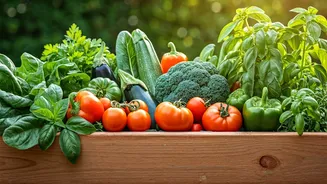
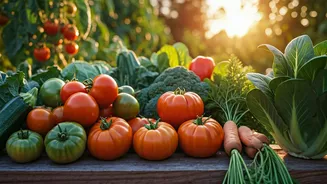
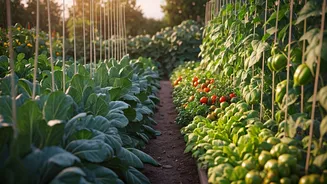
A flex isn’t a flex if no one sees it. The aesthetic element of the kitchen garden is crucial to its role as a status object. It’s no coincidence that this trend has flourished in the age of Instagram and Pinterest. The visual payoff is immense: the satisfying grid of a perfectly planted raised bed, the jewel-like colors of rainbow chard, the rustic beauty of a basket overflowing with lumpy, imperfectly perfect tomatoes. A photo of your homegrown salad isn’t just lunch; it's content. It’s a visually pleasing humblebrag that communicates your skills, your taste, and your wholesome lifestyle without a single word. Companies have cashed in, offering beautifully designed planters and sleek hydroponic units that look as good in an Architectural Digest spread as they do on a foodie’s social media feed.