


1. Take Stock of Your Balcony
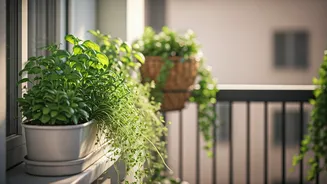
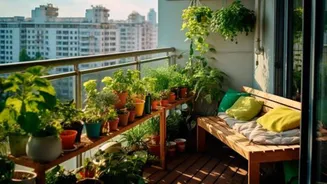
Before you touch a single plant, evaluate your space. Is your balcony covered or open to the sky? Which direction does it face? Uncovered balconies will bear the full brunt of downpours, while those facing west or south may get hit with the strongest
winds as storms roll in. Understanding your specific microclimate is the first step. This isn't just about survival; it's about knowing where your most vulnerable spots are. Take note of any lightweight furniture, decorative items, or hanging baskets that could become projectiles in a sudden gust. This initial assessment will inform every other step you take.
2. Prune for Wind Resistance
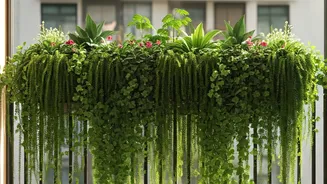
A lush, overgrown plant looks beautiful now, but it acts like a sail in high winds. Proactively trimming your plants is one of the most effective ways to protect them. Focus on thinning out dense foliage to allow wind to pass through rather than pushing the whole plant over. Remove any dead or weak branches that are likely to snap off anyway. For vining plants like bougainvillea or jasmine, ensure they are securely tied to their trellis or support structure. A good haircut now reduces the risk of windburn, broken stems, and the entire pot toppling over when the first big storm hits.
3. Secure Your Containers
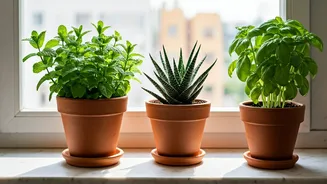
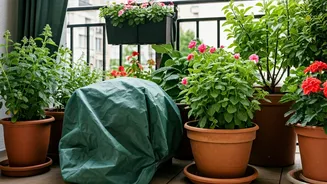
Lightweight plastic pots are a balcony gardener's best friend—until they’re not. A strong monsoon downdraft can easily send them flying. Now is the time to think about ballast and stability. If possible, switch to heavier ceramic, terracotta, or concrete pots for your most exposed plants. If that’s not an option, try placing plastic pots inside larger, heavier decorative containers. Another great strategy is to group pots together in a corner or against a wall. Huddling them close creates a combined weight and a lower center of gravity, making the entire collection more stable and less likely to be knocked over by a sudden gust.
4. Dial in Your Drainage
Monsoon rains are not gentle spring showers; they are intense, powerful deluges. A single storm can dump an inch of rain in under an hour, which is more than enough to drown a plant in a poorly draining pot. Check every container to make sure the drainage holes are clear of obstructions. If your pots are sitting directly on the balcony floor, elevate them with “pot feet” or simple blocks to allow water to escape freely. This prevents waterlogging and the dreaded root rot that can kill a plant long after the storm has passed. Also, make sure your potting mix isn't overly compacted, which can also hinder drainage.
5. Identify Your Movers and Shakers
Not all plants are created equal when it comes to weather tolerance. Your tough, native desert dwellers like agave or prickly pear can likely stay put and enjoy the show. However, your more delicate plants—ferns, succulents with fragile leaves, or tropical ornamentals—are not equipped for the wind and rain. Designate these as your “movers.” Before a storm is forecast, have a plan to bring them inside or move them to a deeply sheltered part of the balcony. Knowing which plants need to be moved ahead of time prevents a last-minute scramble when the sky turns dark.
6. Manage Your Water Runoff
While you’re checking your drainage, think about where the water goes. Empty the saucers under your pots before a storm. If they are full of water when the rain starts, your plants will be sitting in a swamp. After the storm, empty them again promptly. Standing water is not only bad for your plants but also creates a perfect breeding ground for mosquitoes—a notorious post-monsoon pest. A dry saucer is a simple but critical part of being a good plant parent and a considerate neighbor, especially in an apartment or condo complex.